Flowers
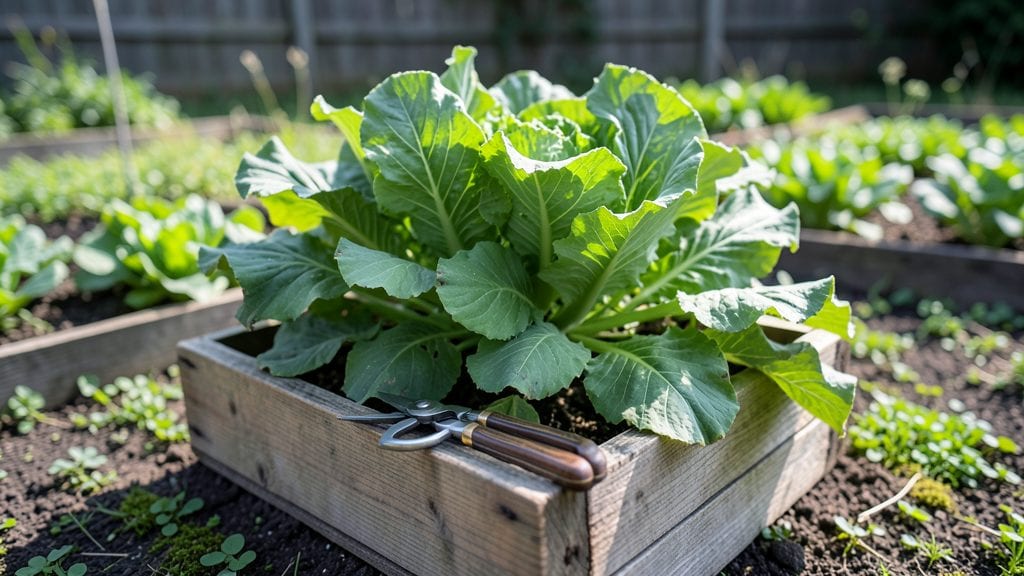
The meaning of victory gardens lies in their wartime origins as community vegetable plots that boosted food supplies, promoted self-reliance, and strengthened national pride during shortages. Today, they represent modern sustainability efforts and resilient gardening practices.
These gardens emerged during World Wars I and II when governments encouraged families to grow their own produce to ease food rationing and reduce strain on commercial agriculture. 🌱 The movement wasn't just practical—it became a symbol of civic duty, with millions of Americans cultivating over 40 million gardens by WWII, producing roughly 40% of the nation's fresh vegetables.
That historical legacy lives on today, where victory gardens inspire urban farming, food security initiatives, and even therapeutic gardening programs.
The modern interpretation keeps the core principles—growing food locally, reducing waste, and building community—but adapts to today's challenges. Whether you're working with a tiny balcony or a sprawling backyard, victory gardens now incorporate permaculture techniques, vertical farming, and drought-resistant crops to address climate change and food deserts.
The spirit remains the same: growing your own food fosters independence and connection, just like it did nearly a century ago.
💡 In This Article
- Origins and Purpose of Victory Gardens in World Wars
- Reviving Victory Gardens: Modern Techniques and Benefits
Origins and purpose of victory gardens in world wars
During World War I, the U.S. government launched the first organized victory garden campaign in 1918, encouraging families to grow vegetables to alleviate food shortages caused by wartime disruptions.
The movement gained even more momentum in World War II, when the National War Garden Commission partnered with schools, churches, and community groups to create over 20 million gardens across the country.
These gardens weren't just about growing food—they were a patriotic duty, with President Franklin D. Roosevelt calling them "food for freedom." 🌱
The impact was staggering: by 1943, victory gardens produced 40% of all fresh vegetables consumed in the U.S., freeing up commercial agriculture to focus on feeding troops overseas.
The average garden measured about 10 feet by 15 feet, yet collectively, they yielded 8 million tons of produce annually—equivalent to feeding 4 million people for a year.
The gardens also saved fuel by reducing the need for transportation, as families could grow what they needed locally instead of relying on long-distance shipping.
What made these gardens so effective was their adaptability. Urban dwellers grew vegetables in window boxes and rooftops, while rural families expanded their plots. The government provided free seeds, gardening guides, and even radio broadcasts with tips on soil preparation and pest control.
Schools taught children how to grow their own food, creating a generation that understood the value of self-sufficiency. This hands-on approach wasn't just practical—it was a psychological boost during a time of uncertainty. 💛
The gardens also played a role in food rationing. With meat, sugar, and other staples limited, families turned to vegetables like potatoes, carrots, and cabbage to stretch their meals. The Victory Garden Campaign even included recipes for "meatless Mondays" and "wheatless Wednesdays," encouraging creative cooking with garden-fresh ingredients.
The success of these efforts demonstrated how ordinary citizens could make extraordinary contributions to the war effort.
Beyond their practical benefits, victory gardens became symbols of community resilience. Neighbors shared tools, seeds, and knowledge, forming tight-knit networks that strengthened social bonds.
The gardens also served as a morale booster, offering a tangible way for people to contribute to the war effort, even if they weren't on the front lines. This sense of shared purpose is what kept the movement alive long after the wars ended. ✨
Today, the legacy of victory gardens lives on in modern urban farming and community gardens, where the principles of self-sufficiency and collective effort remain as relevant as ever.
The historical impact of these gardens—reducing food shortages, saving resources, and fostering community—proves that even small plots of land can make a big difference. 🌟