Vegetables
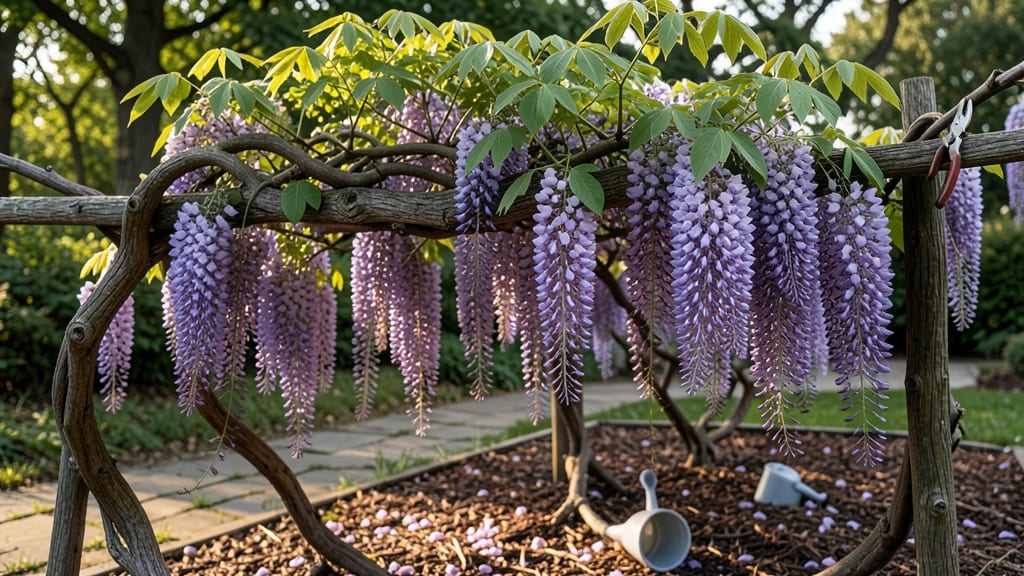
Longwood Gardens’ wisteria is the kind of plant that makes neighbors stop and stare—those vibrant purple cascades draping over trellises and pergolas like liquid silk. 🌿 I’ve spent years studying how to weave it into garden designs, and the secret isn’t just in the planting—it’s in how you frame it against other textures and colors.
The way it spills over stone walls or arches over patios transforms even a small yard into a showstopper.
What makes wisteria so special in design isn’t just the blooms—it’s the season-long drama. Early spring brings fragrant clusters, summer offers lush green foliage, and fall delivers golden hues before winter’s bare branches create striking silhouettes.
At Longwood, they use it to anchor focal points, like pairing it with boxwoods or letting it climb alongside roses for layered interest. The key? Give it space to grow—these vines can stretch 15 to 25 feet in a single season.
You’ll want to plant it near a sturdy trellis, arbor, or even a sturdy fence where it can climb and cascade freely. Prune in late winter to shape it and encourage dense blooms, and watch as it becomes the centerpiece of your garden’s vertical story.
The fragrance alone—sweet, intoxicating—will draw people in like a magnet. Here’s how to make it work in your space without the headaches.
Works best in zones 5 through 9, where winters aren’t brutal enough to kill the canes but summers are warm enough for vigorous growth. If you’re in a hotter climate, choose varieties like ‘Amethyst Falls’ for heat tolerance.
The payoff? A garden that doesn’t just look beautiful but feels like a living, breathing work of art—year after year.
📚 In This Guide
- What you need
- Instructions
- Tips and common mistakes
- Wrapping up and next steps
What you need
- ● Wisteria plants: Choose between Wisteria sinensis (Chinese) or Wisteria floribunda (Japanese). Buy from a reputable nursery (1–3 mature plants for optimal growth).
- ● Support structure: Arbor, pergola, or trellis (minimum 8–10 feet tall for climbing).
- ● Strong stakes or cables (if training against walls or fences).
- ● Well-draining soil: Mix in compost and sand (ratio: 60% soil, 30% compost, 10% sand) for optimal aeration.
- ● Mulch: Organic mulch (wood chips or straw) to retain moisture and regulate temperature.
- ● Pruning tools: Bypass pruners (for clean cuts).
- ● Loppers (for thicker branches).
- ● Saw (for large stems, if needed).
- ● Gloves & safety gear: Heavy-duty gardening gloves (wisteria thorns are sharp!).
- ● Watering system: Drip irrigation or hose with a soaker nozzle (wisteria needs deep, consistent watering).
- ● pH test kit: Ideal soil pH: 6.0–7.0 (adjust with lime or sulfur if needed).
- ● Fertilizer: Balanced 10-10-10 or low-phosphorus fertilizer (spring/fall).
- ● Epsom salt: 1 tbsp per gallon of water (monthly, for magnesium boost).
- ● Frost cloth: Protect young plants in USDA Zones 5–7 during early spring/fall.
- ● Trellis netting: For guiding vines during early growth.
How to cultivate wisteria like Longwood Gardens’ showstopping purple cascades
Here’s the proven approach for training wisteria into dramatic, season-long displays—just like Longwood Gardens’ famous purple waterfalls.
🌱 Step 1: Choose the Right Variety and Planting Site
Wisteria thrives in full sun to partial shade with at least 6 hours of direct sunlight daily. Longwood Gardens’ purple varieties like Wisteria sinensis or Wisteria floribunda need a sturdy structure—think arbors, pergolas, or trellises—to support their heavy vines. Plant in well-draining soil with a pH between 6.0 and 7.0 for optimal growth.
Dig a hole twice as wide as the root ball and mix in 2-3 inches of compost to enrich the soil. Avoid planting too deep—the root flare (where roots meet the trunk) should sit just above ground level. This prevents rot and encourages strong root development.
☀️ Step 2: Train Vines for Maximum Dramatic Effect
Wisteria grows aggressively, so pruning early sets the stage for Longwood Gardens’ iconic cascades. In late winter or early spring, cut back last year’s growth by one-third to encourage new, vigorous shoots. This is when the plant’s energy shifts from maintenance to flowering.
Guide the main stems along the trellis or arbor, securing them with soft ties every 12-18 inches to prevent wind damage. Let side branches drape naturally—this creates the lush, flowing look. By summer, you’ll see tendrils (thin, curly growths) forming; these are your plant’s way of anchoring itself. Leave them intact for a denser, fuller display.
💧 Step 3: Water and Fertilize for Lush, Blooming Growth
Young wisteria needs 1-2 inches of water weekly, especially during the first two growing seasons. Water deeply at the base to encourage deep root growth, and avoid wetting the foliage to prevent fungal diseases. Mulch with 2-3 inches of organic mulch (like wood chips) to retain moisture and regulate soil temperature.
Fertilize in early spring with a balanced, slow-release fertilizer (10-10-10 ratio) to support blooming. Apply it 6 inches away from the trunk to avoid burning the roots. Stop fertilizing by mid-summer to let the plant focus on flowering rather than foliage growth.
✂️ Step 4: Prune for Health and Spectacular Blooms
Pruning isn’t just about shaping—it’s about encouraging those showstopping purple blooms. In late winter, before buds swell, cut back dead or crossing branches to improve airflow. Then, trim last year’s growth to 3-5 buds from the base of each stem. This ensures energy goes to new growth and flowers.
After flowering, remove any seed pods to redirect the plant’s energy into next year’s blooms. You’ll know you’ve done it right when you see dense clusters of flowers forming along the new growth in spring. Longwood Gardens’ wisteria looks so full because they prune ruthlessly—don’t be shy with your shears!
🪴 Step 5: Protect and Maintain for Long-Term Beauty
Wisteria is hardy but benefits from a little winter care. In colder climates, wrap the base of young plants with burlap or frost cloth to protect against late frosts. Once established, wisteria handles winter well, but older vines may need occasional support to prevent sagging under snow.
Monitor for pests like aphids or spider mites—wisteria is a magnet for them. Spray with neem oil or insecticidal soap at the first sign of trouble. With consistent care, your wisteria will mature into a Longwood Gardens-worthy spectacle, bursting with purple blooms from late spring to early summer.
Tips & tricks for cultivating stunning wisteria cascades
Transforming your garden into a Longwood Gardens-style wisteria paradise takes patience and precision. Here are the key strategies that'll make all the difference in achieving those breathtaking purple waterfalls.
Soil Preparation Secret: Before planting, test your soil's pH and amend it to that 6.0-7.0 range if needed. I use a simple DIY test kit and adjust with lime to raise pH or sulfur to lower it. The right pH prevents nutrient deficiencies that can stunt growth and reduce flowering. Also, make sure to dig that hole twice as wide as the root ball—this encourages roots to spread outward rather than circling, which is a common problem with container-grown wisteria.
Pruning Timing Matters: That one-third cut back in Step 2 should happen when buds are still dormant but starting to swell—usually in late February or early March. I mark my calendar because timing is everything. Cutting too early means you're removing potential blooming stems, while waiting too long risks damaging new growth. After the initial prune, always cut at a 45-degree angle just above a bud to encourage outward growth rather than inward.
Watering Wisdom: The 1-2 inches weekly recommendation is perfect for most climates, but adjust in extreme heat. I check soil moisture by sticking my finger about 2 inches deep—if it's dry, that's when to water. The key is deep watering at the base rather than light sprinkles, which encourages deep root development. And remember, those 2-3 inches of organic mulch are non-negotiable—they regulate temperature and retain moisture better than anything else.
Fertilizer Strategy: When applying that 10-10-10 fertilizer 6 inches from the trunk, I make it a habit to water thoroughly before and after. This prevents root burn from the concentrated nutrients. Also, consider using a slow-release granular fertilizer rather than liquid—it's less likely to cause over-fertilization, which can lead to excessive foliage at the expense of flowers. The goal is blooms, not leaves!
Pro Tips for Longwood Gardens Wisteria
- Transforming your garden into a Longwood Gardens-style wisteria paradise takes patience and precision. Here are the k...
- Soil Preparation Secret: Before planting, test your soil's pH and amend it to that 6.0-7.0 range if needed. I use a s...
- Pruning Timing Matters: That one-third cut back in Step 2 should happen when buds are still dormant but starting to s...
Frequently asked questions
Got questions about Longwood Gardens’ stunning wisteria? You’re not alone! Here are answers to the most common inquiries about these breathtaking purple cascades—from blooming times to care tips.
When is the best time to visit Longwood Gardens for peak wisteria?
The wisteria at Longwood Gardens typically blooms in late April through early May, with some late-season varieties extending into June. For the full spectacle, plan your visit around May when the vines are in full, fragrant bloom. Check the official calendar for exact dates, as weather can influence timing.
Can I buy wisteria plants or cuttings from Longwood Gardens?
Longwood Gardens does not sell wisteria plants directly to the public, but they occasionally offer grafted wisteria trees or related botanical gifts during special events (like their annual Plant Sale). For cuttings or mature plants, try local nurseries specializing in woody perennials or online sellers like Monticello’s Shop or Wayne’s Word.
Why isn’t my wisteria blooming like the ones at Longwood?
Wisteria blooms require patience and proper care. Common reasons for sparse flowers include:
- Young age: Most wisteria take 3–7 years to bloom after planting.
- Insufficient sunlight: They need 6+ hours of direct sun daily.
- Pruning mistakes: Over-pruning or cutting back blooms removes next year’s buds.
- Poor soil/nutrients: Amend soil with phosphorus-rich fertilizer (like 10-20-10) in early spring.
For inspiration, observe Longwood’s support structures and trellises—they encourage upward growth and airflow, key for healthy blooms!
Are there wisteria alternatives with less maintenance?
If wisteria’s vigorous growth or aggressive vines seem daunting, consider these lower-maintenance climbing plants with similar beauty:
- Clematis: Blooms in spring/summer, thrives in partial shade, and offers hundreds of varieties.
- Jasmine (Trachelospermum jasminoides): Fragrant white flowers, drought-tolerant, and stays compact.
- Honeysuckle (Lonicera): Fast-growing, attracts pollinators, and blooms repeatedly.
- Climbing Roses: Classic choice with season-long color and easier pruning.
For a Longwood-inspired look without the upkeep, pair these with ornamental grates or arbors.
What’s the best way to photograph the wisteria at Longwood Gardens?
To capture Longwood’s wisteria like a pro:
- Visit on a cloudy morning (soft light enhances colors).
- Use a wide-angle lens (16–35mm) to showcase the cascading vines.
- Include architectural elements (bridges, fountains) for scale.
- Shoot early in the season when buds are tight for a textured, dramatic effect.
Pro tip: Edit photos in black-and-white to highlight the wisteria’s organic shapes against the gardens’ greenery.
Wrapping up and next steps
Longwood Gardens’ wisteria isn’t just a sight to behold—it’s a masterclass in season-long beauty and thoughtful gardening. Whether you’re inspired to grow your own cascades or simply want to plan your next visit, the key is patience, preparation, and passion. 🌸
Ready to dive in? Start by sketching your dream wisteria trellis or marking your calendar for Longwood’s bloom season. Every purple petal is a reminder that great things take time—so get growing (or dreaming) today!