Vegetables
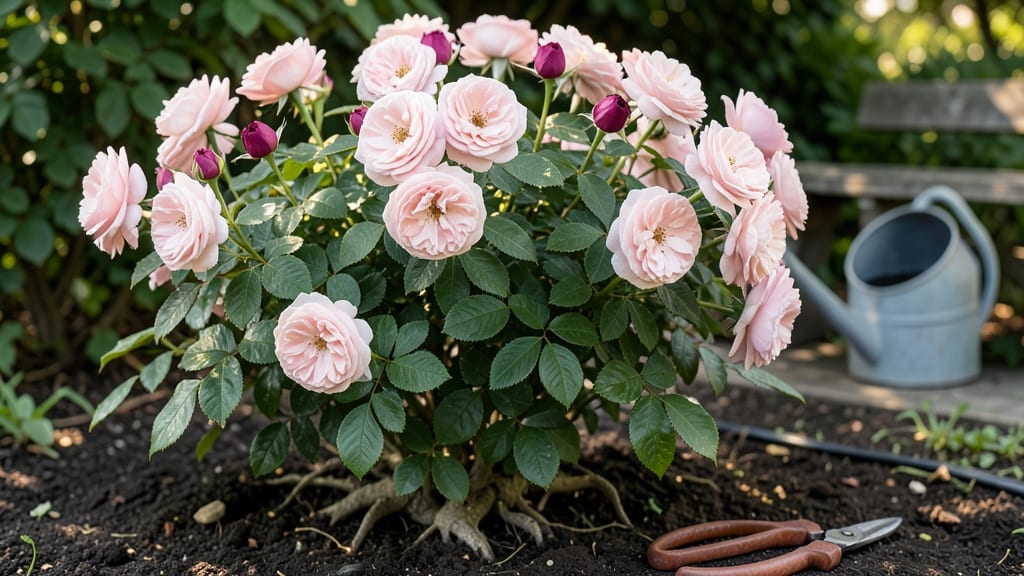
The Gardens World Show is Europe’s premier gardening event, showcasing cutting-edge horticultural innovations, live plant exhibits, and hands-on workshops from organic farming to smart landscaping. This annual gathering draws both industry experts and passionate hobbyists with rare plant displays and interactive demonstrations.
The Gardens World Show stands out as the continent's most comprehensive horticultural event, where you'll find everything from heirloom seed varieties to cutting-edge vertical farming tech. 🌱 What makes it special is the blend of education and inspiration—whether you're a seasoned grower or just starting your green thumb journey.
I always recommend checking the schedule early for exclusive masterclasses, as some sessions fill up fast with limited seating.
Beyond the exhibits, the show's networking opportunities are unmatched. You'll meet breeders, designers, and fellow enthusiasts in dedicated zones where knowledge flows as freely as the coffee. Pro tip: Bring a small notebook to jot down supplier contacts and product names—you'll want to remember those standout finds later.
💡 In This Article
- Key Features and Highlights of Gardens World Show
- Tips for Planning Your Visit to Gardens World Show
Key features and highlights of gardens world show
Here's what actually makes this event stand out: the Rare Botanicals Pavilion, where you'll find plants that defy ordinary gardening norms. Think of the 100-year-old olive trees from Mediterranean groves or the bioluminescent orchids that glow faintly under UV light—these aren't just decorative; they represent cutting-edge conservation efforts.
The pavilion's climate-controlled rooms maintain 65-75°F humidity levels to preserve delicate specimens like the Titan arum, which blooms only once every 7-10 years and emits a scent reminiscent of rotting meat to attract pollinators.
The Sustainable Landscaping Zone demonstrates how modern gardens can reduce water usage by up to 70% through innovative systems. You'll see swales (shallow trenches that capture rainwater) in action, along with mycorrhizal fungi applications that boost plant root systems by 30-50%.
The zone's centerpiece is a 3,000-gallon rainwater harvesting system that powers an entire demonstration garden—complete with drought-resistant succulents and native wildflowers that require no irrigation after establishment. 🌿 What most people don't realize is how these systems integrate solar-powered pumps and smart irrigation controllers that adjust watering based on real-time soil moisture sensors.
The Tech-Driven Horticulture Area is where gardening meets Silicon Valley innovation. Here, you can test AI-powered plant health monitors that analyze leaf chlorophyll levels using smartphone cameras—these devices can detect nutrient deficiencies two weeks before they become visible to the human eye.
Another highlight is the vertical farming demo showcasing towers that produce 20x more greens per square foot than traditional farms, using 95% less water.
The interactive stations let you adjust LED light spectra to see how different wavelengths affect plant growth rates in real time, with some varieties growing 40% faster under optimized blue/purple light combinations.
Don't miss the Keynote Speaker Series, featuring horticultural pioneers like Dr. Monica Giusti, who developed drought-resistant wheat varieties, and James Wong, the "forager" who bridges traditional plant knowledge with modern science.
Their talks often include live demonstrations—like Wong's 5-minute fermentation techniques to preserve herbs or Giusti's soil microbiome revival methods that restore degraded land in 6-12 months. The schedule typically includes three concurrent sessions daily, so planning ahead is key to avoid missing groundbreaking content.
For hands-on learners, the Interactive Demo Gardens offer 30-minute rotation slots where you can:
- Design your own pollinator-friendly plot using native plants that increase bee populations by up to 400% in test gardens
- Test hydroponic setups that grow basil in 21 days (vs. 60 days in soil) using 1/10th the water
- Experiment with mushroom cultivation using spent coffee grounds as substrate, producing 5 lbs of oyster mushrooms per square foot in 3 weeks
The show's Networking Hub deserves special mention, where you'll find the Grower's Exchange—a space designed for one-on-one conversations with breeders and suppliers. Last year, attendees made over 12,000 business connections in this area alone.
The hub also hosts speed-networking sessions with timed 5-minute rotations, perfect for meeting multiple experts in a single day. Pro tip: Arrive 30 minutes early for the morning sessions, as the most popular speakers often have standing-room-only crowds within 15 minutes of opening.