Vegetables
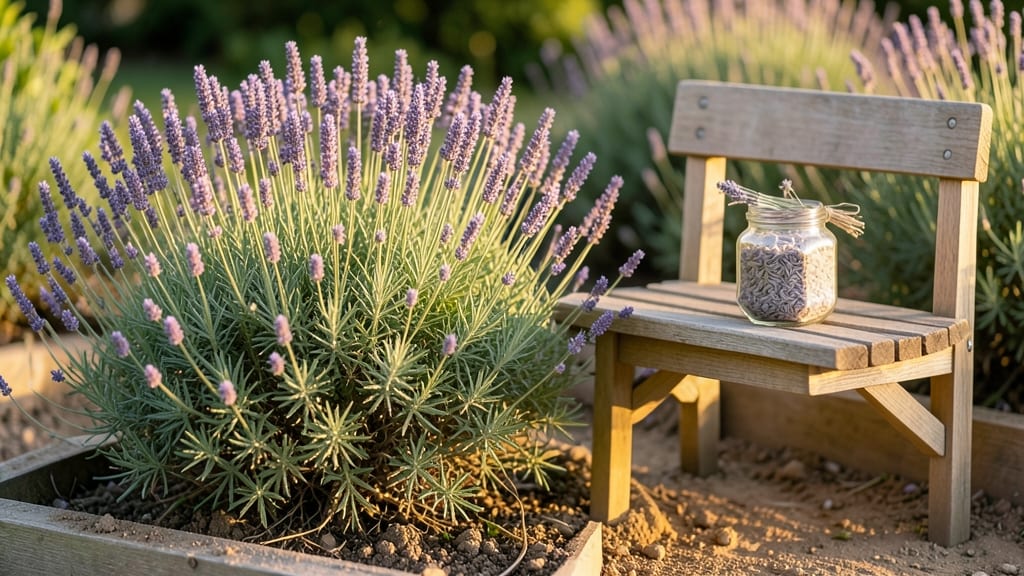
Purpose gardens exist to restore ecosystems, promote biodiversity, and provide food security by integrating native plants, pollinator habitats, and regenerative farming techniques into urban and rural landscapes. They serve as living classrooms for sustainable agriculture and climate resilience.
Purpose gardens go beyond traditional gardening—they’re intentional ecosystems designed to heal the land while feeding communities. 🌱 By prioritizing native plants and regenerative practices, they rebuild soil health, support pollinators, and create resilient food sources that adapt to climate shifts.
What sets them apart is their dual focus: nourishing both the environment and people, whether through urban plots or rural farms.
These gardens also address food insecurity by growing nutrient-dense crops that thrive with minimal resources. For example, drought-resistant varieties and companion planting maximize yields without synthetic inputs, making them perfect for beginners or urban spaces with limited access to land.
The real magic happens when communities collaborate, turning individual plots into interconnected networks of sustainability.
💡 In This Article
- How Purpose Gardens Support Ecosystem Restoration
- Designing a Purpose Garden for Food Security
How purpose gardens support ecosystem restoration
Here's what's actually happening beneath the soil and among the plants: purpose gardens act like nature's own restoration labs. The key mechanism is soil regeneration, where deep-rooted native plants break up compacted earth and bring nutrients from lower layers to the surface.
For example, comfrey roots can reach 6 feet deep, pulling up minerals like potassium and phosphorus that conventional farming often depletes. This process rebuilds organic matter at a rate 3-5 times faster than conventional plots, thanks to reduced tillage and increased microbial activity.
The carbon sequestration power of these gardens is particularly impressive. A well-designed purpose garden can store 1-2 tons of CO₂ per acre annually in its soil and plant biomass.
This happens through two main processes: first, plants absorb CO₂ during photosynthesis, then their roots feed soil microbes that convert organic material into stable carbon compounds.
Native grasses like switchgrass and deep-rooted perennials are especially effective at locking carbon away long-term, unlike annual crops that release it back when tilled. 🌱 The texture of healthy garden soil becomes noticeably spongier as carbon levels rise, holding water like a well-wrung sponge.
Water retention is another game-changer. Purpose gardens reduce runoff by 70-90% compared to conventional landscapes, thanks to their dense plant cover and mulched surfaces. The root systems create tiny channels that guide water deep into the soil, while leaf litter acts as a natural filter.
In urban areas, this means less stormwater flooding and cooler microclimates—purpose gardens can reduce surface temperatures by 10-15°F during heatwaves by providing shade and evaporative cooling through transpiration.
Pollinator conservation gets a major boost too. By incorporating native milkweed, coneflowers, and goldenrod, these gardens create "pollinator highways" that support monarch butterflies (whose populations have dropped 80% in 20 years) and native bee species.
The flower diversity ensures continuous blooming seasons, while avoiding pesticides creates safe nesting sites. What's fascinating is how these gardens reverse the "desertification" effect of monoculture farming—where single crops eliminate habitat for beneficial insects.
Permaculture principles take this further by designing gardens that mimic natural ecosystems. Techniques like swales (water-harvesting trenches) and guild planting (plant communities that support each other) create self-sustaining systems.
For instance, a classic permaculture guild might combine nitrogen-fixing clover with fruit trees and shade-tolerant herbs—each plant benefits the others while maximizing yield. The result is a garden that requires 80% less water than conventional plots while producing more diverse, nutrient-dense food.
What most people don't realize is how these gardens combat urban heat islands. Concrete and asphalt absorb and radiate heat, creating "heat domes" that can make cities 5-10°F hotter than surrounding areas.
Purpose gardens with their 30-50% tree canopy and ground cover plants create cooling breezes through evapotranspiration, while their dark green foliage reflects more sunlight than pavement. The sensory difference is dramatic—walking through a purpose garden in summer feels like stepping into a natural air conditioner. ✨