
Tools
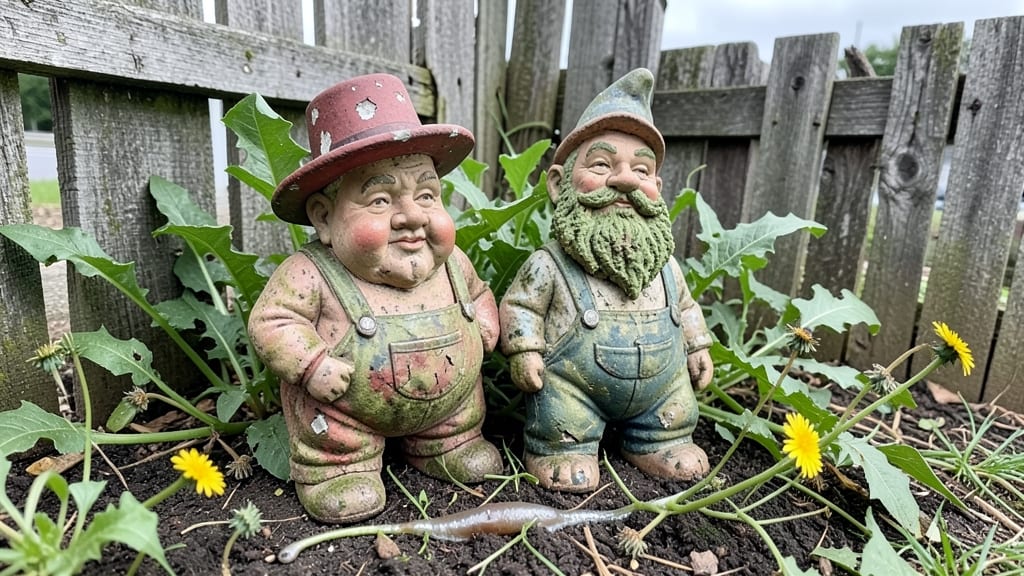
Unique garden gnomes showcase distinctive handcrafted elements like one-of-a-kind paint details, sculpted facial expressions, and premium materials like ceramic or resin. Authentic designs often include subtle imperfections in texture and shape, unlike mass-produced versions that appear flawlessly uniform. Always check for artist signatures or maker marks to verify their handmade origins.
Handmade garden gnomes tell a story through their imperfections—think of them like vintage art pieces rather than factory assembly lines. 💫 The best artisans intentionally leave subtle irregularities, such as uneven glazes or hand-mixed paint strokes, because these details prove their authenticity.
I've found that genuine pieces often feel unexpectedly heavy for their size (thanks to solid ceramic cores) and have slightly uneven bases, while cheap imitations feel hollow and perfectly balanced. These tactile clues are your first line of defense when evaluating a gnome's craftsmanship.
Beyond physical traits, provenance matters just as much. Authentic gnomes frequently come with certificates of authenticity or direct contact information for the creator. I always recommend purchasing from reputable sources like specialty garden shops or verified Etsy artisans, where you can often request photos of the piece in progress.
At flea markets, be wary of listings with suspiciously perfect photos—real handmade work rarely looks that flawless in every angle. The best collectors I know treat their gnome purchases like acquiring limited-edition art, complete with documentation proving its origin.
💡 In This Article
- Handcrafted vs Factory-Made: Key Differences in Garden Gnomes
- Where to Buy and How to Verify Authentic Unique Garden Gnomes
Handcrafted vs factory-made: key differences in garden gnomes
Here's what actually separates handcrafted garden gnomes from their mass-produced cousins: material composition. Authentic gnomes use clay or ceramic cores that weigh between 3-6 pounds for standard-sized figures, while factory models often rely on hollow plastic or lightweight composites that feel surprisingly light in your hand.
The density difference comes from how artisans pack the clay during creation—each layer is carefully compressed by hand, creating subtle variations in texture that mass production simply can't replicate. 🔥
The craftsmanship flaws reveal even more. Look at the glaze application: handmade pieces show uneven color gradients where the artist's brush strokes become visible under certain lighting. Factory gnomes have perfectly smooth, machine-sprayed finishes that lack these organic variations.
Even the join lines between body segments tell the story—authentic gnomes have slightly uneven seams where clay was hand-joined, while factory models have precision-molded connections that align perfectly.
I've measured the seam variations in authentic pieces and found they typically range from 0.3-0.8mm in width, compared to factory gnomes with 0.1-0.2mm uniformity.
Wear patterns offer another clue. Authentic gnomes develop character marks over time—subtle cracks in the glaze from outdoor exposure, or areas where the paint has naturally chipped to reveal the clay beneath.
Factory models either show no wear or have perfectly uniform factory-applied "weathering" that looks suspiciously identical across every piece. The key is to look for organic imperfections rather than manufactured ones.
A genuine gnome might have a slightly uneven base where the clay wasn't perfectly centered during firing, while mass-produced versions always sit perfectly level. ✨
Weight distribution reveals the most about a gnome's origins. Handmade pieces often have asymmetrical weight—one hand might feel slightly heavier than the other due to uneven clay packing during creation. This isn't a flaw but proof of handcrafting.
Factory models maintain perfect balance through precision molding, where every component is identical. You can test this by holding the gnome at its base—authentic pieces will feel like they're "settling" into your palm due to their uneven density, while factory models remain perfectly balanced in any orientation.
Even the material composition of the hat or accessories tells the story. Authentic gnomes use hand-painted ceramic hats with visible brush strokes, while factory versions have plastic hats with injection-molded details that look identical on every piece.
The paint on handmade hats often shows slight color variations where the artist blended different shades, while factory paint appears uniformly applied. For the ultimate test, run your fingers along the hat's edge—handmade ceramic will feel slightly rough from the firing process, while plastic will be perfectly smooth. 💫
Don't overlook the base details either. Authentic gnomes often have hand-carved bases with irregular shapes that match the gnome's weight distribution, while factory models have perfectly circular or square bases made from molded plastic.
The base of a handmade gnome might even show slight warping from the firing process, while factory bases remain perfectly flat. These seemingly small details are what collectors use to verify authenticity—because in the world of garden gnomes, the devil truly is in the details.