
Companion Plants
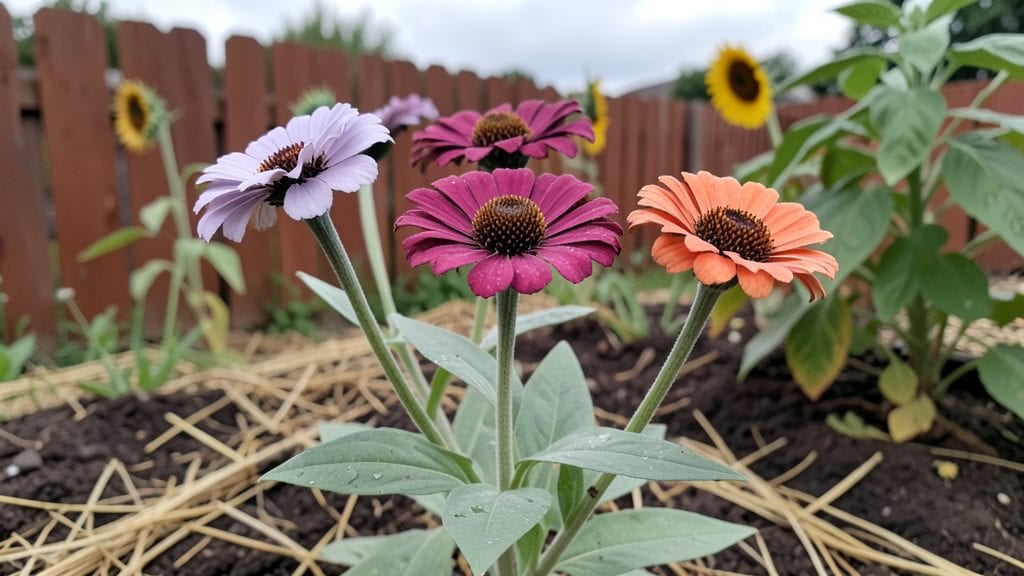
Annual garden plants are the quickest way to turn a blank space into a buzzing pollinator paradise. 🌻 I’ll never forget the first time I planted zinnias—within weeks, bees and butterflies transformed my yard from boring to breathtaking. These plants don’t just add color; they create ecosystems where life thrives.
The magic starts with the right mix of sun, soil, and water. Most annuals crave full sun (6+ hours daily) and well-draining soil, but even shade-tolerant varieties like impatiens can shine with the right care. A balanced fertilizer at planting and monthly feedings keeps blooms coming nonstop—no fancy tricks required.
You’ll end up with gardens that stay vibrant all season, attract hummingbirds at dawn, and resist pests better than bare soil ever could. The key? Deadheading spent blooms and rotating varieties yearly to keep diseases at bay. Trust me, your neighbors will be asking for cuttings by summer’s end.
Works for containers, borders, or even urban balconies—just match the plant to the space. Let’s get those seeds in the ground and watch the magic unfold!
📚 In This Guide
- What you need
- Instructions
- Tips and common mistakes
- Wrapping up and next steps
What you need
- ● Annual Pollinator Plants: 5–10 Zinnias (e.g., 'Benary’s Giant' or 'Profusion' series)
- ● 3–5 Sunflowers (e.g., 'Moulin Rouge' or 'Autumn Beauty')
- ● 2–3 Cosmos (e.g., 'Bright Lights' or 'Sensation Mix')
- ● 1–2 Marigolds (e.g., 'French Marigold' or 'African Marigold')
- ● 1 Lantana (e.g., 'Bandana Cherry' for vibrant colors)
- ● Soil Prep: 1–2 bags compost (per 10 sq ft of garden bed)
- ● 1 lb balanced fertilizer (10-10-10 or organic option)
- ○ Optional: Slow-release granules (e.g., Osmocote) for long-term nutrition
- ● Planting Supplies: Garden gloves (1 pair)
- ● Hand trowel or transplanting spade
- ● Watering can or hose with adjustable nozzle
- ● Mulch (e.g., shredded bark or straw, 2–3 inches)
- ● Pollinator-friendly seed packets (e.g., borage, alyssum, or cleome for extra diversity)
- ● Stakes or cages (for tall sunflowers or zinnias)
- ● Birdbath or shallow dish (for water sources)
- ● Pest control: Neem oil or companion plants (e.g., basil to deter pests)
How to plan a pollinator-friendly annual garden
Here's my go-to approach for designing a vibrant, bee- and butterfly-loving garden that thrives all season.
🌱 Step 1: Choose a Diverse Color Palette of Annuals
Select 4-6 different annual varieties that bloom sequentially from early spring to fall. I always include at least 3 colors—purples like lobelia, whites like sweet alyssum, and bright yellows like black-eyed Susan to attract different pollinators. The key is variety: bees prefer blue and purple, while butterflies are drawn to pinks and reds like zinnia or cosmos. Mix heights too—tall sunflowers at the back, medium salvias in the middle, and low marigolds at the front.
Check bloom times on seed packets to ensure continuous color. For example, pansies bloom early, impatiens take over mid-season, and cleome finishes strong in fall. This ensures pollinators always have fresh nectar. I avoid single-species plantings—they create "nectar deserts" when one variety finishes blooming.
☀️ Step 2: Site for Maximum Sun and Shelter
Annuals need at least 6 hours of sunlight daily, but most pollinator favorites thrive with full sun (8+ hours). Scout your garden in late afternoon when shadows are longest—mark areas that get direct sun for 6+ hours. I prioritize south- or west-facing spots first, as they receive the most heat and light.
Add partial shade options like coleus or begonias near structures or trees where light filters through. Avoid windy areas—pollinators like butterflies and hummingbirds need calm landing zones. If your space is exposed, plant tall grasses or shrubs as windbreaks around the perimeter to create a protected haven.
💧 Step 3: Prepare Soil and Plant for Pollinator Success
Loosen the top 6 inches of soil with a garden fork to improve drainage—pollinators prefer plants with healthy, vigorous growth, and compacted soil stunts them. Amend with 2-3 inches of compost (work it into the top layer) to boost nutrients. I avoid chemical fertilizers—they can reduce nectar quality, which is what pollinators seek.
Plant in clusters of 3-5 rather than single stems. This mimics natural wildflower meadows and makes it easier for bees to navigate. Space taller varieties 18-24 inches apart and shorter ones 12 inches apart. Water deeply once a week (or daily in extreme heat) to establish roots, but avoid wetting foliage—this prevents fungal diseases that can stress plants and reduce blooms.
✂️ Step 4: Maintain Blooms and Encourage Visitors
Deadhead spent blooms weekly to encourage continuous flowering. I pinch off faded flowers with my fingers—no need for pruners—while inspecting for pests. Remove only the wilted blossoms, leaving the foliage intact. This trick works especially well with zinnias and cosmos, which reward prolific reblooming.
Leave some seed heads on a few plants in late summer/fall. Finches and other birds will appreciate the extra food source, and next year’s garden will get a head start from self-seeding varieties like lupine or poppies. Avoid pesticides entirely—neonicotinoids and other chemicals harm pollinators. Instead, blast problem pests with soapy water or introduce ladybugs for aphid control.
🪴 Step 5: Add Water and Habitat Features
Place a shallow birdbath or saucer filled with pebbles and water near your annuals. Pollinators need water too—bees drink from damp soil, and butterflies sip from puddles. Refresh the water every 2-3 days to prevent mosquito breeding. I add a few flat stones to create safe landing spots for smaller insects.
Include a few native perennials if possible—even if they’re not annuals, their deep roots provide stability to your pollinator garden. Add a small brush pile or log section in a corner for overwintering insects. This simple addition turns your annual garden into a year-round ecosystem, not just a seasonal splash of color.
Tips & tricks for perfect pollinator gardens
Here's what I've learned from years of watching pollinators thrive in my own garden—these small details make all the difference.
Color and Height Strategy: In Step 1, when arranging your color palette, I always add a fourth color—bright orange like calendula or red like beebalm—to attract hummingbirds. The key is vertical layers: place your tallest varieties (sunflowers, cleome) at the back, medium heights (salvias, zinnias) in the middle, and low growers (marigolds, lobelia) at the front. This creates a natural landing progression for pollinators to follow as they move through your garden.
Sunlight Secret: For Step 2, don't just measure sunlight—observe it. Use a garden stake or flag to mark your sunniest spots in late afternoon when shadows are longest. I've found that west-facing areas get the most intense afternoon sun, perfect for heat-loving pollinator favorites like cosmos and lantana. If you're working with partial shade, choose coleus or impatiens—they tolerate lower light better than most annuals.
Soil Prep Hack: When preparing your soil in Step 3, I go the extra step of mixing in a handful of wood ash (from untreated wood) into the compost. This raises the pH slightly, which benefits many pollinator plants. The 6-inch deep loosening is crucial—compacted soil makes plants struggle, and struggling plants produce less nectar. I use a garden fork to break up the soil without turning it, which preserves beneficial soil organisms.
Maintenance Mindset: The weekly deadheading in Step 4 is where most gardeners give up—but here's the thing: set a reminder on your phone for every Sunday morning. It takes me 10 minutes to walk through my garden and pinch off spent blooms. This simple habit keeps your plants flowering continuously. I also keep a small spray bottle of soapy water (1 tsp dish soap per gallon of water) handy for quick pest control—it's gentle enough for pollinators but effective against aphids.
Pro Tips for Annual Garden Plants
- Here's what I've learned from years of watching pollinators thrive in my own garden—these small details make all the difference.
- Color and Height Strategy: In Step 1, when arranging your color palette, I always add a fourth color—bright orange like calendula or red like beebalm—to attract hummingbirds.
- Sunlight Secret: For Step 2, don't just measure sunlight—observe it.
Frequently asked questions
Got questions about annual garden plants?
You’re not alone! Whether you're a beginner or a seasoned gardener, these pollinator-powered blooms can spark curiosity. Here are answers to the most common queries to help you grow with confidence.
What’s the best time to plant annual garden plants?
Timing depends on your climate! In most regions, sow seeds 4–6 weeks before the last frost for cool-season annuals (like snapdragons or pansies). Warm-season varieties (e.g., marigolds or zinnias) thrive when soil temps hit 60°F+. Check your local frost dates for precision—extension offices are a great resource!
Which annuals attract the most pollinators?
Top picks for bees, butterflies, and hummingbirds include coneflowers, bee balm, cosmos, and lavender. For extra buzz, pair them with native wildflowers like milkweed (monarch magnets!). Aim for a mix of colors and bloom times to keep pollinators visiting all season.
How often should I water annual plants?
Consistency is key! Water deeply 2–3 times per week (or daily in extreme heat) to encourage strong roots. Mulch helps retain moisture—just avoid piling it against stems. Early morning watering prevents fungal issues, and drip irrigation saves time (and water!).
Can I grow annuals in containers or small spaces?
Compact varieties like bachelor’s buttons, nasturtiums, or dwarf sunflowers thrive in pots. Use well-draining soil and containers with drainage holes. For balconies, try vertical gardens with trailing plants like sweet peas. Just ensure they get 6+ hours of sunlight daily.
Why are my annuals wilting or dying?
Common culprits: underwatering, overwatering, pests, or disease. Check soil moisture (stick your finger in—top inch should be dry). Inspect leaves for chewed edges (caterpillars) or powdery spots (fungus). Adjust care or treat with neem oil if needed. Deadheading spent blooms also boosts longevity!
Still stumped? Tag us in your garden pics—we’d love to help troubleshoot!
Wrapping up and next steps
Annual garden plants are a game-changer for pollinators and biodiversity—packing vibrant blooms, easy care, and year-round impact in just one season! 🌸 From sun-loving zinnias to shade-tolerant impatiens, these plants create a thriving ecosystem while keeping your garden lively and low-maintenance.
Whether you're a beginner or a seasoned gardener, every patch of color counts—so grab those seeds and start planting!
Ready to take the next step? Plan your pollinator-friendly plot today!
- Sketch a simple layout with sun/shade zones in mind.
- Pick 3-5 annuals for variety (try marigolds + cosmos + bachelor’s buttons for a pollinator magnet!).
- Check local native plant guides for extra biodiversity boosts.