
Tools
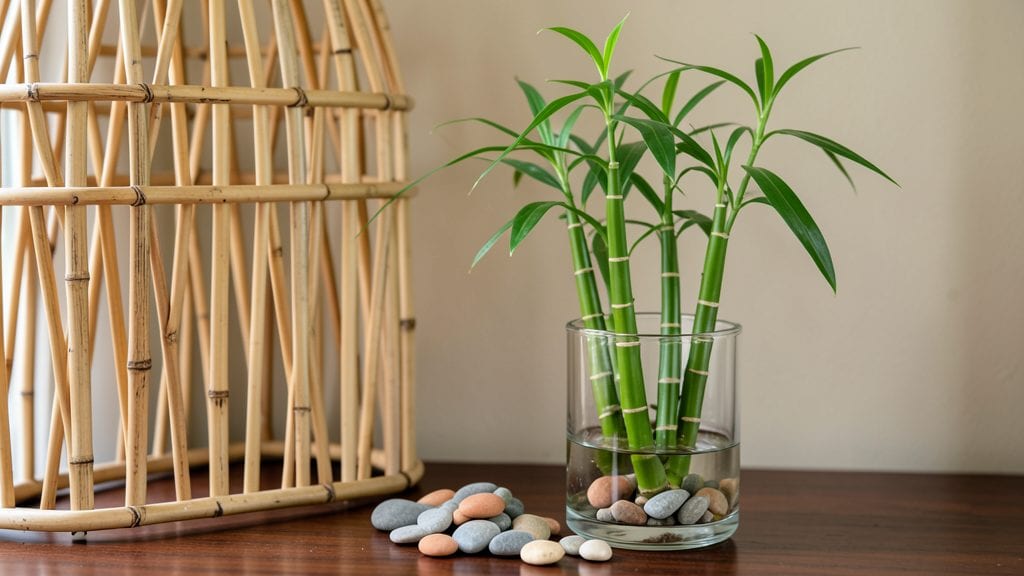
My bamboo garden trellises transformed my backyard from flat and ordinary to a lush vertical paradise—where roses climb like skyscrapers and morning glories paint the walls in purple. The natural strength of bamboo handles even the heaviest vines without sagging, and the rustic look blends seamlessly with any garden style.
I swapped flimsy plastic trellises for these after my first summer of wilting clematis, and the difference was immediate: plants thrived, not just survived.
You don’t need fancy tools or carpentry skills to make them work—just a few hours of assembly with basic hardware. Bamboo’s lightweight yet sturdy nature means you can place them anywhere: along fences for privacy, near patios to create shade, or even indoors near sunny windows.
For winter, a simple coat of outdoor sealant keeps them standing tall through frost, while their natural resistance to rot means they’ll outlast cheap metal alternatives by years. My trellises have lasted five seasons with minimal upkeep.
Imagine your garden in late summer: fragrant jasmine spilling over arches, deep green ivy softening harsh walls, or blushing roses trailing along your deck. The best part? You’ll reclaim floor space for seating or paths while giving plants the support they crave.
These trellises work for everything from delicate morning glories to powerhouse wisteria, and they’re the secret weapon behind my neighbor-jealousy levels of vertical growth. Let’s get those plants climbing!
Pro tip: Pair thick-stemmed bamboo with fast-growing vines like honeysuckle or passionflower for instant impact, or use slimmer poles for delicate climbers like sweet peas. And if you’re worried about them looking too utilitarian, just lean them against a stone wall or wrap them with twine—suddenly, they’re garden art.
The possibilities are limited only by your imagination (and your plants’ ambition).
📚 In This Guide
- What you need
- Instructions
- Tips and common mistakes
- Wrapping up and next steps
What you need
- ● Bamboo poles: 4–6 poles (3–5 inches in diameter, 6–10 feet long, depending on trellis height). Choose hardwood bamboo (like Phyllostachys) for durability.
- ● Galvanized or stainless steel wire: 16–20 gauge, 50–100 feet (for weaving or securing vines).
- ● Concrete or heavy-duty stakes: 4–6 stakes (4–6 inches wide) to anchor the trellis base.
- ○ Post caps or decorative tops: (Optional but stylish—choose bamboo or metal caps to seal the ends.)
- ● Measuring tape
- ● Hacksaw or handsaw (for cutting bamboo to size)
- ● Drill with metal bits (for securing stakes)
- ● Wire cutters (for trimming galvanized wire)
- ● Level (to ensure your trellis stands straight!)
- ● Gloves (bamboo splinters are no joke!)
- ● Paint or stain (for weatherproofing—choose non-toxic options!)
- ● Twine or jute rope (for a rustic, woven look)
- ● Decorative lattice panels (for added texture or climbing support)
- ● Solar-powered lights (to highlight your trellis at night!)
Step-by-Step instructions for building bamboo garden trellises
Here's how to create strong, attractive trellises using bamboo—simple, natural, and perfect for guiding vines upward.
Select and Prepare Your Bamboo Poles
Choose 4-foot to 6-foot poles with a diameter of about 1 to 1.5 inches—thick enough to hold weight but still lightweight for easy handling. Look for straight, unbroken sections without cracks or splits, as these weaken the structure. If your bamboo is dried out, soak the poles in water for 24 hours to restore flexibility and prevent snapping during assembly.
Once soaked, let the poles dry slightly so they’re damp but not dripping. This makes them easier to work with while still retaining some pliability. You’ll need 4 poles per trellis—two for the vertical supports and two for the horizontal crossbars. Trim any rough edges with a saw or file for a cleaner finish.
Assemble the Vertical Supports
Dig two holes, each 6 inches deep and 12 inches apart, at the location where you want your trellis. The depth ensures stability, especially in windy conditions. Insert one bamboo pole into each hole and pack the surrounding soil firmly around the base. Leave the poles slightly taller than your desired trellis height—you’ll trim them later once the crossbars are in place.
For extra stability, especially in larger gardens, drive a stake into the ground next to each pole and tie the bamboo to it with twine or zip ties. This prevents leaning and keeps the structure upright. If you’re building a taller trellis (over 5 feet), add a third vertical pole in the center for added support.
Attach the Horizontal Crossbars
Cut two additional bamboo poles to serve as horizontal crossbars—each should be 6 to 12 inches shorter than the distance between your vertical supports. This creates a slight overhang that guides vines upward naturally. Position the first crossbar about 12 inches from the base of the trellis and secure it by tying it tightly to the vertical poles with twine or garden wire.
Add a second crossbar 12 to 18 inches above the first, depending on how tall you want your climbing plants to grow. For most vines like beans, cucumbers, or morning glories, two crossbars spaced 1 foot apart provide enough support. If you’re growing heavier climbers like grapes or kiwi, add a third crossbar higher up for extra stability.
Secure and Reinforce the Structure
Check for wobble—if the trellis feels unstable, reinforce the joints by wrapping garden wire tightly around where the crossbars meet the vertical poles. This prevents shifting over time. For a decorative touch, you can also weave additional bamboo strips along the sides of the trellis to create a lattice effect, which gives vines more surface area to cling to.
Once assembled, water the base of the trellis lightly to settle the soil and ensure the poles stay firmly in place. If you’re installing this in a windy area, consider adding stakes at a 45-degree angle from the base of each vertical pole and securing them with twine for additional wind resistance.
Train Your Climbing Plants
When your vines begin to grow, gently guide the main stems along the bottom crossbar and tie them loosely with soft plant ties or twine. Avoid tying too tightly—you want to encourage growth, not restrict it. As the plants grow taller, train them upward to the next crossbar, securing them every 6 to 12 inches to keep them upright and organized.
Prune any side shoots that grow too aggressively to focus energy on upward growth. This not only keeps your trellis looking neat but also ensures your plants produce more flowers and fruit. With proper training, your climbing plants will thrive, creating a lush vertical display that maximizes your garden space.
Tips & tricks for perfect bamboo garden trellises
A few simple strategies will help you build trellises that last through multiple growing seasons and support even the heaviest climbers.
Soaking is Non-Negotiable: That 24-hour soak in Step 1 isn't just about flexibility—it's about strength. Dried-out bamboo becomes brittle and snaps easily under plant weight. If you're short on time, soak for at least 12 hours, but don't skip this step entirely. I learned this the hard way when my first trellis collapsed under cucumber vines because I rushed the soaking process. The extra day pays off in durability.
Stability Starts at the Base: In Step 2, those 6-inch deep holes are crucial for wind resistance. For extra security in windy areas, I recommend adding a third stake at a 45-degree angle behind each vertical pole, creating a triangle of support. This prevents the classic "leaning tower" look that happens when trellises aren't properly anchored. Think of it as building a mini windbreak for your structure.
Crossbar Spacing Matters: When attaching crossbars in Step 3, remember that 12-inch spacing is ideal for most vines, but heavier plants like grapes need closer support. I've found that adding a third crossbar at 18 inches works perfectly for fruit-bearing vines. The key is to position crossbars where the plant's natural growth patterns will reach them—this creates less work for you later when training vines.
Reinforcement is the Secret: The decorative lattice in Step 4 isn't just for looks—it actually increases surface area for vines to cling to, reducing the need for frequent tying. Use thin bamboo strips (about 1/4-inch wide) and weave them loosely between the main poles. This creates a natural climbing surface while adding structural integrity. I've seen trellises with this lattice design support 20-pound pumpkins without any sagging!
Pro Tips for Bamboo Garden Trellises
- A few simple strategies will help you build trellises that last through multiple growing seasons and support even the heaviest climbers.
- Soaking is Non-Negotiable: That 24-hour soak in Step 1 isn't just about flexibility—it's about strength.
- Stability Starts at the Base: In Step 2, those 6-inch deep holes are crucial for wind resistance.
Frequently asked questions
Got questions about bamboo garden trellises? You’re not alone! Here are answers to the most common ones to help you plan like a pro.
What’s the best time of year to install a bamboo trellis?
Install your trellis in early spring (before planting) or late fall (after harvest). This gives roots time to establish before heavy growth or freezing temps. If you’re adding it mid-season, water deeply and stake it temporarily for stability.
Can I use bamboo trellises for heavy vines like grapes or wisteria?
Standard bamboo trellises work for moderate-weight climbers (e.g., beans, cucumbers, or roses). For heavy vines, opt for reinforced bamboo (thicker poles or metal brackets) or combine with wooden posts. Test stability by gently tugging before planting.
How do I prevent bamboo trellises from rotting or attracting pests?
To extend lifespan:
- Seal the bamboo with non-toxic linseed oil or beeswax before use.
- Elevate the base with gravel or a concrete pad to deter moisture buildup.
- Avoid direct soil contact—use rocks or pavers underneath.
Are there affordable alternatives to bamboo trellises?
Yes! Try these budget-friendly options:
- PVC pipes: Lightweight, customizable, and resistant to rot.
- Willow stakes: Flexible and biodegradable (great for annuals).
- Recycled materials: Old ladders, wire cages, or even trellis kits from hardware stores.
Why is my bamboo trellis leaning or wobbling after installation?
Leaning usually means:
- Shallow planting: Bury the base 1/3 of its length or stake it at a 45° angle.
- Uneven ground: Level the area or add concrete footings for support.
- Wind exposure: Tie trellis to a permanent post or use guy wires.
Wrapping up and next steps
Transforming your garden with bamboo garden trellises isn’t just about aesthetics—it’s a game-changer for plant health, space efficiency, and sustainability. 🌿 Whether you’re guiding vines, training tomatoes, or adding a tropical vibe, these trellises offer durability, versatility, and eco-friendliness that’s hard to beat. Ready to elevate your gardening game?
Your next step? Pick a design that fits your space and plants, gather your materials, and get building! Start small with a single trellis, or go all out for a full vertical garden—either way, you’ll love the results. Happy gardening! 🌱