
Tools
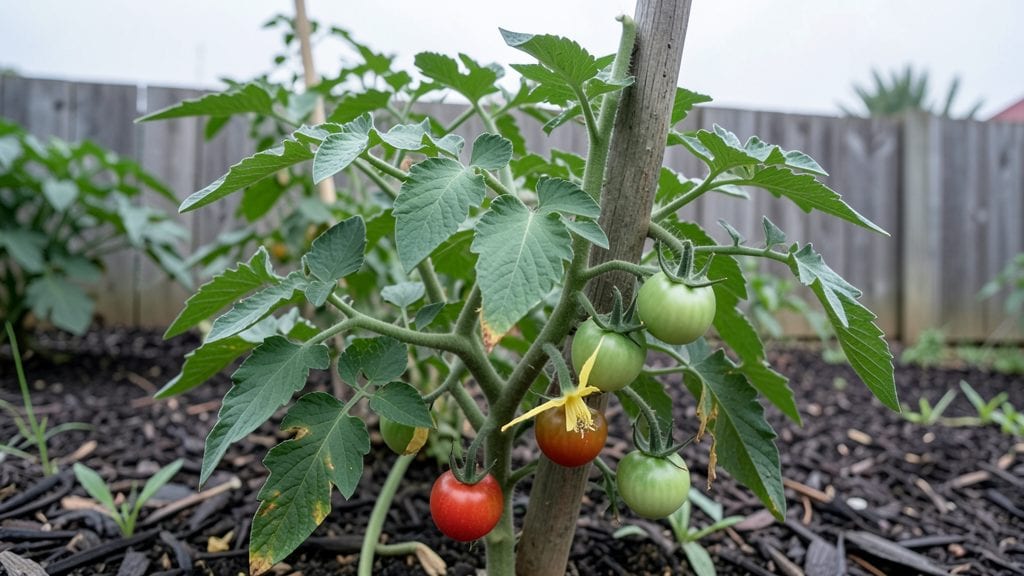
Growing tomatoes in a garden isn't just about planting seeds—it's about creating a vertical jungle that turns sunlight and space into a bounty of juicy, sun-ripened fruit. ✨ I learned the hard way that sprawling vines waste energy and invite disease, but a well-built trellis system changes everything.
The right setup lets you grow more tomatoes in less space while keeping them healthier and easier to harvest.
The secret lies in choosing the right varieties—cherry tomatoes for small spaces, beefsteaks for big yields—and pairing them with a sturdy trellis that supports their weight without bending. You’ll need basic supplies like tomato cages, wooden stakes, or a DIY lattice, plus a few hours to assemble it before planting.
Once set up, the trellis becomes a game-changer, especially in small gardens or urban plots where space is tight.
By mid-summer, your vines will climb like vines on a jungle gym, soaking up sunlight from every angle while staying dry and disease-free. The result? Tomatoes that ripen faster, taste sweeter, and produce 30-50% more than plants left to sprawl.
Plus, harvesting becomes a breeze—no more bending over or searching for hidden fruit in the foliage.
This system works for any garden size, from a single pot on a balcony to a full raised bed. Whether you're dealing with limited space or just want to maximize your harvest, the vertical approach is the way to go. Let’s get those vines growing upward!
📚 In This Guide
- What you need
- Instructions
- Tips and common mistakes
- Wrapping up and next steps
What you need
- ● Tomato plants: 4–6 healthy seedlings or seeds (disease-resistant varieties like Celebrity or Sungold work great).
- ● Vertical trellis system: 4–6 T-posts (5–6 ft tall, galvanized for durability).
- ● 1–2 rolls of twine or jute twine (¼-inch thickness, 50–100 ft).
- ● OR a pre-made tomato cage trellis (6–8 ft tall, sturdy metal or wood).
- ● Potting mix: 10–15 gallons of lightweight, well-draining soil (add compost for nutrients).
- ● Containers or raised beds: 5–10 gallon fabric grow bags (for mobility) OR
- ● Wooden/plastic raised beds (at least 12" deep).
- ● Fertilizer: Balanced organic fertilizer (10-10-10 or compost tea).
- ● Mulch: Straw or shredded leaves (3–4 inches to retain moisture).
- ● Watering can or hose: With a gentle spray nozzle.
- ● Pruning shears: Sharp, clean pair for trimming suckers.
- ● Drip irrigation kit (for consistent watering).
- ● Plant ties or Velcro strips (to secure vines to trellis).
- ● Shade cloth (for hot climates, 30–50% coverage).
- ● Tomato cages or netting (to deter pests like birds/squirrels).
- ● pH test kit (to check soil acidity, ideal: 6.0–6.8).
- ● Garden gloves (for comfort while handling plants).
Step-by-step instructions for building a vertical tomato trellis
Here's the foolproof system I use to grow four healthy tomato plants upward instead of sprawling.
🪴 Step 1: Choose and Install the Trellis Structure
Start with a sturdy 4-foot-tall wooden or metal trellis (I prefer the A-frame design for stability). Drive two 2-foot-long wooden stakes into the ground 18 inches apart at the base, then attach the trellis horizontally between them. Make sure the top is level—uneven frames cause plants to lean.
Position the trellis in a spot that gets full sun (at least 6-8 hours daily). Tomatoes need intense light to produce fruit, so avoid shaded corners. I like to place mine where morning sun warms the plants gradually, preventing sunburn on tender leaves.
🌱 Step 2: Plant Tomatoes at the Base
Dig a hole twice as wide as the root ball and just as deep for each tomato plant. Space plants 18-24 inches apart along the base of the trellis to allow airflow. Gently remove the plant from its container and loosen the roots if they're circling.
Place the plant in the hole, backfill with soil, and water deeply until moisture reaches 6 inches down. Press the soil lightly around the base to secure the plant. I always add a handful of balanced fertilizer (10-10-10) to the planting hole—this gives roots a nutrient boost right away.
☀️ Step 3: Train Vines Upward as They Grow
Once plants reach 12 inches tall, gently tie the main stem to the trellis using soft plant ties (never wire or anything that can cut into the stem). I like to use cloth strips because they stretch as the plant grows without chafing.
As the plant climbs, guide new growth along the trellis in a spiral pattern. Remove any suckers (side shoots in the leaf axils) that appear below the first flower cluster—these drain energy from fruit production. You'll know you're doing it right when the plant grows straight up with no sprawling vines.
✂️ Step 4: Prune and Support Through the Season
When vines reach the top of the trellis, stop pruning to allow the plant to focus on ripening fruit. Continue tying new growth to the structure every 3-4 days—tomatoes grow fast, and untied vines can snap in wind or rain.
Watch for overcrowded leaves at the base—remove any yellowing or diseased foliage immediately. I also pinch off the topmost leaves once fruit sets to redirect energy downward. This ensures the trellis supports the weight of the harvest without bending.
💧 Step 5: Water and Maintain for Maximum Yield
Water at the base (never overhead) to prevent disease, aiming for 1-1.5 gallons per plant weekly. Let the top inch of soil dry between waterings—consistent moisture prevents blossom-end rot. I water in the early morning so leaves dry quickly, reducing fungal risks.
Fertilize again when flowers appear, using half-strength liquid fertilizer. Stop fertilizing 4-6 weeks before harvest—too much nitrogen late in the season leads to leafy growth instead of fruit. Your trellis will soon sag under the weight of beefsteak tomatoes ready for picking!
Tips & tricks for perfect vertical tomato trellis gardening
Here's what I've learned after years of growing tomatoes vertically—these small details make all the difference between a decent harvest and a spectacular one.
Stability is Key: When installing your 4-foot-tall trellis, use two 2-foot-long wooden stakes driven deep into the ground—at least 6 inches below the surface. I've seen many trellises topple when planted too shallowly, especially during wind or when heavy with fruit. For extra security, add a third stake in the center if your garden gets gusty. Uneven frames also cause plants to lean, so use a level to ensure the top is perfectly horizontal before attaching.
Sunlight Strategy: The 6-8 hours of full sun requirement is non-negotiable for tomato production, but placement matters just as much. Position your trellis where morning sun hits the plants first—this gradual warming prevents sunburn on tender leaves. I've noticed that afternoon sun alone often leads to leaf scorch, so prioritize morning light exposure. If your garden has limited sun, consider reflective surfaces like white mulch around the base to maximize light exposure.
Root Care Tip: When planting, make sure to loosen circling roots before placing your tomato in the hole—this prevents root-bound stress. I also add a handful of balanced fertilizer (10-10-10) directly to the planting hole, which gives roots an immediate nutrient boost. Watering until moisture reaches 6 inches down ensures roots establish properly from the start, setting up your plants for better vertical growth.
Pruning Precision: The 3-4 day tying schedule is crucial—tomatoes grow surprisingly fast, and untied vines can snap under their own weight or in wind. When you reach the top of the trellis, stop pruning entirely to let the plant focus on fruit ripening. I've found that pinching off the topmost leaves once fruit sets helps redirect energy downward, preventing the trellis from bending under the weight of heavy tomatoes.
Pro Tips for Tomatoes In Garden
- Here's what I've learned after years of growing tomatoes vertically—these small details make all the difference between a decent harvest and a spectacular one.
- Stability is Key: When installing your 4-foot-tall trellis, use two 2-foot-long wooden stakes driven deep into the ground—at least 6 inches below the surface.
- Sunlight Strategy: The 6-8 hours of full sun requirement is non-negotiable for tomato production, but placement matters just as much.
Frequently asked questions
Got questions about growing tomatoes in your garden? You’re not alone! Here are some of the most common queries—plus quick answers to help you grow like a pro.
When is the best time to plant tomatoes in my garden?
Tomatoes thrive in warm soil, so wait until after the last frost when nighttime temperatures stay above 50°F (10°C). For most regions, this means late spring or early summer. If you’re in a cooler climate, start seeds indoors 6-8 weeks before the last frost for a head start!
How much space do tomatoes need when using a vertical trellis?
With a vertical trellis, you can fit 2-3 plants per square foot—far more efficient than traditional spacing! Just ensure each plant has 18-24 inches of vertical space to grow upward. Prune suckers (side shoots) regularly to encourage upward growth and better airflow.
What are the most common tomato pests, and how do I prevent them?
Watch out for hornworms, aphids, and whiteflies. Handpick hornworms (they’re easy to spot!) and spray plants with neem oil or insecticidal soap for aphids. Prevention tip: Use row covers early in the season and rotate crops yearly to disrupt pest cycles.
Can I grow tomatoes in containers or small spaces with a trellis?
Dwarf or bush varieties like ‘Tiny Tim’ or ‘Patio’ are perfect for containers (5-gallon pots or larger). Use a compact trellis or cage to save space. Just ensure the container has drainage holes and you’re fertilizing regularly—container-grown tomatoes need extra nutrients!
How long does it take for tomatoes to grow and produce fruit?
From seed to harvest, it takes 60-85 days for most varieties, depending on the type. Determinate (bush) tomatoes produce fruit all at once, while indeterminate (vining) tomatoes yield continuously until frost. Patience pays off—harvest when tomatoes are fully colored and slightly soft to the touch!
Pro Tip: Need a quick fix for slow-growing tomatoes?
Check for underwatering or overwatering—tomatoes hate soggy roots! Also, ensure they get 6-8 hours of sunlight daily. If growth stalls, add a balanced fertilizer (10-10-10) and trim lower leaves to improve airflow. Your plants will thank you!
Wrapping up and next steps
Growing tomatoes vertically isn’t just a space-saving hack—it’s a game-changer for healthier, happier plants and bountiful harvests! 🌱 By maximizing sunlight, airflow, and yield, you’ll transform even the smallest garden into a thriving tomato oasis.
Whether you’re a seasoned gardener or just starting out, this trellis system makes it simple to grow more with less fuss.
Ready to dig in? Start by gathering your supplies, sketch out your design, and get those tomato seeds or seedlings in the ground. Before you know it, you’ll be savoring homegrown tomatoes straight from your vertical garden—what’s not to love? Happy planting! 🍅✨