Size
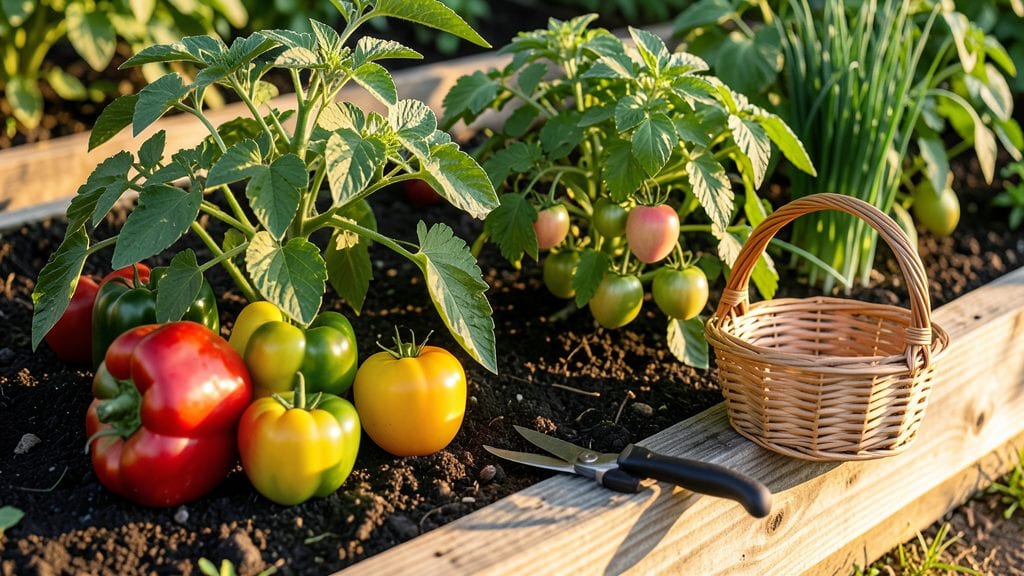
Growing a salsa garden in small spaces means fresh ingredients at your fingertips—no grocery store required. 🌿 My first attempt used a single 10-foot-by-2-foot raised bed, and it produced enough jalapeños, cilantro, and tomatoes to make salsa for months.
The key is choosing heat-loving plants that thrive in tight quarters and don’t need much fuss.
You’ll need a sunny spot with at least 6 hours of direct light daily, well-draining soil, and containers or a raised bed if space is limited. Start with jalapeños, serranos, or cherry tomatoes for heat, then add cilantro, basil, and green onions for freshness.
Water consistently—peppers hate soggy roots, while herbs like cilantro need steady moisture to avoid bolting.
By mid-summer, you’ll harvest bright green peppers, fragrant herbs, and juicy tomatoes ready for salsa. The first batch will taste shockingly fresh compared to store-bought, and you’ll save money while cutting food waste. Just watch for pests like aphids and keep plants pruned to encourage bushier growth.
This setup works in containers, raised beds, or even a balcony garden—as long as it gets enough sun. Once you master the basics, you can expand with different pepper varieties or experiment with other salsa staples like onions or avocados. Let’s get those seeds in the ground!
📚 In This Guide
- What you need
- Instructions
- Tips and common mistakes
- Wrapping up and next steps
What you need
- ● Seeds or seedlings: Choose 2–3 varieties of peppers (e.g., jalapeños, serranos, or habaneros) and 1–2 herbs (cilantro, basil, or parsley). Start with 3–5 plants total for a balanced salsa blend.
- ● Containers: 5–10-inch pots (1–2 per plant) or a raised bed (at least 12" deep). Ensure they have drainage holes!
- ● High-quality potting mix: 1–2 bags (sterile, well-draining soil with compost). Avoid garden soil—it can compact and suffocate roots.
- ● Sunlight: A south-facing window, balcony, or patio with 6+ hours of direct sunlight daily (peppers are sun-hungry!).
- ● Watering can or hose: With a gentle spray nozzle to avoid disturbing soil.
- ● Fertilizer: Balanced liquid fertilizer (10-10-10) or organic options like fish emulsion. Use every 2–4 weeks once plants are established.
- ● Grow lights (LED full-spectrum) for indoor gardens or cloudy days.
- ● Self-watering planters to maintain moisture without overwatering.
- ● Trellis or stakes for tall herbs like basil to save space.
- ● Pruning shears for harvesting and shaping plants.
- ● Labels or a small notebook to track planting dates and varieties.
- ● Glove and hat for sunny days (pepper plants can be prickly!).
Step-by-step instructions for growing a salsa garden
Here’s how to pack sun-loving peppers and herbs into a compact space for bold flavors.
🌱 Step 1: Choose and Prepare Containers for Optimal Drainage
Select 4 containers—each at least 12 inches deep—with drainage holes to prevent root rot. I use terra cotta pots for their breathability, but plastic works too if you drill extra holes. Place a 2-inch layer of gravel at the bottom of each to improve drainage and aeration.
Fill the remaining space with 3 gallons of potting mix mixed with 1 cup perlite per container. This blend prevents compaction and keeps roots oxygenated. Press the soil lightly so it’s firm but not packed—you want roots to grow freely, not struggle.
🌿 Step 2: Plant Peppers and Herbs for Maximum Flavor
Start with 1 pepper plant per container (jalapeños, serranos, or poblano work well). Dig a hole twice as wide as the root ball and place the plant so the top of the root ball sits ½ inch below the soil line. Gently backfill with soil and pat it down to remove air pockets.
Add cilantro, green onion sets, and a small basil plant around the pepper’s base, spacing them 6 inches apart. These herbs thrive in the same conditions and complement peppers perfectly. Water deeply right after planting to settle the soil and encourage root contact.
☀️ Step 3: Position for Full Sun and Consistent Care
Place your containers in a spot with at least 6-8 hours of direct sun daily. A south-facing window or balcony works best. If you’re using grow lights, position them 4-6 inches above the plants and keep them on for 14 hours a day to mimic long summer days.
Water when the top inch of soil feels dry, but avoid soggy soil—peppers hate wet feet. I use a watering can with a narrow spout to direct moisture to the base, preventing leaf wetness that can invite disease. Mulch with 1 inch of straw to retain moisture and suppress weeds.
✂️ Step 4: Prune and Harvest for Continuous Production
When peppers reach 6 inches tall, pinch off the first few flowers to encourage bushier growth. This ensures more fruit later in the season. Once fruit sets, harvest peppers when they’re firm and fully colored—this keeps plants producing instead of focusing energy on ripening.
Trim basil and cilantro regularly to promote bushiness, and snip green onions 2 inches above the base. You’ll see new growth within a week—that’s your signal everything is working. Rotate containers a quarter turn weekly so plants grow evenly toward the light.
💧 Step 5: Fertilize and Troubleshoot for a Thriving Garden
Feed plants every 4-6 weeks with ½ cup of balanced fertilizer (10-10-10) dissolved in water. This keeps peppers and herbs vigorous without overloading the soil. Yellowing leaves? You’re likely overwatering—let the soil dry out slightly between waterings.
Watch for pests like aphids or spider mites. A neem oil spray (1 tsp per quart of water) keeps them at bay naturally. If leaves turn crispy, your plants need more humidity—mist them lightly in the morning or place trays of water nearby.
Tips & tricks for perfect salsa garden growth
Your compact salsa garden thrives on precision—here's how to maximize flavor and yield without common pitfalls.
Container Selection Matters: Terra cotta pots excel at wicking moisture, but if using plastic, drill extra drainage holes along the sides—root rot is the silent killer of container gardens. I've seen peppers wither within weeks from poor drainage, so never skip this step. For urban spaces, consider vertical planters with built-in drainage systems to save floor space while maintaining airflow.
Soil Science is Critical: The 3 gallons of potting mix mixed with 1 cup perlite per container creates ideal aeration, but don't skimp on quality. I use a blend with 20% worm castings for extra nutrients—this gives your peppers that restaurant-quality kick. Press the soil lightly after planting; too firm and roots suffocate, too loose and they can't anchor properly.
Light Optimization Techniques: The 6-8 hours of direct sun is non-negotiable, but location matters more than you'd think. South-facing windows work, but east-facing gets softer morning light that's gentler on herbs. For grow lights, position them 4-6 inches above plants and keep them on for 14 hours—this mimics summer's long days. I've seen basil bolt (flower prematurely) when lights were too close or on too long.
Harvesting Strategy: When peppers reach 6 inches, pinch those first flowers—this might seem counterintuitive, but it forces the plant to grow bushier and produce more fruit later. For continuous harvests, pick peppers when they're firm and fully colored; leaving them too long drains the plant's energy. I harvest every 3-4 days during peak season, and my plants keep producing for months.
Pro Tips for Grow A Salsa Garden
- Your compact salsa garden thrives on precision—here's how to maximize flavor and yield without common pitfalls.
- Container Selection Matters: Terra cotta pots excel at wicking moisture, but if using plastic, drill extra drainage holes along the sides—root rot is the silent killer of container gardens.
- Soil Science is Critical: The 3 gallons of potting mix mixed with 1 cup perlite per container creates ideal aeration, but don't skimp on quality.
Frequently asked questions
Got questions about growing your own salsa garden? You’re not alone! Here are some of the most common concerns—and their answers—to help you grow confidently, even in small spaces.
Can I grow a salsa garden in containers if I don’t have a yard?
Many salsa ingredients thrive in containers—think peppers, cilantro, onions, and tomatoes. Just ensure your pots have drainage holes and are at least 12 inches deep. A sunny windowsill or balcony gets the job done! Pro tip: Use lightweight potting mix to keep your setup manageable.
How long does it take to grow enough salsa ingredients from seed?
Peppers and tomatoes take the longest—typically 60–90 days to harvest—while herbs like cilantro and basil mature in 30–45 days. Start seeds indoors 6–8 weeks before your last frost date for a head start. Pro tip: Fast-track growth with grow lights or a sunny windowsill.
What’s the easiest pepper to grow for beginners?
Jalapeños and serranos are beginner-friendly! They’re disease-resistant, adaptable, and pack a punch. For milder heat, try banana peppers—they’re slow to bolt and perfect for small spaces. Pro tip: Harvest peppers early for smaller, sweeter flavors.
How do I keep pests away from my salsa garden?
Pests like aphids and spider mites love salsa plants, but you can deter them naturally. Spray neem oil or introduce beneficial insects like ladybugs. Cilantro can also attract aphids—harvest it early or plant it away from peppers. Pro tip: Inspect leaves regularly and remove damaged foliage to prevent spread.
Do salsa ingredients need full sun, or can they tolerate partial shade?
Most salsa ingredients—peppers, tomatoes, and cilantro—thrive in 6+ hours of direct sun daily. Partial shade (3–6 hours) may work for herbs like basil, but peppers will produce fewer fruits. Pro tip: Use reflective surfaces (like white walls) to maximize light in shady spots.
Wrapping up and next steps
Growing your own salsa garden is a rewarding journey that brings bold flavors and fresh ingredients right to your doorstep—no matter how small your space! 🌱 With the right sun-loving herbs and peppers, a few essential tools, and a dash of patience, you’ll be harvesting vibrant, homegrown goodies in no time.
Whether you’re a seasoned gardener or a beginner, this tiny-space guide makes it easier than ever to turn your balcony, patio, or windowsill into a salsa paradise.
Now that you’re armed with the knowledge and confidence to start, what’s next? Roll up your sleeves, grab your gloves, and plant those seeds! Start small, experiment with varieties, and soon you’ll be whipping up the most delicious, homemade salsa your taste buds have ever celebrated. Happy gardening! 🌶️💚