
Pests
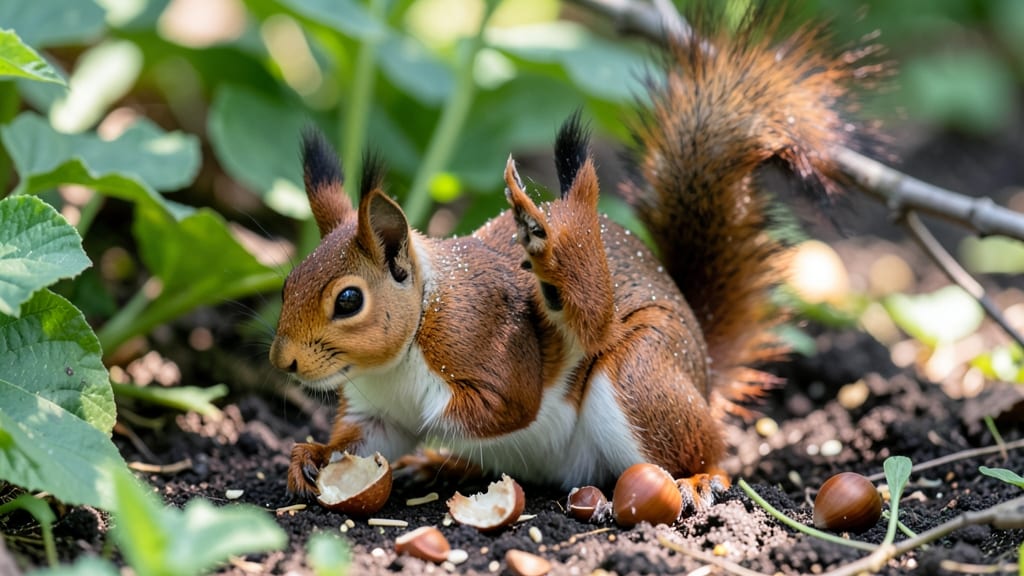
Squirrel damage in the garden starts with understanding these clever critters—because they’re not just stealing sunflower seeds, they’re digging up bulbs, stripping bark, and even chewing through irrigation lines. 🌱 I’ve lost entire rows of tulips to their relentless tunneling, and trust me, nothing ruins a spring garden faster than waking up to a field of upturned soil and scattered petals.
The good news? Squirrels respond to visual cues, textures, and smells more than anything else. A few foolproof barriers—like hardware cloth wrapped around raised beds or reflective tape strung between stakes—can send them scurrying elsewhere.
I’ve also had success with hot pepper spray (homemade, of course) and prickly mulch like pine cones, which they avoid like the garden gate.
You’ll see results almost immediately—fewer dug-up plants, no more missing seed packets, and a peace of mind that lasts through the growing season. The key is layering defenses: combine physical barriers with repellents and plant placement tricks, like tucking vulnerable bulbs deeper or choosing squirrel-resistant varieties.
It’s not about keeping them out forever, just making your garden less appealing than the oak tree next door.
Works for vegetable patches, flower beds, and even potted plants on patios. The methods scale from small containers to full-sized gardens, and the best part? You’re not harming the squirrels—just outsmarting them. Let’s get started with the solutions that actually work.
Root Causes Of Garden Raids
Squirrels aren’t just adorable backyard visitors—they’re highly intelligent, opportunistic foragers that turn your garden into an all-you-can-eat buffet. Understanding why they strike is the first step to stopping them. These furry bandits target gardens for three key reasons, each rooted in biology, behavior, and survival instincts. Let’s break it down.
Squirrels are omnivorous generalists, meaning they’ll eat almost anything—seeds, bulbs, fruits, vegetables, and even birdseed. When natural food sources (like nuts, fungi, or insects) dwindle, they expand their search radius, often landing in human-manicured gardens. Here’s the science:
- Seasonal Shifts: In late summer and fall, squirrels hoard food for winter. If your garden has easy-access crops (like sunflower seeds, corn, or squash), they’ll strip entire plants to stockpile. Their hippocampus (memory center) stores spatial maps of food sources—once they find a bountiful garden, they’ll return repeatedly.
- Urbanization Effect: As wild habitats shrink, squirrels adapt by raiding anthropogenic food sources (human-provided food). Gardens with unprotected compost piles, open seed packets, or ripe fruit trees become prime targets.
- Protein Deficiency: Squirrels need protein for muscle repair, especially during breeding season (spring). Gardens with young shoots, tender greens, or even pet food left outdoors can trigger a feeding frenzy.
Actionable Insight: If your garden is a high-value food source, squirrels will treat it like a 24/7 cafeteria. The fix? Disrupt their access before they turn your zucchini patch into a salad bar.
Squirrels aren’t just after snacks—they’re also nest builders. Your garden’s physical structure can unintentionally invite them to dig, chew, or burrow. Here’s how:
| Garden Feature | Why Squirrels Target It | Scientific Reason |
|---|---|---|
| Loose soil or mulch piles | Digging for grubs, bulbs, or to create nests | Squirrels use their sharp claws to excavate draft-free underground chambers. Sandy or loose soil is easier to manipulate than compacted dirt. |
| Tree bark or wooden fences | Chewing to sharpen teeth or build dreys (nests) | Their incisors grow continuously—chewing wood is a biological necessity. Bark also provides insulation for nesting. |
| Bird feeders or hanging plants | Using them as platforms to raid gardens | Squirrels have prehensile tails and powerful hind legs—they treat feeders as launchpads to access nearby food sources. |
Actionable Insight: Squirrels see your garden as a multi-use resource. To deter them, eliminate easy nesting spots and make structural damage harder.
Squirrels are highly observant and fast learners. If they see humans not intervening when they raid gardens, they’ll exploit that pattern. Here’s how their behavior evolves:
- Conditioning: If you ignore squirrels digging up bulbs or stealing fruit, they’ll repeat the behavior. This is operant conditioning—they learn that no consequence = free meal.
- Social Learning: Squirrels communicate through vocalizations and body language. If one squirrel finds a lucrative garden, others will follow the scent trail.
- Tool Use: Some squirrels manipulate objects (like lifting lids or untying knots) to access food. If your garden has unsecured containers, they’ll figure out how to exploit them.
Actionable Insight: Squirrels are not mindless—they’re strategic. The moment they realize your garden is unprotected, they’ll turn it into a personal buffet. Stay one step ahead with proactive deterrents.
💡 Pro Tip: Squirrels are most active at dawn and dusk. If you notice fresh damage during these times, they’re actively scouting—not just passing through. Use this to your advantage with targeted repellents.
Stop Squirrels Before They Strike
Squirrels may seem harmless, but when they invade your garden, they can turn your hard work into a buffet of destruction. The good news? With the right strategies, you can outsmart these furry pests and protect your plants.
Below, we’ve mapped out practical, squirrel-proof solutions based on the most common causes of garden damage—from digging up bulbs to stripping bark and munching on young shoots.
Squirrels love tender, fresh greens, and if they’re snacking on your seedlings or young plants, they’ll return until stopped.
🔥 Fix It:
- 🍳 Install Physical Barriers – Use chicken wire, hardware cloth, or mesh cages (¼-inch or smaller) around vulnerable plants. Secure it tightly to the ground and wrap it around stems if needed.
- 👨🍳 Try Repellent Sprays – Mix hot pepper wax, garlic spray, or commercial squirrel repellents (like Bobbex) and spray directly on plants. Reapply after rain.
- 🥘 Plant Deterrents Nearby – Squirrels dislike strong-smelling herbs like mint, rosemary, or daffodils. Plant these as a natural border.
💡 Pro Tip: If squirrels are after berries or fruit, pick them as soon as they ripen—they won’t linger if there’s no food left!
Squirrels are master diggers, and if they’re unearthed your tulips or daffodils, they’ll keep coming back unless you change their behavior.
🔥 Fix It:
- ⏰ Use Decoys & Distractions – Bury fake bulbs (plastic or clay) in the garden. Squirrels will dig there instead of your real plants. Move the decoys every few days to keep them confused.
- 🔪 Set Humane Traps – Place live traps with peanut butter or nuts near the damage. Release them far from your garden (at least a mile away).
- 🌡️ Apply Capsaicin Spray – A chili-based repellent sprayed on the soil deters digging. Reapply every few weeks or after rain.
💡 Pro Tip: If squirrels are after spring bulbs, plant them deeper (8-10 inches) or use bulb cages made from wire mesh.
Squirrels chew bark for salt and minerals, and if they’re gnawing on your young trees, they can kill them over time.
🔥 Fix It:
- 🍳 Wrap Trunks in Mesh or Tree Guard – Use hardware cloth or commercial tree wraps to cover the lower 4-5 feet of the trunk. Secure with wire or zip ties.
- 👨🍳 Offer Alternative Food Sources – Place a squirrel feeder filled with corn or sunflower seeds away from your garden. A full stomach means less snacking on your trees!
- 🥘 Use Taste Deterrents – Rub petroleum jelly, cayenne pepper, or bitter apple spray on the bark. Squirrels dislike the taste and texture.
💡 Pro Tip: If squirrels are after fruit trees, harvest fallen fruit immediately—they’ll keep returning if food is available.
The best defense is a squirrel-proof garden that doesn’t tempt them in the first place.
✨ Do This:
- 🎯 Remove Food Sources – Clean up fallen fruit, nuts, and seeds. Store compost bins securely.
- 🌡️ Keep the Area Tidy – Squirrels love clutter. Trim overgrown bushes and remove hiding spots.
- 🔥 Use Motion-Activated Sprinklers – Devices like ScareCrow spray water when they detect movement, scaring squirrels away.
- 🌱 Plant Squirrel-Resistant Varieties – Choose drought-tolerant plants (squirrels avoid them) or bitter-tasting veggies like kale or Brussels sprouts.
💡 Pro Tip: If squirrels are nesting in your garden, they’ll defend their territory aggressively. Check for chewed nests or burrows and relocate them humanely.
By combining physical barriers, repellents, and smart garden design, you can keep squirrels out for good—without harming them. Try one or two methods first, then adjust based on their behavior. A little effort now saves big headaches (and destroyed plants) later! 🐿️🚫
Frequently asked questions
What are the most common signs squirrels are damaging my garden?
Look for upturned soil, scattered seeds, chewed plants, or missing fruit. You’ll also spot tiny claw marks on bark, dug-up bulbs, and scattered mulch. Check for nesting materials (leaves, twigs) piled near plants or in tree branches.
Will squirrels eventually stop raiding my garden if I ignore them?
No—they’ll keep coming back! Squirrels are highly intelligent and learn from experience. If they find easy access to food, they’ll return repeatedly, often bringing their whole family. Ignoring the problem just makes your garden their personal buffet.
Are there humane ways to relocate squirrels instead of trapping them?
Yes! Use live traps with peanut butter bait, then release them at least a mile away in a wooded area. For a gentler approach, create a squirrel-friendly habitat (like a feeder station) far from your garden to redirect their attention.
How long does it take for repellent sprays to work?
Most repellents (like hot pepper spray or garlic-based solutions) show results within 24-48 hours. For best results, reapply every 1-2 weeks or after rain. Combine sprays with physical barriers for faster protection.
Can I plant anything to naturally keep squirrels away?
Yes! Squirrels dislike strong-smelling herbs like mint, rosemary, or daffodils. Plant these as borders or intermingle them with vulnerable crops. Avoid peace lilies or marigolds—they won’t deter squirrels.