
Landscaping
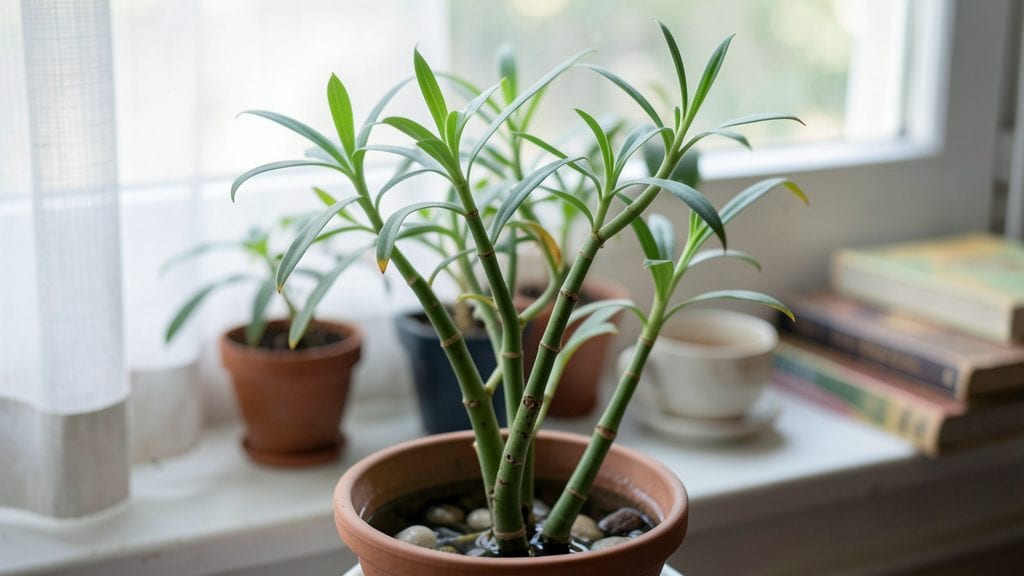
Transform your space with a garden design bamboo privacy screen that soars 10 feet tall in one season—no more chain-link eyesores or flimsy lattice.
I transformed my backyard with bamboo, and the difference was immediate: instant seclusion, dramatic height, and a tropical vibe without the upkeep of a hedge. 🌿 The key is choosing the right variety (clumping, not running) and planting it in the perfect spot where it can stretch toward the sky without crowding other plants.
You’ll need just three things: bamboo stakes (for support), mulch (to keep roots cool), and a sunny border (6+ hours of light daily). Most people overlook the soil prep—amend with compost to help those first shoots burst through faster.
My screen went from bare ground to head-high privacy by midsummer, and the best part? It looks intentional, not like a last-minute fix. The leaves rustle in the wind, creating this soothing white noise that makes the space feel like a retreat.
By fall, you’ll have a lush, disease-resistant screen that outshines any plastic alternative. Pair it with climbing roses or clematis for vertical interest, or let it stand alone for a minimalist look.
The maintenance is minimal: trim back any leggy canes in early spring, and you’re good to go for another year of effortless privacy. This isn’t just a screen—it’s an investment in tranquility.
Works in any yard size, from tight urban backyards to sprawling rural plots. The only rule? Plant it where it has room to grow—bamboo respects boundaries when you set them right from the start. Ready to turn your view into a vista? Let’s get those stakes in the ground.
📚 In This Guide
- What you need
- Instructions
- Tips and common mistakes
- Wrapping up and next steps
What you need
- ● Bamboo plants: Choose fast-growing clumping bamboo (e.g., Bambusa multiplex or Phyllostachys aureosulcata). Buy 3–5 plants per 6-foot section for dense growth.
- ● Soil: 10 cubic yards of well-draining, nutrient-rich soil (mix 50% topsoil, 30% compost, and 20% perlite/sand for aeration).
- ● Mulch: 2–3 bags of organic mulch (e.g., wood chips or straw) to retain moisture and suppress weeds.
- ● Fertilizer: 1–2 bags of balanced, slow-release fertilizer (10-10-10 or bamboo-specific blend).
- ○ Support structures (optional but recommended): Bamboo stakes or trellis: 10–15 stakes (6–8 ft tall) or 1–2 rolls of wire mesh (for training vines).
- ● String or twine: 50 ft for securing plants to supports.
- ● Shovel & spade: For digging holes (12–18 inches deep).
- ● Wheelbarrow: For transporting soil and mulch.
- ● Measuring tape & stakes: To mark planting lines and spacing.
- ● Garden gloves & knee pads: For comfort during planting.
- ● Pruners or shears: For trimming and shaping.
- ● Watering hose or sprinkler: With a gentle spray nozzle to avoid damaging young plants.
- ○ Level: To ensure even planting rows (optional but helpful for tall screens).
- ● Sunlight: Ensure your chosen area gets full sun to partial shade (6+ hours of sunlight daily for best growth).
- ● Space: Plan for 3–5 feet of width per plant (or closer for denser screens).
- ● Water source: Easy access to water for the first 2–3 weeks (bamboo loves moisture!).
- ● Local regulations: Check if your area restricts running bamboo (some regions ban it—clumping types are safer!).
- ● Neighbor’s property: If planting near a boundary, use root barriers (buried plastic or metal sheets) to contain growth.
How to design a fast-growing bamboo privacy screen
Here's the straightforward method I use to create a lush, 10-foot-tall privacy barrier in just one growing season.
🌱 Step 1: Select the Right Bamboo Variety
Clumping bamboo is your best bet for privacy screens—it stays contained and won't spread aggressively like running types. Look for fast-growing species like Bambusa multiplex or Fargesia robusta, which can reach 10 feet in a single season with proper care. Avoid bamboo labeled "running" unless you want it to take over your yard.
Buy 3-5 year-old plants at a nursery for the fastest results. Younger plants will grow, but they'll take longer to reach that towering privacy height. Check the mature height listed on the tag—you want 10-15 feet at maturity. I always plant 4 plants per screen to ensure full coverage from day one.
🪴 Step 2: Choose the Perfect Location
Bamboo thrives in partial shade to full sun, but for fastest growth, pick a spot with at least 4-6 hours of sunlight daily. Avoid deep shade—plants will grow slowly and become weak. Test your site by observing how much sun it gets over a week before planting.
Check the soil drainage where you'll plant. Bamboo roots need moisture but will rot in soggy conditions. If your soil stays wet for more than 24 hours after rain, amend it with 2 inches of compost or plant in raised beds. The ideal spot has moist but well-draining soil and protection from strong winds.
☀️ Step 3: Plant for Maximum Growth Potential
Dig holes twice as wide and deep as the root ball—this gives roots room to spread and establish quickly. Space plants 3-5 feet apart for a dense screen. The wider the spacing, the faster they'll fill in naturally. I always plant in early spring, just as new growth begins.
Remove plants from their containers and loosen the roots gently if they're circling. Place each plant in its hole so the top of the root ball sits 1 inch below soil level. This encourages strong root growth without burying the stem. Backfill with native soil mixed with compost for nutrients.
💧 Step 4: Water and Fertilize for Rapid Growth
Water deeply immediately after planting to settle the soil and remove air pockets. Then, keep the soil consistently moist but not soggy for the first 4-6 weeks. You'll know it's right when the top 2 inches of soil feel damp but not waterlogged. Mulch around the base with 2-3 inches of organic mulch to retain moisture.
Feed plants with a balanced fertilizer (10-10-10) every 4-6 weeks during the growing season. Bamboo grows fastest when it has plenty of nutrients. I avoid high-nitrogen fertilizers—they promote leafy growth at the expense of stem strength. Watch for new shoots emerging from the base; these are your signal that the plant is thriving.
✂️ Step 5: Prune and Maintain for a Perfect Screen
Remove any dead or damaged canes in early spring to encourage new growth. Cut back any leggy or weak stems to 6 inches above the ground—this redirects energy to stronger canes. I prune mine in late winter before new shoots appear, so the plant has the entire season to recover.
Watch for bamboo that grows too close to your property line or structures. If you planted clumping types correctly, this shouldn't happen, but if it does, dig up and remove any stray shoots immediately. The key to a perfect screen is regular maintenance—spend 10 minutes monthly checking for overgrowth or pests.
Tips & tricks for fast-growing bamboo privacy screens
Between us, these little details make the difference between a screen that takes years to fill out and one that hits 10 feet in a single season.
Variety Matters: Don't just grab any bamboo—stick with clumping types like Bambusa multiplex or Fargesia robusta. These are bred to stay put and grow vertically, while running types send out underground runners that can take over your yard. I've seen people buy running bamboo thinking it would grow faster, only to have it spread everywhere. The 3-5 year-old plants are worth the investment—they've got established root systems that hit the ground sprinting.
Sunlight Secret: That 4-6 hours of sunlight recommendation isn't just a suggestion—it's the sweet spot for rapid growth. I test potential spots by observing how much sun they get for a full week before planting. Too little sun and your bamboo will grow like it's in slow motion. Too much direct sun can stress the plants, especially in hot climates. The perfect spot gets morning sun and afternoon shade, giving you the best of both worlds.
Planting Depth is Critical: Burying the root ball just 1 inch below soil level might seem like a small detail, but it's what makes the difference between strong root growth and weak stems. I've seen people plant too deep, which can cause the stems to rot, or too shallow, which makes them unstable. Think of it like planting a tree—you want the roots to spread out horizontally first, not be smothered.
Watering Wisdom: Those first 4-6 weeks are make-or-break for your bamboo. The soil should feel like a wrung-out sponge—damp but not soggy. I use my finger to check the top 2 inches of soil daily. If it's dry, water deeply until it runs out the bottom of the hole. Overwatering is just as bad as underwatering—bamboo roots need oxygen too. Mulching with 2-3 inches of organic material helps maintain that perfect moisture level while keeping weeds at bay.
Pro Tips for Garden Design Bamboo
- Between us, these little details make the difference between a screen that takes years to fill out and one that hits 10 feet in a single season.
- Variety Matters: Don't just grab any bamboo—stick with clumping types like Bambusa multiplex or Fargesia robusta.
- Sunlight Secret: That 4-6 hours of sunlight recommendation isn't just a suggestion—it's the sweet spot for rapid growth.
Frequently asked questions
Got questions about designing with bamboo? You’re not alone—this fast-growing plant is stunning but comes with quirks! Here are answers to the most common concerns to help you plan with confidence.
How fast does bamboo really grow, and when can I expect a privacy screen?
Most bamboo varieties grow 3–5 feet per season under ideal conditions (sunlight, water, and rich soil). A 10-foot screen can take 2–3 years for clumping types (like Fargesia) or faster with running bamboo (e.g., Phyllostachys), but beware—running types spread aggressively and need containment.
Is bamboo expensive to install, and what’s the long-term cost?
Initial costs vary: $5–$15 per stalk for clumping bamboo (easier to manage) vs. $3–$10 for running types. Long-term, bamboo is budget-friendly—it requires no replanting and minimal pruning. However, running bamboo may need root barriers ($1–$3 per linear foot) to control spread, adding $100–$500 upfront.
Can I use bamboo for privacy if I have pets or kids? Is it safe?
Yes! Bamboo is non-toxic to pets and kids, but avoid Dracaena sanderiana (a lookalike houseplant that’s toxic). For safety, choose clumping varieties (like Bambusa multiplex) to avoid tripping hazards from sprawling roots. Just ensure the area is well-lit—shady spots can make stalks brittle.
What if my bamboo stops growing or turns yellow?
Yellowing leaves often signal overwatering, poor drainage, or nutrient deficiency. Check soil moisture—bamboo likes consistently damp (not soggy) soil. Feed with balanced fertilizer (10-10-10) in spring. Slow growth? It might need more sunlight (6+ hours/day) or a soil test to rule out pH issues (ideal: 5.5–7.0).
Are there bamboo alternatives for lower maintenance?
If bamboo’s spread worries you, try these low-maintenance privacy plants:
- Arborvitae: Evergreen, slow-growing, and deer-resistant.
- Leyland Cypress: Fast-growing (3–4 ft/year) but needs pruning.
- Hornbeam Trees: Deciduous with a tidy, structured look.
- Privet Hedges: Dense and hardy, but less dramatic than bamboo.
Wrapping up and next steps
Transforming your garden with bamboo isn’t just about instant privacy—it’s about crafting a lush, sustainable, and stylish retreat that grows with you.
Whether you’re drawn to its elegant screening, low-maintenance charm, or eco-friendly appeal, bamboo delivers results faster than most plants while keeping your space serene and connected to nature. 🌿
Ready to take the next step? Start small—plant a single clump or a few runners—and watch your vision unfold. Sketch your design, gather your supplies, and let your garden’s privacy screen grow into a masterpiece! Happy planting! 🌱