Picking
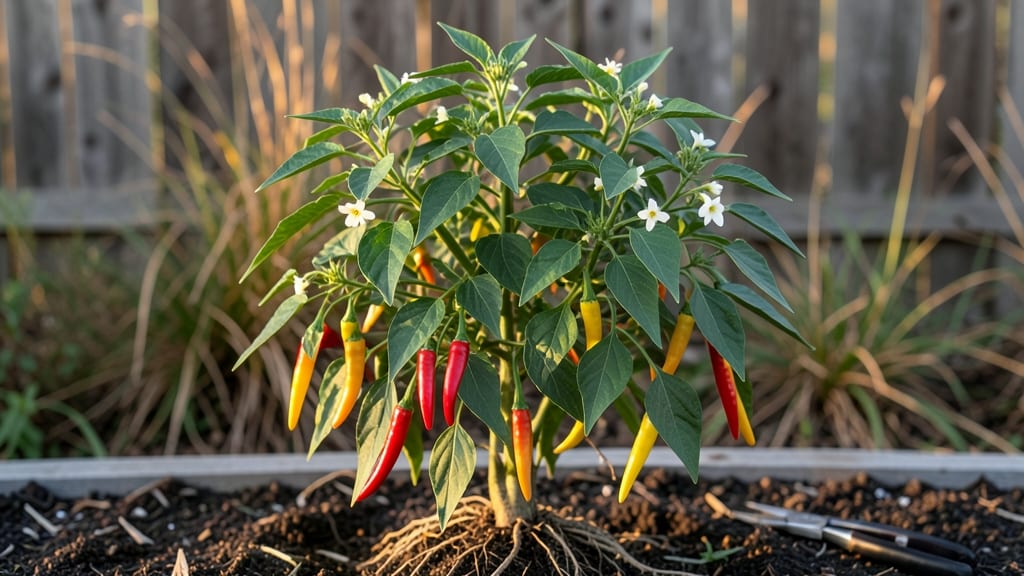
Growing cayenne peppers from seed to fiery harvest is one of the most rewarding gardening challenges you’ll ever tackle. 🌱 I’ve turned my backyard into a mini spice factory by mastering the heat-loving habits of these tiny but mighty plants, and the secret isn’t just patience—it’s knowing exactly when to push them and when to let them shine.
The key starts with soil that drains like a dream and stays warm enough to keep roots happy, even when the air cools. Cayennes thrive in full sun, but they’ll reward you with thick, glossy leaves and eventually those signature red pods if you give them consistent moisture—never soggy soil.
Containers work beautifully for small spaces, while in-ground beds give them room to spread their roots deeper.
By midsummer, you’ll be harvesting peppers that pack serious heat, perfect for drying, freezing, or fresh salsas.
The first few peppers might be small, but with proper care, each plant can produce 50-100 peppers per season, enough to stock your pantry and share with neighbors who love a little kick.
Whether you’re growing in pots or planting directly in the ground, the same principles apply—just adjust for space and sunlight. Here’s how to turn those tiny seeds into a harvest that’ll make your kitchen (and your spice rack) sing.
📚 In This Guide
- What you need
- Instructions
- Tips and common mistakes
- Wrapping up and next steps
What you need
- ● Cayenne pepper seeds: 10-20 seeds (choose heirloom or hybrid varieties like 'TAM Mild,' 'Carolina Cayenne,' or 'Jalapeño M' for milder heat)
- ● Seed-starting mix: 1-2 quarts of sterile, well-draining potting soil (avoid garden soil to prevent disease)
- ● Containers or seed trays: 2-4 biodegradable pots (3-4 inches deep) or a seed tray with cells (for seedlings)
- ● Grow lights or sunny windowsill: 12-16 hours of light daily (LED grow lights work great if natural light is limited)
- ● Fertilizer: Balanced liquid fertilizer (e.g., 10-10-10) for seedlings
- ● Low-nitrogen fertilizer (e.g., 5-10-10) once transplanted outdoors
- ○ Transplant pots (optional but helpful): 5-6 inch pots or biodegradable seedling cups for hardening off
- ● Garden bed or large containers: For in-ground planting: 12+ inches deep, well-draining soil with pH 6.0-6.8
- ● For container gardening: 5-gallon pots or larger (at least 12 inches deep) with drainage holes
- ● Mulch: Straw or black plastic mulch (to retain moisture and warmth)
- ○ Support (optional): Small stakes or cages (for taller varieties like 'TAM Mild')
- ● Heat mat: For faster germination (70-80°F is ideal)
- ● Pruning shears: For trimming leggy plants or removing suckers
- ● Row covers: Lightweight fabric to protect seedlings from pests or cold snaps
- ● pH test kit: To monitor soil acidity (cayennes thrive in slightly acidic soil)
- ● Drip irrigation or soaker hoses: For consistent moisture without overwatering
- ● Gloves: To handle spicy peppers safely (they can irritate skin!)
Step-by-Step instructions for growing cayenne peppers
Here's how to grow fiery cayenne plants that thrive in heat and reward you with bold harvests.
🌱 Step 1: Start Seeds Indoors Early for Strong Plants
Cayenne peppers need a long, warm season, so start seeds indoors 8-10 weeks before your last frost date. Use the seed-starting mix to fill small pots or seed trays, pressing it down lightly until firm. Cayenne seeds germinate best at 75-85°F, so place them on a seedling heat mat or in a warm spot.
Sow seeds ¼ inch deep—any deeper and they’ll struggle to reach the surface. Cover the pots with plastic wrap to retain moisture, then place them under a grow light (or in a sunny window) for 12-14 hours daily. Keep the soil consistently moist but not soggy; cayenne seedlings hate wet feet. You’ll see sprouts in 7-14 days—be patient if your home runs cooler.
☀️ Step 2: Harden Off and Transplant After Warmth Arrives
Once seedlings have 3-4 true leaves and are 4-6 weeks old, it’s time to harden them off. Move pots outside to a sheltered spot for 1-2 hours daily, gradually increasing exposure over 7-10 days. Watch for wilting—if leaves droop, they’re not ready for full sun yet.
Transplant outdoors only after soil temperatures reach 70°F and nighttime temps stay above 55°F. Bury seedlings slightly deeper than their original pots to stabilize stems. Space them 12-18 inches apart in well-draining soil—cayennes hate soggy roots. Mulch with straw to retain moisture and suppress weeds, but keep it 2 inches away from stems to prevent rot.
💧 Step 3: Water Deeply and Feed for Maximum Heat
Cayenne peppers thrive with 1-1.5 inches of water weekly, but let the top 1-2 inches of soil dry between waterings. Overwatering causes blossom-end rot, so check soil moisture with your finger—damp but not wet is ideal. Water at the base, avoiding leaves to prevent fungal diseases like powdery mildew.
Fertilize every 3-4 weeks with balanced fertilizer (10-10-10) once flowers appear. Cayennes are heavy feeders, but too much nitrogen makes them leafy and less spicy. Switch to a low-nitrogen, high-phosphorus fertilizer (like 5-10-10) when fruits form to boost heat production. You’ll notice stronger, redder peppers when you feed right.
✂️ Step 4: Prune and Harvest for Continuous Production
Pinch off early flowers if your cayennes look leggy—this encourages bushier growth. Once established, let them flower freely. Harvest peppers when they’re 3-5 inches long and fully red for maximum heat. Use clean pruners to snip stems, leaving a small portion attached to the plant. This encourages more branches and a longer harvest season.
If peppers turn yellow or drop prematurely, they’re thirsty or too hot. Move plants to partial shade if temps exceed 90°F and water more frequently. A single cayenne plant can yield 20-30 peppers per season—dry and crush them for homemade hot sauce, or freeze extras for later use.
Tips & tricks for perfect cayenne pepper growth
A few simple tricks will help your cayenne plants thrive and pack serious heat. Here's what I've learned from growing fiery plants that produce bold harvests every season.
Heat Matters: Cayenne seeds need that 75-85°F soil temperature to germinate properly. If your home stays cooler, consider using a seedling heat mat or placing pots on top of your refrigerator. I've seen germination rates drop by half when seeds sit in temperatures below 70°F—don't let that happen to your fiery friends!
Timing Secret: That 12-14 hours of light in Step 1 is non-negotiable for strong seedlings. If you don't have a grow light, place your seedlings in the sunniest window you have. South-facing windows work best, but supplement with a shop light if needed. I've had seedlings stretch painfully thin when they didn't get enough light—it's a heartbreaking sight!
Transplanting Wisdom: When hardening off your seedlings, start with just 1-2 hours daily and increase gradually. I learned this the hard way by moving mine out too quickly—they wilted dramatically and took a week to recover. Watch for wilting as your warning sign, and never rush this process.
Watering Strategy: The 1-1.5 inches of water weekly guideline is perfect, but timing matters too. Water in the morning so leaves have time to dry before evening. I've seen powdery mildew appear within days when plants stayed wet overnight—always water at the base and avoid getting foliage damp.
Pro Tips for Cayenne Pepper Gardening
- A few simple tricks will help your cayenne plants thrive and pack serious heat.
- Heat Matters: Cayenne seeds need that 75-85°F soil temperature to germinate properly.
- Timing Secret: That 12-14 hours of light in Step 1 is non-negotiable for strong seedlings.
Frequently asked questions
Got questions about growing cayenne peppers? You’re not alone!
Here are answers to the most common queries from gardeners—whether you're a first-timer or a seasoned pro looking to boost your harvest.
How long does it take for cayenne peppers to grow from seed?
Cayenne peppers typically take 70–90 days to mature from seed to harvest, depending on your climate and growing conditions. Start seeds indoors 8–10 weeks before your last frost for a head start. If you’re sowing directly outdoors, wait until soil temps reach 70°F+ and all frost risk has passed.
Can cayenne peppers survive frost?
Nope! Cayenne peppers are tropical plants and cannot tolerate frost. Even a light freeze will kill the plant. If frost is forecasted, harvest all peppers first and bring potted plants indoors. In cold climates, grow cayennes in containers for easy relocation or use row covers for short-term protection.
Why aren’t my cayenne peppers getting hot?
Heat levels drop when peppers don’t get enough sunlight (6+ hours/day), nutrients (especially nitrogen and potassium), or water (consistent moisture is key). Also, over-fertilizing with nitrogen can reduce spiciness—balance with phosphorus and potassium. Try a hotter variety like ‘Carolina Reaper’ or ‘Habanero’ if heat is your goal!
Can I save cayenne seeds from store-bought peppers?
Yes, but only if the pepper is organic and homegrown (store-bought seeds may be hybrid or treated). To save seeds: Let a ripe pepper dry on the plant, then scoop out the seeds, rinse, and dry them completely. Store in a cool, dark place for up to 2 years. Pro tip: Cross-pollination can happen, so isolate plants if you want pure varieties!
What pests should I watch for in cayenne plants?
Cayennes attract aphids, spider mites, and hornworms—keep an eye out for chewed leaves or sticky residue. Use neem oil or insecticidal soap for mild infestations. For hornworms, handpick them (they’re huge and easy to spot!). Encourage ladybugs—they’re natural pest predators!
Wrapping up and next steps
Growing your own cayenne peppers is a rewarding journey that brings bold flavor and fiery satisfaction to your kitchen! 🌶️ With the right location, soil, and care, you’ll soon be harvesting vibrant peppers packed with heat.
Whether you’re a seasoned gardener or just starting, every small step—like proper pruning or pest control—makes a difference.
Now that you’ve got the know-how, roll up your sleeves and plant those seeds! Start small, experiment with varieties, and soon you’ll be sharing your spicy harvest with friends—or daring them to take a bite. Happy gardening! 🌱✨