Planting
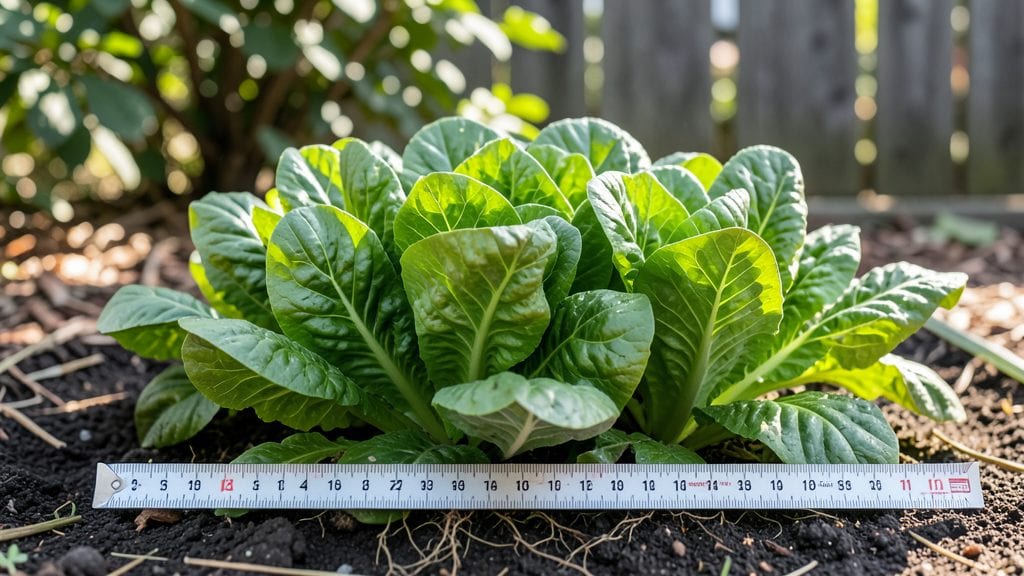
Spacing for garden plants depends on mature size, growth habit, and sunlight needs—typically 12 to 36 inches apart for herbs, 18 to 48 inches for vegetables, and 6 to 12 feet for trees. Check plant tags for exact spacing guidelines to ensure proper airflow and sunlight exposure.
Proper spacing isn't just about aesthetics—it's about giving each plant room to thrive. 🌱 Too little space leads to competition for nutrients and sunlight, while overcrowding invites pests and diseases.
I've learned the hard way that cramming plants together might save space now, but it often backfires with stunted growth or failed harvests. For example, leafy greens like lettuce can handle closer spacing (6-12 inches), while sprawling plants like pumpkins need 3-5 feet to spread comfortably.
Another key factor is how plants mature vertically. Tall varieties like sunflowers should face north to avoid shading shorter neighbors, while bushy plants benefit from wider spacing to prevent leaf-to-leaf contact.
Always consider your garden's layout—raised beds allow tighter spacing than in-ground planting, and containers need even more room for root development. The right spacing transforms a chaotic mess into a productive, low-maintenance garden.
💡 In This Article
- How Plant Growth Habits Affect Spacing Needs
- Garden Plant Spacing Cheat Sheet by Type
How plant growth habits affect spacing needs
The way plants grow determines how much room they need to avoid competing for resources. Plants with shallow root systems like lettuce or radishes can be spaced closer (4-6 inches) because their roots spread horizontally rather than deeply.
In contrast, deep-rooted plants like asparagus or dandelions need 12-24 inches to prevent root tangling, which stunts growth and makes harvesting difficult. The science here involves root zone competition—when roots intertwine, they create a nutrient-depleted "zone of exclusion" where water and minerals become scarce.
Above-ground growth habits matter just as much. Bush-type plants like tomatoes or peppers form compact canopies and typically need 18-24 inches of space to develop fully without shading neighbors. Vining plants like cucumbers or pole beans, however, require 3-5 feet of vertical support plus horizontal clearance for their sprawling tendrils.
What most gardeners don't realize is that canopy spread isn't just about width—it's about how plants block sunlight. A tomato plant's leaves can cast shade over an area twice its canopy diameter, which is why proper spacing prevents "shade stress" that reduces fruit production by up to 40%.
Sunlight requirements create another layer of complexity. Leafy greens like spinach thrive in partial shade and can be planted 6-8 inches apart, while sun-loving plants like basil need 10-12 inches to access full sunlight.
The key factor here is photosynthesis efficiency—crowded plants develop elongated stems (etiolation) as they stretch toward light, making them weak and prone to disease. Proper spacing ensures each plant gets 6-8 hours of direct sunlight daily, which directly correlates with yield and flavor development.
Airflow is the often-overlooked hero of plant spacing. When leaves brush against each other, humidity builds up, creating the perfect conditions for fungal diseases like powdery mildew or blight.
For example, zucchini plants need 3 feet of space not just for their sprawling vines, but to allow air to circulate and dry dew quickly. In humid climates, this can reduce disease incidence by 60-70%.
Even herbs like rosemary, which some gardeners pack tightly, benefit from 2-3 feet of spacing to prevent moisture-related rot at the stem base.
Consider how plants mature over time. A pepper plant might start at 12 inches but need 24 inches by harvest time as its branches fill out. This is why many gardeners use "mature size" as their spacing guide rather than seedling dimensions.
The same principle applies to trees—young fruit trees should be planted 15-20 feet apart, but mature varieties like apple trees need 25-30 feet to prevent root competition that reduces fruit quality and quantity.
One nuance worth noting is how spacing affects pollination. Wind-pollinated plants like corn need 12-18 inches between rows to ensure pollen transfer, while hand-pollinated plants (like squash) can be spaced more tightly if you're willing to manually assist.
The right spacing isn't just about individual plants—it's about creating an ecosystem where each species can contribute to the garden's overall health and productivity. 🌿