Size
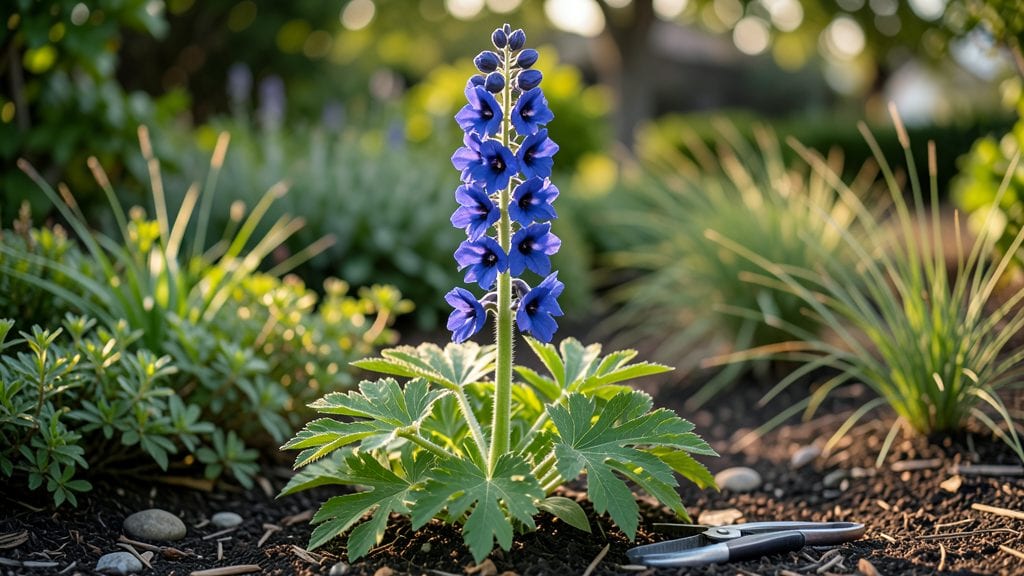
Incorporating tall garden plants into your landscape creates a vertical privacy screen that turns a fence or bare wall into a lush, ever-changing backdrop blocking views while adding drama.
I learned this the hard way after planting a row of sunflowers that flopped over by August—until I discovered the right mix of sturdy, season-long foliage plants that hold their structure and style.
The key is choosing plants that grow tall naturally, not just fast, so they don’t need constant staking or support.
Think sun-loving hollyhocks reaching 6 feet, ornamental grasses like Miscanthus swaying at 7 feet, or bamboo (clumping types, not invasive!) that stays dense and green year-round. These plants thrive in groups of three or five, spaced 18-24 inches apart for a full look within 2-3 years.
The trick is pairing them with shorter bloomers—like salvia or coneflowers—to add color without stealing the vertical impact.
By mid-summer, your screen will be a textured tapestry of deep greens, golden plumes, and occasional blooms, all while keeping neighbors’ eyes on their own side. The best part? These plants need minimal pruning—just a trim in early spring to shape things up.
Whether you’re lining a driveway or softening a chain-link fence, this combo works in full sun to partial shade, so it adapts to almost any spot.
Pro tip: Add a trellis or arbor for climbing roses or clematis to weave through the mix—it’s the cherry on top of a privacy solution that looks intentional, not like a chore. Let’s get your screen growing!
📚 In This Guide
- What you need
- Instructions
- Tips and common mistakes
- Wrapping up and next steps
What you need
- ● Tall, foliage-rich plants: 3–5 Bamboo (e.g., Fargesia or Phyllostachys) – 6–10 ft tall (clumping varieties recommended to avoid invasiveness).
- ● 3–5 Holly (Ilex spp.) – 8–12 ft tall (evergreen, dense foliage).
- ● 3–5 Arborvitae (Thuja spp.) – 10–15 ft tall (Thuja ‘Green Giant’ or ‘Emerald Green’).
- ● 3–5 Boxwood (Buxus spp.) – 4–6 ft tall (for layered texture, prune to shape).
- ● 1–2 Privet (Ligustrum spp.) – 10–15 ft tall (fast-growing, dense screen).
- ● Soil & amendments: 50 lbs high-quality garden soil (or potting mix for container options).
- ● 10 lbs compost or organic matter (for nutrient-rich soil).
- ● 5 lbs slow-release fertilizer (10-10-10 or balanced formula).
- ● Support structures: T-posts or wooden stakes (1–2 per plant, 6–8 ft deep).
- ● Landscape fabric (10 ft x 10 ft roll) – to suppress weeds and retain moisture.
- ● Garden twine or plant ties (50 ft roll) – for securing young plants.
- ● Tools: Shovel or spade (for digging holes).
- ● Pruners or shears (for trimming and shaping).
- ● Measuring tape (to ensure proper spacing).
- ● Gloves (to protect your hands).
- ● Watering can or hose with nozzle (for gentle watering).
- ● Mulch: 2–3 bags of wood chips or pine straw (to retain moisture and suppress weeds).
- ● Decorative elements: Garden stakes or labels (for plant identification).
- ● Solar-powered garden lights (to highlight your screen at night).
- ● Container gardening: Large pots or grow bags (15–20 gallons each, for smaller spaces).
- ● Drainage material (e.g., gravel or pots with holes).
- ● Pest control: Neem oil or insecticidal soap (for organic pest management).
How to design a vertical privacy screen using tall garden plants
Here's how I create a lush, year-round privacy barrier using carefully selected tall plants that thrive together.
Choose Complementary Tall Plant Species
For a season-long privacy screen, I pair evergreen shrubs with seasonal bloomers to maintain visual interest. Start with 4-6 tall evergreens like Arborvitae or Emerald Green Giant Arborvitae as your foundational plants—these provide year-round coverage and structural backbone. Supplement with deciduous trees like Amur Maple or Japanese Zelkova for height variation and fall color.
Add 3-4 flowering shrubs such as Butterfly Bush or Weigela to introduce seasonal blooms and attract pollinators. These plants should reach 8-12 feet tall at maturity to create an effective screen. Space them 6-8 feet apart to allow for natural spreading while ensuring full coverage. I always sketch a rough layout first to visualize the mature height and spread of each plant.
Prepare the Planting Site for Optimal Growth
Clear the area of weeds, rocks, and debris to create a clean planting zone. Test the soil pH—most tall privacy plants prefer slightly acidic to neutral soil (6.0-7.0). Amend the soil with 2-3 inches of compost mixed into the top 12 inches of soil to improve drainage and nutrient retention. This is especially important for tall plants, which have extensive root systems.
Dig planting holes twice as wide as the root ball but only as deep. This allows roots to spread naturally without being restricted. Place each plant in the hole, ensuring the top of the root ball sits level with the surrounding soil. Backfill with native soil mixed with a slow-release fertilizer to encourage strong root establishment. Water deeply immediately after planting to eliminate air pockets and settle the soil around the roots.
Install Support Structures for Early Growth
For the first 12-18 months, tall plants benefit from temporary support to encourage upright growth and prevent flopping. Install 3-4 wooden stakes or metal rods per plant, positioned 12-18 inches from the stem in a triangular formation. Use soft plant ties or fabric strips to secure the plant to the stakes without constricting the stem as it grows.
This support system is critical for plants like Amur Maple or Japanese Zelkova, which can develop weak stems when young. Check ties every 4-6 weeks and loosen them as the plant thickens. Remove supports entirely once the plant’s natural structure can hold itself upright, usually by the second growing season. Mulch the base with 2-3 inches of organic mulch to retain moisture and suppress weeds, keeping the area neat and reducing competition for nutrients.
Water and Fertilize for Rapid Establishment
Water newly planted tall shrubs deeply 2-3 times per week for the first 4-6 weeks, ensuring the soil is moist 12 inches down. After establishment, reduce watering to once weekly during dry spells, but always check the soil—top 2 inches should feel dry before watering again. Overwatering can lead to root rot, which is especially damaging to tall, deep-rooted plants.
Apply a balanced, slow-release fertilizer (10-10-10) at planting and again in early spring to fuel growth. Avoid high-nitrogen fertilizers, which promote leafy growth at the expense of structural strength. Instead, focus on phosphorus and potassium to encourage root development and disease resistance. Prune lightly in late winter or early spring to shape the plants and remove any dead or crossing branches, ensuring they develop a strong, open structure.
Maintain Seasonal Care for Long-Term Privacy
Prune flowering shrubs like Butterfly Bush or Weigela immediately after they bloom to encourage more flowers the following year. For evergreens, prune in late winter or early spring to shape the plant and remove any brown or diseased foliage. Use sharp, clean pruners to make cuts just above a bud or branch junction to promote healthy regrowth.
Monitor for pests like spider mites or aphids, which can stress tall plants. Treat infestations early with neem oil or insecticidal soap to avoid damaging the plant’s health. Mulch annually to maintain soil moisture and suppress weeds, and consider adding a layer of wood chips in late fall to protect roots from temperature fluctuations. With consistent care, your privacy screen will mature into a dense, lush barrier within 3-5 years, providing year-round privacy and beauty.
Tips & tricks for perfect tall garden plant privacy screens
A few strategic approaches will ensure your vertical privacy barrier thrives for years. The key lies in understanding how these tall plants interact with their environment and each other.
Plant Pairing Strategy: When selecting your 4-6 evergreens and 3-4 flowering shrubs, consider their mature heights and growth habits. Place taller evergreens like Emerald Green Giant Arborvitae at the back of your layout, while slightly shorter varieties can create visual layers. The Japanese Zelkova's fall color will complement the evergreens beautifully when positioned strategically. I've found that spacing the taller plants 6-8 feet apart creates natural gaps that the flowering shrubs can fill, ensuring complete coverage as they mature.
Soil Preparation Secret: The 2-3 inches of compost mixed into the top 12 inches of soil isn't just about nutrients—it's about creating the perfect environment for those extensive root systems. For clay-heavy soils, consider adding perlite to improve drainage, while sandy soils benefit from peat moss. I always test the soil pH before planting, as most tall privacy plants prefer that slightly acidic to neutral range (6.0-7.0). This foundational step prevents common issues like poor root establishment or nutrient deficiencies that can appear years later.
Support System Timing: The 12-18 month support period might seem long, but it's essential for developing strong stems, especially for plants like Amur Maple that can flop when young. I recommend using flexible plant ties rather than rigid ones, as the stems will thicken significantly during this period. The triangular stake formation provides stability from multiple angles, preventing the plant from developing a permanent lean. Remember to check those ties every 4-6 weeks—tight ties can girdle stems as plants grow.
Watering Wisdom: Those first 4-6 weeks of deep watering 2-3 times per week are critical, but the real test comes after establishment. I've seen many privacy screens fail because homeowners overwater once the plants appear established. Always check that top 2 inches of soil before watering—it should feel dry, not just the surface. For newly planted screens in hot climates, consider installing a drip irrigation system to deliver consistent moisture to those deep roots.
Pro Tips for Tall Garden Plants
- A few strategic approaches will ensure your vertical privacy barrier thrives for years. The key lies in understanding...
- Plant Pairing Strategy: When selecting your 4-6 evergreens and 3-4 flowering shrubs, consider their mature heights an...
- Soil Preparation Secret: The 2-3 inches of compost mixed into the top 12 inches of soil isn't just about nutrients—it...
Frequently asked questions
Got questions about choosing, planting, or maintaining tall garden plants for privacy? Here are some of the most common ones—plus the answers you need to create a lush, year-round screen!
What are the fastest-growing tall plants for quick privacy?
For rapid results, opt for Bamboo (some varieties grow 3–6 feet per year), Leyland Cypress (2–3 feet annually), or Hornbeam (2–3 feet). Just be sure to check local regulations—some bamboo types can spread aggressively!
How long does it take for tall plants to provide full privacy?
Most tall evergreens take 2–5 years to reach full height and density. Faster growers like Arborvitae or Thuja may offer partial privacy in 1–2 years, but plan for patience—season-long foliage is worth the wait!
Can tall garden plants survive in hot, dry climates?
Yes! Drought-tolerant options like Olive Trees, Yucca, or Russian Olive thrive in heat. For evergreens, Needle Palm or Dwarf Pines are excellent choices. Just mulch well and water deeply during establishment (first 1–2 years).
How do I prune tall plants without damaging them?
Prune in late winter or early spring before new growth starts. Use clean, sharp shears to avoid tearing branches. For evergreens, trim no more than 1/3 of the foliage per year. Focus on shaping the top and thinning interior branches for airflow.
What’s a good alternative if I don’t want permanent plants?
Consider fast-growing annuals like Sunflower or Corn for temporary height (6–12 feet!). For semi-permanent screens, try Bamboo Trellises or Climbing Roses on sturdy supports. Just note these won’t offer year-round coverage.
Wrapping up and next steps
Tall garden plants are a game-changer for adding privacy, beauty, and structure to your outdoor space—without sacrificing style! Whether you’re dreaming of lush evergreens or vibrant seasonal blooms, the right vertical screen can transform any area into a serene retreat. 🌿✨
Now that you’re armed with the best options, materials, and tips, it’s time to roll up your sleeves and get planting! Start small—pick one or two plants to test your newfound privacy haven, then expand as your confidence (and garden!) grows. Happy gardening!