Landscaping
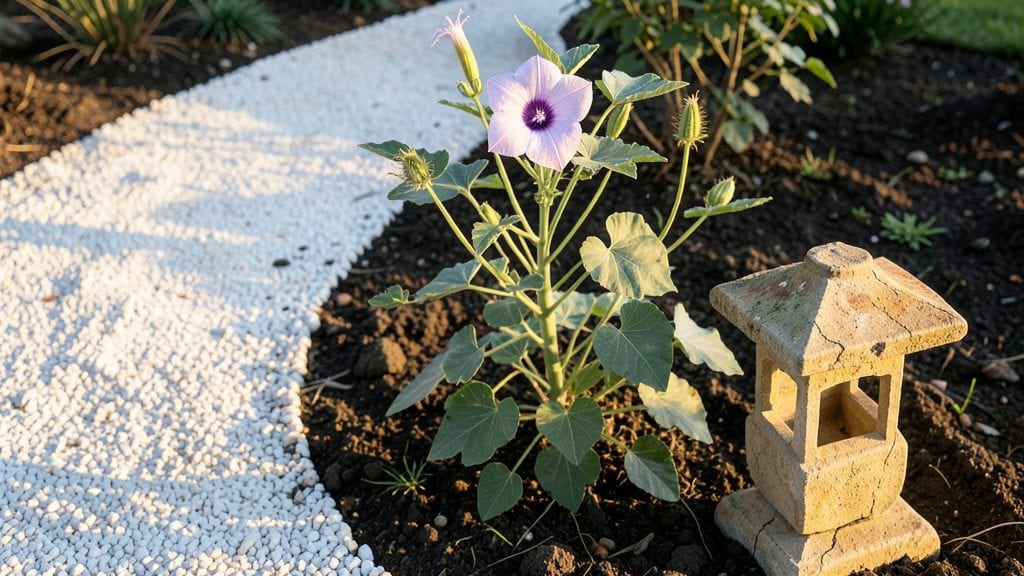
Moon garden designs transform your yard into a dreamy, silvery sanctuary that glows under moonlight. 🌙 I stumbled upon this idea after struggling with a dark corner that felt lifeless until I planted white blooms and silvery foliage—now it’s the most magical spot in my garden at dusk.
The key is layering plants that reflect light and thrive in shade, creating an ethereal atmosphere that feels like stepping into a fairy tale.
You’ll need a mix of night-blooming flowers like evening primrose, silvery foliage such as lamb’s ear or dusty miller, and fragrant plants like jasmine or gardenia to enhance the sensory experience.
Add subtle lighting with solar-powered path lights or string lights to highlight the silvery tones and guide visitors through the space. Even a simple stone pathway or curved bench invites you to linger and soak in the tranquility.
By summer, your moon garden will burst into creamy white blooms and shimmering leaves, while winter brings evergreen textures and frost-kissed foliage. The result? A space that feels alive and enchanting no matter the season, where the night sky becomes your backdrop. Ready to craft your own lunar retreat?
This design works in any yard—urban balconies, suburban backyards, or even container gardens on patios. The secret is playing with light, texture, and scent to create that moonlit magic. Let’s make your garden feel like a secret world after dark.
📚 In This Guide
- What you need
- Instructions
- Tips and common mistakes
- Wrapping up and next steps
What you need
- ● Moon-Loving Plants (10-20, depending on space): White flowers: Moonflower vine, White Lilies, White Snapdragons, or White Dahlias (3-5 plants)
- ● Silver foliage: Lamb’s Ear, Dusty Miller, or Silver Falls Dichondra (2-3 plants)
- ● Purple/blue blooms: Evening Primrose, Moonflower (purple variety), or Blue Lobelia (3-5 plants)
- ● Fragrant night-bloomers: Night-Scented Stock, Evening Stock, or Moonflower (1-2 plants)
- ● Soil Amendments: Well-draining potting mix or garden soil (5-10 bags, ~2 cubic feet each)
- ● Compost or organic matter (1-2 bags, for nutrient-rich soil)
- ● Containers or Garden Beds: Large pots (12-18 inches deep, 2-4 units) or
- ● A dedicated garden bed (4’x4’ minimum for a lush look)
- ● Mulch: Light-colored mulch (e.g., straw, pine bark, or gravel) to reflect moonlight (1-2 bags)
- ● Watering System: Drip irrigation or a watering can with a long spout (for deep watering)
- ● Garden trowel or hand shovel (for planting)
- ● Pruners or shears (for trimming and shaping)
- ● Gloves (to protect your hands from thorns or soil)
- ● Measuring tape (to plan spacing)
- ● Garden stakes or trellis (for climbing plants like Moonflower)
- ○ String or twine (to outline garden beds, optional)
- ● Solar-powered garden lights or string lights (for ambiance)
- ● Reflective pebbles or glass (to catch moonlight and add sparkle)
- ● Wind chimes or a small fountain (to enhance the serene atmosphere)
- ● Moon-themed decor (e.g., ceramic moons, star-shaped stones)
- ● Scented candles (lavender or vanilla for a cozy nighttime vibe)
Step-by-Step instructions for creating a moon garden
Let's craft a dreamy, night-blooming retreat that shines after dark.
🌱 Step 1: Choose the Perfect Location
Moon gardens thrive in spots with minimal artificial light interference. I always scout locations at dusk to see how natural light lingers—this helps me gauge where shadows will fall at night. A north or east-facing area often works best, as it receives soft evening light without harsh afternoon sun.
Look for a space that's naturally sheltered from strong winds, which can damage delicate night-blooming flowers. If your yard has a natural dip or low spot, that's ideal—it collects cooler air and creates a microclimate perfect for moon-loving plants. Just avoid areas where water pools after rain, as soggy soil invites root rot.
🌿 Step 2: Layer Plants by Height and Bloom Time
Start with your tallest plants at the back, typically 2-3 feet tall varieties like evening primrose or moonflower vines. These act as your garden's "spine" and draw the eye upward. Next, add mid-height plants (1-2 feet) such as night-scented stock or evening snapdragons to create visual interest.
For the front edge, use low-growing plants like moonflower ground covers or white alyssum. These create a soft, billowy base that contrasts beautifully with taller blooms. I always space plants 12-18 inches apart—close enough to create a lush effect but far enough to allow air circulation, which prevents fungal diseases common in humid night conditions.
☀️ Step 3: Incorporate Reflective and Glowing Elements
Moon gardens come alive with strategic lighting. Place solar-powered garden lights along pathways at 12-inch intervals to create a soft glow without overwhelming the natural beauty. I like to use warm white or soft blue lights that mimic moonlight—avoid bright whites, which can wash out the delicate colors of night-blooming flowers.
Add reflective surfaces like smooth river rocks or a small mirror placed among the plants. These catch and scatter light, making the garden appear larger and more magical. For extra enchantment, incorporate glow-in-the-dark paint on garden stakes or borders—it charges during the day and glows softly at night, creating a dreamy effect.
💧 Step 4: Mulch and Maintain for Year-Round Beauty
Spread 2-3 inches of organic mulch (like shredded bark or pine needles) over the soil to retain moisture and suppress weeds. This is especially important in moon gardens, where plants often have shallow roots and need consistent moisture to thrive. I always mulch after the soil has warmed in spring, giving roots time to establish before summer heat arrives.
Water deeply once a week during dry spells, focusing on the base of plants rather than overhead watering. This encourages roots to grow deeper and prevents fungal issues. In fall, reduce watering slightly as temperatures drop, but keep the soil lightly moist—this helps plants store energy for next year's blooms.
✂️ Step 5: Prune and Refresh Seasonally
After the first frost, cut back dead or damaged foliage to 2-3 inches above the ground. This keeps the garden looking tidy and prevents pests from overwintering in dead plant material. I always prune in late winter, just before new growth begins—this gives plants a clean start and encourages vigorous spring blooms.
Add fresh mulch in early spring to replenish nutrients and protect new growth. This is also a great time to divide any perennials that have spread too much, like evening primrose or moonflower. Simply dig up the clumps, separate the roots, and replant—your garden will thank you with even more dramatic nighttime displays next season.
Tips & tricks for perfect moon garden designs
Creating a moon garden that truly sparkles at night takes a few thoughtful tricks—here's how to elevate your design beyond the basics.
Location Intelligence: Scout your potential moon garden spot at dusk to observe how shadows move and where moonlight naturally pools. I've found that east-facing areas often create the most dramatic lighting effects because they capture the soft glow of the rising moon. Also consider how nearby trees or structures might cast shadows—position your tallest plants where they'll catch the most moonlight rather than where they'll be in perpetual shade.
Plant Layering Secrets: When arranging your 2-3 feet tall evening primrose or moonflower vines at the back, leave a 6-inch gap behind them to prevent them from crowding mid-height plants. I've noticed that this spacing creates a more dramatic visual drop-off, making the taller plants appear even more striking against the night sky. For the front layer, mix in some fragrant plants like night-scented stock—their evening blooms will add an extra sensory dimension to your moon garden experience.
Lighting Layering: For that magical glow, place your solar-powered garden lights not just along pathways but also at the base of taller plants. This creates upward illumination that makes flowers appear to float in moonlight. I like to alternate light colors—warm white near the center and soft blue along edges—to create depth. And here's a pro move: bury the solar panels slightly in the soil to hide them while still capturing sunlight during the day.
Seasonal Maintenance Strategy: In Step 4, when you're adding 2-3 inches of organic mulch, consider mixing in a slow-release fertilizer specifically formulated for night-blooming plants. This gives them the extra nutrients they need to produce those stunning evening blooms. I also recommend adding a thin layer of pea gravel around the base of plants—it reflects light upward while helping with drainage, which is crucial for preventing fungal issues in humid night conditions.
Pro Tips for Moon Garden Designs
- Creating a moon garden that truly sparkles at night takes a few thoughtful tricks—here's how to elevate your design b...
- Location Intelligence: Scout your potential moon garden spot at dusk to observe how shadows move and where moonlight ...
- Plant Layering Secrets: When arranging your 2-3 feet tall evening primrose or moonflower vines at the back, leave a 6...
Frequently asked questions
Got questions about creating your own moon garden? You’re not alone! Here are some of the most common inquiries—plus straightforward answers to help you bring your dream space to life.
What’s the best time of year to plant a moon garden?
A moon garden thrives with night-blooming plants like evening primrose, moonflower, or night-scented stocks, so plant them in early spring (after the last frost) or late summer for a fall display. For year-round magic, layer perennials with seasonal bloomers—just ensure soil temps are ideal (60°F+ for most).
Do I need a dark sky for a moon garden?
Not at all! While moon gardens glow best under moonlight, they’re stunning in twilight or even shaded areas. Use reflective mulch (like white gravel) or glow-in-the-dark plants (e.g., Actaea simplex) to enhance visibility. Just ensure your plants get 6+ hours of sunlight daily for healthy growth.
Can I mix flowers with foliage or herbs in a moon garden?
Pair fragrant herbs like lavender or mint with moonflowers for a sensory experience. Silver foliage (e.g., lamium) or variegated plants add texture. Just avoid overpowering scents—balance is key! Pro tip: Group plants by water needs to simplify care.
Why aren’t my moon garden plants blooming at night?
Most night-bloomers need full sun (6+ hours) to store energy for evening shows. If blooms are sparse, check for:
- Overcrowding (thin plants for airflow)
- Poor soil (amend with compost for nutrients)
- Pests (neem oil deters aphids)
Are there low-maintenance moon garden alternatives?
Yes! Opt for drought-tolerant plants like yarrow or sedum paired with night-blooming four o’clocks. Use self-watering containers or ground covers (e.g., ajuga) to reduce weeding. Mulch heavily to retain moisture—your garden will thank you!
Wrapping up and next steps
Moon garden designs transform any space into a dreamy, enchanting retreat—whether you crave soft moonlight reflections, fragrant night-blooming flowers, or serene textures for year-round beauty. 🌙✨ From selecting the right plants to layering lighting and materials, every detail contributes to a space that feels like a magical escape.
Ready to bring your vision to life? Start small—sketch a simple layout, gather a few key materials, and let your creativity shine! Your moon garden awaits—what will you plant first?