Vegetables
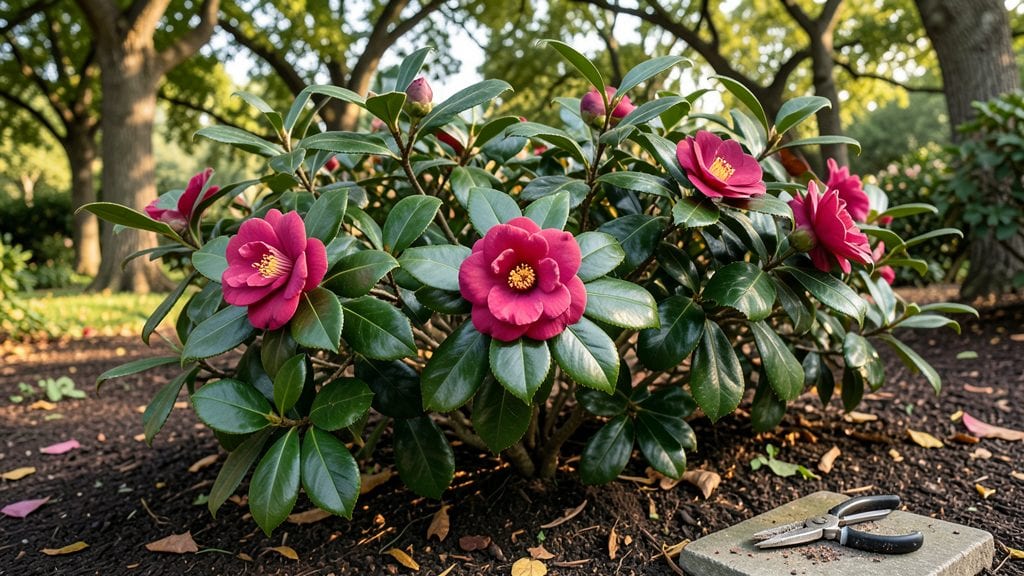
Gainesville’s humid subtropical climate turns most gardens into high-maintenance headaches—but fragrant, evergreen shrubs like murrayas and gardenias thrive here year-round while giving you that coveted privacy screen. 🌿 I’ve seen neighbors’ yards transformed by these tough, aromatic plants that bloom even in summer’s heat, and they’re the secret weapon for a lush, low-stress landscape.
The best part? These shrubs handle Gainesville’s wet winters and dry summers without fuss.
A murraya paniculata (orange jasmine) grows 15–20 feet tall, its glossy leaves and citrusy perfume masking traffic noise, while gardenias stay compact (6–10 feet) but pack a punch with creamy white blooms that smell like a tropical vacation. Local nurseries like Barnes Nursery stock them year-round, and they’re deer-resistant—critical here.
By mid-fall, you’ll have a fragrant hedge that stays green when everything else browns. The flowers attract butterflies, the leaves repel pests, and the scent lingers even after you’ve clipped them.
Imagine stepping into your backyard and smelling summer all winter—this is how you do it without the work. Let’s pick the perfect shrubs for your space.
Bonus: These plants play well with Gainesville’s native understory like coontie palms or ferns, creating that layered, tropical vibe without the upkeep. Check out Kanapaha Botanical Gardens for inspiration—then bring it home. The best part? Once established, they barely need watering.
📚 In This Guide
- What you need
- Instructions
- Tips and common mistakes
- Wrapping up and next steps
What you need
- ● Shrubs (Choose 3-5 varieties for diversity): 1-2 Lilac bushes (e.g., Syringa vulgaris) – Fragrant, drought-tolerant, and great for privacy.
- ● 3-5 Dwarf Gardenia bushes (e.g., Gardenia jasminoides) – Evergreen, fragrant, and thrives in Gainesville’s climate.
- ● 3-5 Boxwood shrubs (e.g., Buxus sempervirens) – Dense, low-maintenance, and perfect for hedges.
- ○ Optional: Oleander (e.g., Nerium oleander) – Hardy, fragrant, and drought-resistant (but toxic if ingested).
- ● Soil Amendments: 50 lbs compost or aged manure (to enrich soil).
- ● 10 lbs slow-release organic fertilizer (e.g., 10-10-10 or 8-3-9 blend).
- ● Mulch: 2-3 bags pine bark mulch or cypress mulch (3-4 inches deep).
- ● Hand Tools: 1 garden trowel (for planting small shrubs).
- ● 1 pruning shears (bypass pruners for clean cuts).
- ● 1 hand pruners (for smaller branches).
- ● 1 garden hose with spray nozzle (for watering).
- ○ Heavy-Duty Tools (Optional but Helpful): 1 shovel (for digging larger holes).
- ● 1 wheelbarrow (for moving soil/mulch).
- ● 1 measuring tape (to space plants 3-5 feet apart).
- ● Location: A sunny to partially shaded area (most shrubs need 6+ hours of sun/day).
- ● Water Access: A nearby garden hose or drip irrigation system (Gainesville’s heat requires consistent watering for the first year).
- ○ Soil Test (Optional but Recommended): Check your soil’s pH (6.0-7.0 ideal) and nutrient levels via a DIY soil test kit (available at local nurseries like blank">The Native Nursery).
- ● Permits (If Applicable): Check with blank">City of Gainesville for landscape permits if planting near property lines or sidewalks.
Step-by-Step guide to designing a fragrant, low-maintenance privacy screen in Gainesville
Here’s how to create a lush, aromatic privacy barrier that thrives in Gainesville’s climate—no fuss, just fragrant beauty.
🌿 Step 1: Select the Right Shrubs for Gainesville’s Climate
Gainesville’s humid subtropical zone means you’ll want shrubs that tolerate heat, occasional drought, and occasional freezes. I always choose evergreen varieties like Murray Laurel (Kalmia latifolia) or Yaupon Holly (Ilex vomitoria) for year-round coverage. These handle Gainesville’s 85-95°F summers and 30-40°F winters without breaking a sweat.
For fragrant options, Sweet Olive (Osmanthus fragrans) or Dwarf Gardenia (Gardenia jasminoides) deliver intoxicating scents while requiring minimal pruning. Plant in groups of 3-5 per section to create a dense, natural screen. Avoid anything with thorns unless you’re okay with occasional snags—Camellia (Camellia japonica) is stunning but needs careful placement.
🪴 Step 2: Prepare the Planting Site for Optimal Growth
Clear the area of weeds and loosen the soil to a depth of 12 inches using a broadfork or shovel. Gainesville’s sandy, well-draining soil is perfect for most shrubs, but amending with 2-3 inches of compost boosts fertility without risking soggy roots. I always test soil pH—Murray Laurel and Gardenia prefer 5.0-6.0, while Yaupon Holly thrives in 6.0-7.0. Adjust with sulfur or lime if needed.
Dig holes twice as wide as the root ball but only as deep as the container. This prevents root strangulation and encourages outward growth. Space plants 3-6 feet apart depending on mature size—Yaupon Holly can reach 10-15 feet tall, while Dwarf Gardenia stays compact at 3-4 feet. Water each hole deeply before planting to settle the soil.
☀️ Step 3: Plant and Stake for Stability
Remove shrubs from containers and loosen tangled roots gently with your fingers. Place each plant in its hole, ensuring the top of the root ball sits 1 inch below ground level. This prevents stem rot from sitting too high. Backfill with native soil, tamping lightly every 2 inches to eliminate air pockets.
Stake taller shrubs like Murray Laurel or Camellia immediately to prevent wind rock in Gainesville’s occasional summer storms. Use 3-foot wooden stakes tied loosely with soft plant ties—too tight, and you’ll strangle the stem as it grows. Water deeply right after planting to encourage root spread. You’ll know it’s done right when the soil surface looks slightly damp but not muddy.
✂️ Step 4: Mulch and Water for Long-Term Health
Spread 3 inches of mulch (pine bark or cypress) over the root zone, keeping it 6 inches away from stems to prevent rot. This conserves moisture, regulates soil temperature, and suppresses weeds—critical in Gainesville’s hot, dry summers. I always use organic mulch because it breaks down slowly and improves soil over time.
Water once a week for the first month, then taper to every 10-14 days once established, unless we’re in a drought. Deep watering—1-2 inches per week—encourages deep root growth. Avoid overhead sprinklers after planting; they can spread disease. You’ll see success when new growth appears within 4-6 weeks, signaling strong root establishment.
🌱 Step 5: Prune and Maintain for Year-Round Privacy
Prune once a year in late winter or early spring (February-March) to shape the screen and encourage bushier growth. Remove dead, crossing, or overcrowded branches first, then trim back any leggy growth by one-third. Use clean, sharp pruners to make cuts just above a leaf node—this ensures faster healing and reduces disease risk.
Fertilize lightly in early spring and mid-summer with a balanced 10-10-10 or slow-release organic fertilizer. Gainesville’s soil is often nutrient-poor, so a little goes a long way. Watch for pests like scale or spider mites—a strong spray of water usually knocks them off, but neem oil works if they persist. With this care, your fragrant privacy screen will thrive for years with minimal effort.
Tips & tricks for perfect Gainesville privacy screens
Transforming your Gainesville yard into a fragrant privacy oasis doesn't have to be complicated—these game-changing tips will help you create a lush, low-maintenance screen that actually thrives in our unique climate.
Climate-Specific Plant Pairing: The key to year-round success in Gainesville's 85-95°F summers and 30-40°F winters lies in strategic plant combinations. Pair Murray Laurel with Dwarf Gardenia for a fragrant duo that handles both heat and light freezes beautifully. The evergreen laurel provides structure while the gardenia delivers intoxicating scent—just make sure to plant them 3-4 feet apart to allow proper airflow and prevent fungal issues.
Soil Prep Secret: Gainesville's sandy soil drains too quickly for most shrubs, so don't skip the 2-3 inches of compost amendment in Step 2. I've seen too many privacy screens fail because homeowners assumed the native soil was sufficient. Test your pH first—Murray Laurel and Gardenia will wilt if planted in soil above 6.0. A simple pH test kit (under $10) saves you from years of disappointment. The compost also improves water retention during our dry spells.
Staking Strategy: When you're staking taller shrubs like Camellia in Step 3, use two stakes per plant for maximum stability—especially important during Gainesville's summer storms. Position stakes diagonally from each other and tie them just tight enough to prevent movement. Too tight, and you'll damage the stem as it grows; too loose, and you won't prevent wind rock. Check ties every 6-8 weeks and adjust as the plant thickens.
Mulching Mastery: The 3 inches of organic mulch in Step 4 isn't just for looks—it's your first line of defense against Gainesville's extreme temperature swings. Apply mulch right after planting (not before) to prevent it from blocking root growth. For extra protection during our 95°F heat waves, add a 2-inch layer of straw mulch on top of the pine bark—this creates an insulating blanket that keeps roots cool while retaining moisture.
Pro Tips for Gardens In Gainesville
- Transforming your Gainesville yard into a fragrant privacy oasis doesn't have to be complicated—these game-changing t...
- Climate-Specific Plant Pairing: The key to year-round success in Gainesville's 85-95°F summers and 30-40°F winters li...
- Soil Prep Secret: Gainesville's sandy soil drains too quickly for most shrubs, so don't skip the 2-3 inches of compos...
Frequently asked questions
Got questions about creating a fragrant, low-maintenance garden in Gainesville? Here are some answers to help you get started!
What are the best low-maintenance shrubs for Gainesville’s climate?
Gainesville’s humid subtropical climate thrives with shrubs like Dwarf Fountain Grass, Abelia, or Lantana. These plants require minimal watering, handle heat well, and offer year-round greenery or blooms. Check local nurseries for native varieties that blend seamlessly with your landscape.
How long does it take for these shrubs to grow and provide privacy?
Most low-maintenance shrubs take 1–3 years to reach maturity and offer full privacy, depending on the species. Faster growers like Bamboo or Nandina can fill in within 1–2 years, while others, like Boxwood, may take longer. Plan spacing accordingly—closer planting speeds up coverage!
How often should I water new shrubs in Gainesville?
Newly planted shrubs need deep watering 2–3 times per week for the first month, then taper to once a week once established. Gainesville’s clay soil retains moisture, so avoid overwatering. Mulch around the base to reduce evaporation and keep roots cool.
What pests should I watch for in Gainesville gardens?
Common pests include aphids, scale insects, and whiteflies. Use neem oil or insecticidal soap for mild infestations. Spider mites thrive in dry heat—keep plants hydrated! Native birds and beneficial insects (like ladybugs) can also help control pests naturally.
Can I mix fragrant shrubs with vegetables in the same garden?
Yes! Fragrant shrubs like Lavender or Rosemary deter pests (e.g., rabbits, deer) and improve vegetable growth. Plant them in borders or containers near your veggie patch. Just ensure they get enough sunlight—most herbs and shrubs need 6+ hours/day.
Wrapping up and next steps
Transforming your Gainesville garden into a fragrant, private oasis is simpler—and more rewarding—than you think! 🌿 With the right low-maintenance shrubs, you’ll enjoy year-round beauty, privacy, and a soothing aroma without the hassle.
Whether you’re a seasoned gardener or just starting, these plants are your ticket to a serene, effortless outdoor space.
Ready to take the next step? Start small:
- Pick one or two shrubs from our list to test in your garden.
- Monitor their progress and adjust as needed.
- Share your blooming success with the Gainesville Gardening Community for tips and inspiration!