
Pests
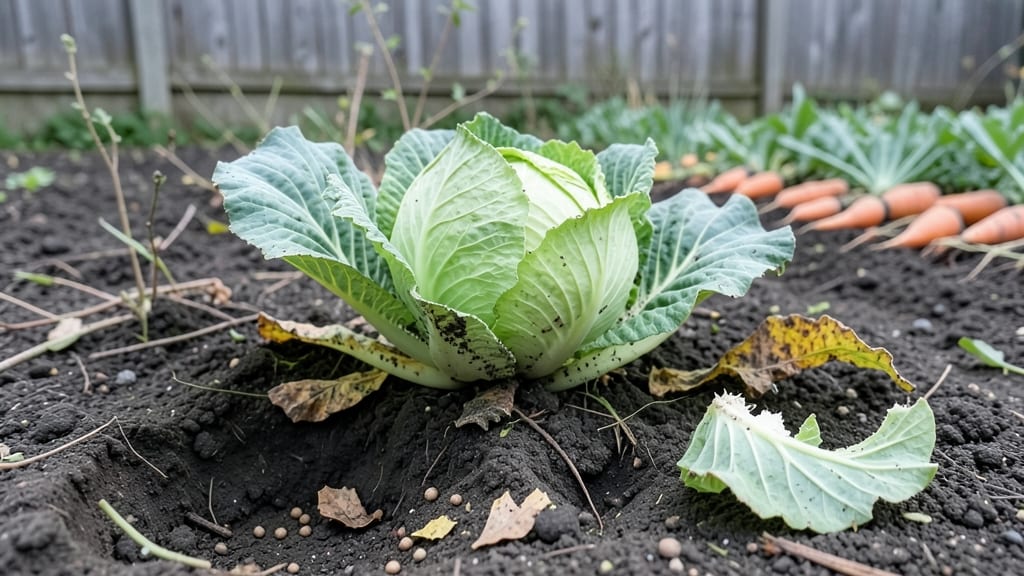
Spotting rat signs in your garden starts with knowing what to look for—gnawed plants, tiny droppings, and burrows you might miss at first glance. 🌱 I learned the hard way when my strawberry patch vanished overnight, leaving behind telltale clues that revealed the culprits.
These pests don’t just nibble—they destroy roots, chew through irrigation lines, and contaminate soil with disease.
The first giveaway is their droppings, which look like tiny, dark pellets about the size of a kidney bean. Check under mulch, near storage sheds, or along fence lines where they nest.
Then there are the gnaw marks—clean, jagged bites on fruits, seeds, or even wooden stakes. Rats also create runways through grass or dig shallow burrows near dense plantings.
Once you confirm they’re there, the good news is you can outsmart them. Humane traps with peanut butter work better than poison, and habitat tweaks—like removing brush piles or securing trash—make your garden less inviting. With the right approach, you’ll reclaim your plot without harming other wildlife or your plants.
This works for vegetable gardens, fruit trees, and even ornamental beds. The key is acting fast before they multiply. Let’s tackle this step by step—your harvest depends on it.
Root Causes of Garden Rodents
Rats and mice don’t just wander into your garden by accident—they’re drawn by a mix of food, shelter, and survival instincts. Understanding why these pests invade helps you take targeted action to keep them out. Below, we break down the key triggers, backed by science and real-world behavior.
Rats and mice are opportunistic omnivores, meaning they’ll eat almost anything—especially if it’s easy to access. Your garden likely offers a buffet without you realizing it:
- Unsecured compost piles: Decaying organic matter (fruit scraps, veggie peels, coffee grounds) releases volatile organic compounds (VOCs) that rats detect from up to 100 feet away. A study in Journal of Chemical Ecology found rats use their Jacobson’s organ (a sensory pit in their mouths) to "taste" airborne chemicals, making compost a high-risk hotspot. 🥔🍄
- Fruit trees and berry bushes: Overripe or fallen fruit (especially citrus, apples, and grapes) ferments, creating a sugar-rich feast that rats can’t resist. Mice, meanwhile, gnaw on unharvested crops like corn, beans, and squash—even if the plants are still growing. 🍇🍎
- Pet food left outdoors: A single bowl of kibble or wet food can attract rats within hours. Research shows rats can double their body weight in 24 hours when food is abundant, making them more aggressive in foraging. 🐶🍖
- Bird feeders and fallen seeds: Spilled seed from feeders creates scatter-feeding opportunities, while seed caches (hidden by birds) become rat buffets. Mice, in turn, chew through seed packets stored in sheds or garages. 🐦🌾
Pro Tip: Rats have teeth that grow 4–5 inches per year—they gnaw constantly to wear them down. If food is available, they’ll chew through plastic, wood, and even concrete to access it. 🔥
Rats and mice need dry, dark, and secluded spaces to nest, especially during cold or wet weather. Your garden likely provides the perfect hideouts:
- Piles of debris or wood: Leaf litter, mulch, or stacked firewood create ideal nesting material. Rats weave grass and shredded paper into nests, while mice prefer small, enclosed spaces like hollow logs or gaps in fences. 🌿🪵
- Gaps in structures: Mice can squeeze through holes as small as ¼ inch, while rats need gaps of 1–2 inches. Common entry points include:
- Vents in sheds or greenhouses
- Loose siding or gaps under decks
- Unsealed foundation cracks in garden buildings
- Thick vegetation: Dense shrubs, ivy, or tall grass provide cover for movement and protection from predators (like cats or owls). Rats use these as "highways" to avoid open areas where they’re more visible. 🌱🐀
Science Note: Rats are nocturnal and avoid open spaces during the day—this is why you might not see them until they’ve already established a nest. Mice, however, are crepuscular (active at dawn/dusk), making them harder to spot but just as destructive. 🌙🕯️
Rats and mice are highly sensitive to environmental changes, and your garden’s seasonal shifts can accelerate infestations:
- Cold weather: When temperatures drop below 40°F (4°C), rats seek insulated nesting sites to conserve body heat. This is why infestations peak in fall and winter, as they migrate from fields into warmer structures. 🥶❄️
- Heavy rain or drought:
- Rain: Flooding forces rats out of burrows, making them scavenge for higher ground (like sheds or compost bins).
- Drought: Dry conditions reduce natural food sources (like insects or seeds), pushing rats toward gardens where water and food are more reliable. 💧🌞
- Harvest season: When you’re pulling crops (like tomatoes or carrots), rats and mice target leftover roots and fallen produce. Studies show rats can consume up to 20% of a crop if left unprotected. 🍅🥕
Key Insight: Rats are highly intelligent and adapt quickly to seasonal changes. If you notice increased activity in one season, it’s often a sign they’ve found a reliable food or shelter source. 🧠🔍
Even well-maintained gardens can become rat magnets due to unintentional human behaviors. Here’s how you might be helping them:
- Improper waste disposal: Open trash cans (especially with meat, dairy, or grease) are a direct invitation. Rats can jump up to 3 feet vertically and swim to reach floating debris. ♻️🗑️
- Overwatering plants: Damp soil and mulch create moisture-rich nesting material. Rats prefer humidity levels between 60–80%, making soggy gardens ideal. 💦🌱
- Ignoring pet waste: Dog or cat feces contain protein and fats that rats find irresistible. A single scoop of unearthed waste can attract them within minutes. 🐕💩
- Storing firewood against structures: Wood piles act as bridges for rats to move between your house and garden. They’ll chew through bark to access the inner layers for nesting. 🪵🏠
Warning Sign: If you’ve recently added compost, planted new crops, or stored tools/supplies outdoors, rats may have new reasons to stick around. 🚨🐀
Eliminate Garden Rats Fast
Finding signs of rats in your garden is unsettling, but the good news is that you can tackle the problem effectively with the right strategies. Rats thrive on easy access to food, shelter, and nesting spots, so addressing these root causes is key.
Below, we’ve mapped out practical solutions tailored to the most common rat triggers—whether it’s gnawed plants, droppings, or burrows. Follow these steps to reclaim your garden and keep those unwelcome visitors away for good.
Rats are notorious for feasting on fruits, vegetables, and even young seedlings. If you spot irregular bite marks or missing produce, act quickly to stop the damage.
🍳 Secure Food Sources Immediately
- 👨🍳 Harvest ripe produce daily – Don’t leave fallen fruits or veggies on the ground overnight; rats will find them.
- 🥘 Store compost bins properly – Use a sealed, rodent-proof bin and avoid adding meat or dairy scraps.
- 🔪 Remove pet food – If you feed outdoor pets, pick up bowls after meals or switch to indoor feeding.
🌱 Protect Young Plants
- 🛡️ Use hardware cloth or wire mesh – Wrap vulnerable plants (like tomatoes or peppers) with fine mesh to block gnawing.
- 🌟 Plant rat-deterrent herbs – Marigolds, mint, and basil can mask scents that attract rats. Bonus: They’re great for cooking too!
- 🌡️ Set up motion-activated sprinklers – These startle rats without harming them, encouraging them to leave the area.
Rat droppings and shredded nesting materials (like paper or fabric) are red flags for an active infestation. Sanitation is your first line of defense.
⏰ Remove Droppings Safely
- 🧤 Wear gloves and a mask – Rat droppings can carry diseases like Hantavirus or Leptospirosis. Never touch them bare-handed.
- 🧼 Disinfect the area – Use a bleach solution (1 part bleach to 10 parts water) to clean contaminated spots.
- 🗑️ Dispose of droppings in sealed bags – Place them in a trash bin with a tight lid and wash your hands thoroughly.
🏡 Eliminate Nesting Spots
- 🪟 Seal entry points – Check for gaps in sheds, fences, or foundations (even a dime-sized hole is enough for a rat!). Use steel wool and caulk to block access.
- 🪑 Remove clutter – Piles of wood, rocks, or dense shrubs provide perfect hiding spots. Keep your garden tidy and trim overgrown vegetation.
- 🔦 Install outdoor lighting – Rats are nocturnal and dislike bright lights. Motion-sensor lights near entry points can deter them.
If you’ve spotted fresh dirt mounds or heard scratching underground, rats may be nesting beneath your garden. Addressing burrows requires a two-pronged approach: sealing and deterring.
🏗️ Seal Off Burrow Entrances
- 🧱 Fill burrows with hard materials – Pour concrete or gravel into active holes to collapse them. Avoid using soil, as rats will just dig elsewhere.
- 🛡️ Install hardware cloth barriers – Bury a 2-foot-deep mesh barrier around garden beds to prevent new burrows from forming.
- 🌱 Relocate soil strategically – If burrows are near plants, redirect the displaced soil to create a raised bed, making it harder for rats to dig back in.
🌿 Use Natural Deterrents
- 🌿 Plant thorny bushes – Roses, pyracantha, or blackberry brambles create natural barriers rats avoid.
- 💡 Try predator urine – Soak cotton balls in predator urine (available at garden stores) and place them near burrows. The scent mimics foxes or coyotes, scaring rats away.
- 🎯 Set humane traps – If you prefer not to use poison, snap traps or live traps baited with peanut butter can catch rats without harming them.
Once you’ve evicted the rats, take these steps to ensure they don’t return:
- 🌡️ Regularly inspect your garden – Check for new droppings, gnaw marks, or burrows every few weeks.
- 🍎 Avoid overwatering – Damp soil attracts insects, which in turn attract rats. Water plants at the base to minimize standing water.
- 🎯 Store firewood and mulch properly – Keep stacks of wood elevated and off the ground, and use mulch sparingly near plant bases.
- 🐶 Consider natural predators – Encourage owls or cats (if you’re comfortable with pets) to patrol your garden—their presence alone can deter rats.
With persistence and the right tactics, you can turn your garden back into a rat-free paradise. Start with the most obvious signs, address the root causes, and stay vigilant to keep those pesky rodents out for good. Your plants—and your sanity—will thank you!
Frequently asked questions
What do rat droppings in my garden actually look like?
Rat droppings are small, dark, and capsule-shaped—about ½ inch long and ¼ inch wide, resembling tiny kidney beans. They’re usually found in clusters near food sources, along fence lines, or in dark corners of sheds. Mouse droppings are much smaller (¼ inch) and more pointed.
Can rats really chew through plastic or metal garden containers?
Rats have constantly growing teeth and can gnaw through thin plastic, soft metal, and even ½-inch plywood to access food or nesting spots. Check for clean, jagged bite marks—rats don’t tear like squirrels, they slice through materials with precision.
How do I tell if those tracks in my soil are from rats or rabbits?
Rat tracks show five toes on the front paws and four toes on the back, with claw marks visible. Rabbit tracks have four toes on all feet and leave a hopping pattern. Look for tiny drag marks (rats pull food) or scattered droppings near the tracks to confirm.
Are there any plants that naturally repel rats from my garden?
Yes! Plant marigolds, mint, or lavender near vulnerable areas—their strong scents mask food odors rats follow. You can also try castor oil-based sprays (mix 2 tablespoons with 1 gallon water) and reapply after rain. Rats avoid these smells while beneficial insects tolerate them.
What’s the best time of day to check for rat activity?
Early morning (dawn) or late evening (dusk) are prime times—rats are most active then. Look for fresh droppings, disturbed mulch, or chewed plants. Use a flashlight to spot their shiny black eyes reflecting light if they’re nearby.