
Companion Plants
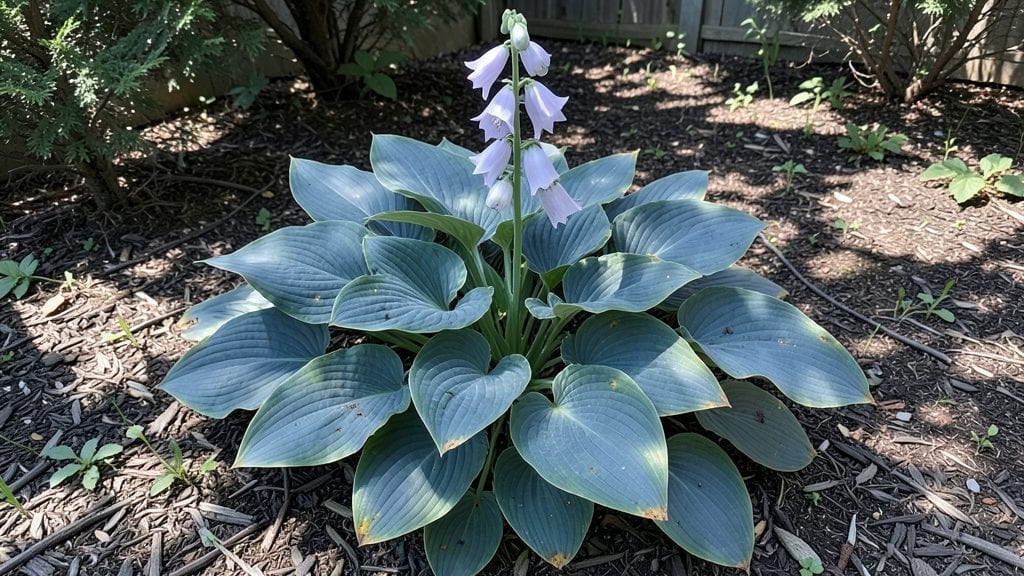
Shady garden plants don’t mean dull or boring—my shadiest corner now bursts with lush ferns, velvety hostas, and delicate impatiens that thrive where others struggle. The key isn’t fighting the shade; it’s working with it by choosing plants that love the cool, dappled light and layering them for maximum impact.
You’ll need a mix of tall plants like astilbes for height, mid-height hostas for texture, and ground covers like sweet woodruff to fill gaps. Soil stays moist in shade, so well-draining, organic-rich soil keeps roots happy without waterlogging.
A little mulch helps too—it keeps moisture in and weeds out while giving your plants a polished look.
By summer’s end, you’ll have a vibrant understory that feels alive, not neglected. The ferns unfurl into feathery green clouds, hostas develop deep burgundy centers, and impatiens bloom in cheerful clusters. It’s the kind of garden that makes neighbors pause and ask, “What’s your secret?”
Works for small patios, woodland edges, or the north side of your house. Let’s turn that shady spot into your garden’s hidden gem—without sacrificing beauty or ease.
📚 In This Guide
- What you need
- Instructions
- Tips and common mistakes
- Wrapping up and next steps
What you need
- ● Shady garden plants: Choose from hostas, heucheras, ferns, astilbes, or bleeding hearts (3–5 plants per square foot, depending on size).
- ● High-quality potting soil: 1–2 bags (50 lbs each) of well-draining, organic soil (e.g., Miracle-Gro Garden Soil or Espoma Organic Potting Mix).
- ● Compost or organic fertilizer: 1 bag (20–40 lbs) of worm castings or balanced 10-10-10 fertilizer for nutrient boost.
- ● Mulch: 1–2 bags (2–3 cubic feet) of pine bark nuggets or shredded cedar mulch to retain moisture.
- ● Garden gloves: 1 pair (nitrile-coated for durability).
- ● Hand trowel: 1 lightweight, ergonomic model (e.g., Fiskars Steel).
- ● Watering can or hose with a gentle spray nozzle: For precise hydration.
- ● Pruners: 1 pair of bypass pruners (for clean cuts).
- ● Garden stakes or markers: To label plants and track progress.
- ● Slow-release fertilizer spikes: For hassle-free feeding.
- ● Drip irrigation system: Automates watering (great for busy gardeners!).
- ● Decorative stones or pebbles: Adds a polished touch to borders.
- ● Shade cloth (if partial sun): Adjustable coverage for flexibility.
Step-by-step guide to thriving shady garden plants
Transform your dim corners into vibrant spaces with these proven techniques for shade-loving plants.
Select the Right Plants for Your Shade Level
Not all shade is equal—identify whether your space gets dappled shade (filtered sunlight) or deep shade (little to no direct light). For dappled areas, try hostas, ferns, or astilbes, which tolerate some light but still need moisture. In deep shade, focus on heucheras, lungwort, or Japanese painted ferns, which thrive with minimal light exposure.
I always check the plant tag for light requirements before buying. If it says "partial shade", it can handle 3-6 hours of morning sun—perfect for north-facing or heavily treed yards. For "full shade", avoid sun-loving plants like daylilies or lavender, which will quickly wilt in low light.
Amend the Soil for Better Drainage and Nutrients
Shady soil often stays damp longer, which can lead to root rot. Mix 2-3 inches of compost into the top 12 inches of soil to improve aeration and fertility. I use a garden fork to loosen compacted areas before blending in the compost—this prevents waterlogging while giving roots room to spread.
For heavy clay soil, add a handful of perlite or coarse sand per square foot to help excess moisture drain. Test the soil’s moisture by squeezing a handful—if it stays clumped for more than 10 seconds, it’s too dense. Shady plants prefer soil that feels moist but not soggy when touched.
Plant at the Correct Depth and Spacing
Dig a hole twice as wide as the root ball but only as deep as the container’s base. This prevents burying the stem, which can cause rot. Gently remove the plant from its pot and tease apart any circling roots—this encourages outward growth instead of a tangled mass.
Space plants according to their mature size. For example, hostas need 2-3 feet apart, while heucheras can handle 18-24 inches. Crowding leads to competition for nutrients and increases disease risk. After planting, water deeply to settle the soil and remove air pockets around the roots.
Mulch to Retain Moisture and Regulate Temperature
Spread 2-3 inches of organic mulch, like shredded bark or leaf mold, around each plant, keeping it 2 inches away from the stem. This layer locks in moisture, reducing how often you need to water. I always use dark-colored mulch because it absorbs heat slightly, which helps in cooler shade gardens.
Replenish mulch annually in spring, as it breaks down over time. Avoid piling mulch too high—this can suffocate roots and attract pests. A light, even layer is all you need to keep soil consistently moist without smothering your plants.
Water Consistently Without Overdoing It
Shady plants need 1-1.5 inches of water per week, but check the soil first—top 2 inches should feel slightly dry before watering again. I use a soaker hose to deliver water slowly at the base, avoiding wet leaves, which can lead to fungal issues.
Morning watering is best—it gives plants time to dry out during the day. If your shade is very dense, you might need to water every 5-7 days, depending on rainfall. Yellowing leaves usually mean too much water, while crispy edges signal underwatering. Adjust based on what you see.
Tips & tricks for thriving shady garden plants
A few simple strategies can transform your shady garden from lackluster to lush. Here's what I've learned after years of trial and error with shade-loving plants.
Light Assessment is Everything: The 3-6 hours of morning sun mentioned for partial shade plants is crucial. I recommend testing your space throughout the day—set up a white cloth in different spots and observe how much light it gets. North-facing areas often get less than 3 hours, while east-facing spots might get more. This helps you determine whether to plant hostas (3-6 hours) or heucheras (full shade).
Soil Test Before Amending: Before adding the 2-3 inches of compost to your 12-inch soil depth, do a simple squeeze test. If your soil stays clumped for more than 10 seconds, it's too dense. In this case, mix in a handful of perlite per square foot—this improves drainage without altering the soil's natural structure. I've found that adding too much perlite can actually create air pockets that roots can't penetrate.
Root Ball Handling Technique: When removing plants from their pots in Step 3, I've learned to gently squeeze the sides of the container first. This helps loosen the root ball without damaging delicate roots. For container-grown plants, run your finger around the inside edge of the pot to separate the root ball from the container walls before lifting it out. This prevents root circling, which can strangle your plants as they grow.
Mulch Color Matters: While the 2-3 inch layer of dark-colored mulch is perfect for heat absorption in cooler shade gardens, light-colored mulches actually reflect heat. If your shade garden gets any direct afternoon sun, consider using a lighter mulch like pine straw. This small change can prevent overheating of plant roots during those brief sunny periods.
Pro Tips for Shady Garden Plants
- A few simple strategies can transform your shady garden from lackluster to lush.
- Light Assessment is Everything: The 3-6 hours of morning sun mentioned for partial shade plants is crucial.
- Soil Test Before Amending: Before adding the 2-3 inches of compost to your 12-inch soil depth, do a simple squeeze test.
Frequently asked questions
Got questions about thriving plants in shady spots?
You’re not alone! Here are some of the most common concerns—and their easy fixes—to help you create a lush, low-light garden without the guesswork.
What are the fastest-growing plants for shady gardens?
For quick results, try Hosta, Astilbe, or Ferns—they spread and fill space fast. Caladiums and Impatiens also grow rapidly but may need occasional pruning to stay tidy. Pro tip: Start with tubers or young plants for instant impact!
How long does it take for shady plants to establish?
Most shade-loving plants take 4–8 weeks to show initial growth, but full establishment (rooting and foliage) can take 3–6 months. Slow growers like Hellebores may take longer but reward you with years of blooms. Patience pays off!
Can I grow vegetables or herbs in shady spots?
Opt for Leafy greens (like spinach or lettuce), Radishes, or Herbs such as cilantro, parsley, and mint—they thrive with 4–6 hours of indirect light. Avoid heavy feeders like tomatoes or peppers; they need full sun.
Why are my shady plants turning yellow or wilting?
Yellowing leaves often signal overwatering or poor drainage. Wilting could mean underwatering or root-bound conditions. Check soil moisture (it should feel damp, not soggy) and ensure pots/drainage have holes. Fungal issues? Space plants for airflow!
What’s a low-maintenance alternative to ferns?
If ferns feel high-maintenance, try Lungwort (Pulmonaria) or Lamium—both handle shade well and require minimal care. Heuchera (coral bells) adds vibrant foliage with almost no fuss. Bonus: They’re deer-resistant too!
Wrapping up and next steps
Transforming your shady garden into a thriving oasis is easier than you think! 🌿 With the right shady garden plants—like ferns, hostas, and astilbes—you can create a lush, low-maintenance space that feels alive and vibrant.
Whether you’re working with a tiny balcony or a cozy backyard corner, these plants prove that shade doesn’t mean sacrifice.
Ready to take the next step? Start small: Pick one or two plants from our list, test your soil, and give them the love they deserve. Before you know it, your shady spot will be the envy of the neighborhood! Happy planting! 🌱