
Fertilization
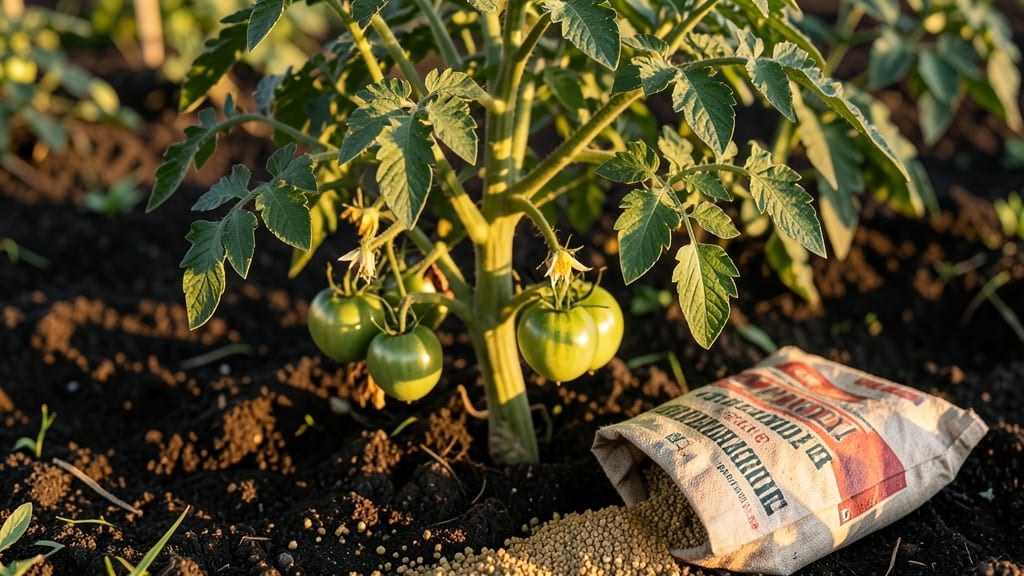
My garden fertilizing tips start with one simple truth: healthy soil grows stronger plants, and the difference between a struggling garden and a thriving one often comes down to what you feed it.
I’ve learned that throwing down fertilizer isn’t enough—it’s about understanding what your plants really need, when they need it, and how to give it to them without burning the roots.
Most gardeners overlook soil testing, but it’s the foundation of smart fertilizing. A basic test kit reveals pH levels and nutrient deficiencies, so you’re not guessing whether your tomatoes need more nitrogen or your roses need phosphorus.
I’ve seen gardens transform when people stop fertilizing blindly and start feeding their soil intentionally—like adding compost in early spring or using a slow-release organic fertilizer in summer.
You’ll end up with plants that grow faster, produce more, and resist disease better. My zucchini vines now sprawl with heavy fruit instead of struggling to stay upright, and my roses bloom in clusters instead of sparse clusters.
The key is balancing quick fixes with long-term soil health—think of it like building a bank account for your garden.
Whether you’re working with raised beds, in-ground plots, or containers, these principles adapt easily. The goal isn’t to memorize every nutrient ratio but to understand how your garden responds—because every soil tells a different story. Let’s get your plants growing like they’ve been on a nutrient high.
📚 In This Guide
- What you need
- Instructions
- Tips and common mistakes
- Wrapping up and next steps
What you need
- ● Fertilizer: Granular fertilizer (e.g., 10-10-10 NPK ratio) – 1-2 lbs per 100 sq ft
- ● Organic options (compost, worm castings, or bone meal) – 2-3 inches spread evenly
- ● Slow-release fertilizer (e.g., Osmocote) – Follow package rates
- ● Soil Amendments: Peat moss or coconut coir – 1-2 bags per 100 sq ft
- ● Compost – 5-10 lbs per plant or 1 inch spread
- ● Tools: Garden gloves (nitrile or leather)
- ● Hand trowel or garden fork
- ● Rake or hoe for spreading
- ● Watering can or hose with spray nozzle
- ● pH testing kit (to check soil acidity/alkalinity)
- ● Soil moisture meter (for precision watering)
- ● Mulch (straw, wood chips, or pine needles) – 2-3 inches thick
- ● Organic liquid fertilizers (fish emulsion, seaweed extract)
- ● Garden calculator (for measuring fertilizer ratios)
Step-by-Step instructions for healthy garden fertilizing
Here's how to feed your plants right—without overdoing it or wasting money.
Test Your Soil First
Before adding any fertilizer, grab a soil test kit from your local garden center. This tells you exactly what your soil lacks—whether it's nitrogen, phosphorus, potassium, or micronutrients. I test my garden every 2-3 years, but if you've never done it, start now. Dig a small sample from 4-6 inches deep, let it dry, then follow the kit instructions. Results take about 10 days, but they're worth the wait.
If you're in a hurry, do a quick visual check: pale green leaves mean nitrogen deficiency, while dark green but stunted growth suggests phosphorus needs. Yellowing leaves with green veins point to potassium or magnesium issues. But nothing beats a proper test for accuracy.
Choose the Right Fertilizer Type
Now that you know what your soil needs, pick a fertilizer that matches. For vegetables and leafy greens, I use a balanced 10-10-10 fertilizer to build overall health. Flowering plants benefit from a 5-10-10 blend to encourage blooms. Organic options like compost or fish emulsion work well for all plants but take longer to show results.
Slow-release fertilizers are my go-to for most gardens—they feed plants steadily over 3-6 months without risking burn from overapplication. Granular types spread easily, while liquid fertilizers dissolve fast for quick uptake. Always read the label to confirm the nutrient ratio matches your soil test results.
Apply Fertilizer at the Right Time
Timing matters just as much as what you use. For cool-season crops like lettuce or spinach, fertilize in early spring when new growth begins. Warm-season plants like tomatoes and peppers get their first feeding when they're 4-6 inches tall. Avoid fertilizing during extreme heat or drought—plants can't absorb nutrients efficiently when stressed.
Spread granular fertilizer evenly over the soil surface, then water it in deeply. For liquid fertilizers, mix according to package instructions and apply to moist soil. I like to fertilize in the morning so plants have the whole day to absorb nutrients before evening. Never fertilize right before a heavy rain—it'll wash away before roots can use it.
Feed Plants Throughout the Growing Season
Most plants need 3-4 feedings per season, spaced about 4-6 weeks apart. For example, tomatoes get fertilizer when transplanted, again at flowering, and once more when fruit sets. Vegetables like carrots or onions only need one or two light feedings—too much nitrogen makes them bulky but tasteless.
Watch your plants for signs they're hungry: slow growth, weak stems, or leaves that yellow between veins. But don't overdo it—more fertilizer doesn't mean better results. Excess nutrients lead to leaf burn, stunted growth, or even plant death. Always follow the recommended application rates on the package.
Maintain Soil Health Between Feedings
Fertilizer isn't the only way to feed your garden. Mulch with 2-3 inches of organic matter like shredded leaves or straw to retain moisture and slowly release nutrients. I add a 1-inch layer of compost every spring to improve soil structure and microbial activity.
Healthy soil teems with beneficial microbes that break down organic matter into plant-available nutrients. You'll know your soil is thriving when it smells earthy, holds moisture well, and crumbles easily when squeezed. If your soil feels compacted or smells sour, it's time to rebuild its health with organic amendments before reaching for more fertilizer.
Tips & tricks for healthy garden fertilizing
These practical insights will help you avoid common mistakes and maximize your garden's potential using the right fertilizing approach.
Soil Test Accuracy: When collecting your soil sample from 4-6 inches deep, take multiple small samples from different areas of your garden and mix them together. This gives you a more representative reading of your soil's overall health. The 10-day wait for results is worth it—rushing to fertilize without knowing what your soil truly needs often leads to wasted money and over-fertilization. If you're in a hurry, use the visual leaf check as a temporary guide, but follow up with a proper test as soon as possible.
Fertilizer Application Technique: For granular fertilizers, use a spreader to distribute them evenly across the soil surface. I like to work in small sections, about 10 feet by 10 feet at a time, to ensure even coverage. When applying liquid fertilizers, mix them with water in a spray bottle or watering can for precise application. Always water the soil thoroughly after applying fertilizer to help nutrients reach the roots. This is especially important in Step 3 when you're applying fertilizer to established plants.
Seasonal Timing Insight: The 4-6 week interval between feedings in Step 4 is a general guideline, but it's not set in stone. For fast-growing plants like lettuce or radishes, you might need to fertilize every 3 weeks to keep up with their nutrient demands. On the other hand, slow-growing perennials like asparagus or rhubarb can often go 8-12 weeks between feedings. Pay attention to your plants' growth patterns and adjust accordingly. Remember, the goal is to provide just enough nutrients to support healthy growth without overdoing it.
Soil Health Maintenance: The 2-3 inches of mulch mentioned in Step 5 is ideal, but don't be afraid to go slightly thicker—up to 4 inches—in hot climates to help retain moisture. When adding compost, work it into the top 2-3 inches of soil rather than just piling it on top. This helps improve soil structure and microbial activity throughout the root zone. Healthy soil should have a spongy texture that holds its shape when lightly squeezed but breaks apart easily. If it feels compacted or smells sour, it's time to rebuild its health with organic amendments before adding more fertilizer.
Pro Tips for Garden Fertilizing Tips
- These practical insights will help you avoid common mistakes and maximize your garden's potential using the right fertilizing approach.
- Soil Test Accuracy: When collecting your soil sample from 4-6 inches deep, take multiple small samples from different areas of your garden and mix them together.
- Fertilizer Application Technique: For granular fertilizers, use a spreader to distribute them evenly across the soil surface.
Frequently asked questions
Frequently Asked Questions About Garden Fertilizing
Got questions about keeping your garden thriving? Here are answers to the most common concerns—so you can fertilize like a pro!
When is the best time to fertilize my garden?
The ideal time depends on your plants! For vegetables and annuals, fertilize at planting and every 4–6 weeks. Perennials and shrubs benefit from a slow-release fertilizer in early spring and fall. Avoid fertilizing right before heavy rain—it washes away nutrients!
Can I use coffee grounds or eggshells as fertilizer?
Coffee grounds add nitrogen and improve soil structure, while crushed eggshells provide calcium. Mix them into compost or top-dress soil lightly (¼ inch max). Just avoid overdoing it—too much can acidify soil or attract pests.
Why are my plants yellowing after fertilizing?
Yellow leaves often signal over-fertilization (too much salt) or root burn. Flush the soil with water to dilute excess nutrients, and reduce fertilizer strength by half for a few weeks. If roots look mushy, prune damaged areas and repot if needed.
How often should I fertilize container plants?
Container plants need more frequent feeding—every 2–4 weeks during growing season (spring/fall). Use a water-soluble fertilizer diluted to half-strength to avoid salt buildup. In winter, cut back to monthly or use a slow-release pellet.
Are organic fertilizers better than synthetic ones?
It depends! Organic fertilizers (compost, manure, bone meal) improve soil long-term and support microbial life. Synthetic fertilizers offer precise nutrient control but lack soil benefits. For best results, combine both: use organic for soil health and synthetic for quick fixes (like blooming plants).
What should I do if I forget to fertilize?
Don’t panic! Most plants forgive occasional slips. For veggies, apply a balanced fertilizer (10-10-10) and water deeply. Perennials may need a slow-release granular worked into the top 2 inches of soil. Next season, set reminders—consistency is key!
Wrapping up and next steps
Transforming your garden into a thriving, green oasis starts with healthy soil—and you now have the tools to make it happen! 🌱 From choosing the right fertilizers to mastering organic and synthetic blends, every step you take strengthens your plants' roots and fuels their growth. Remember: consistency is key—monitor, adjust, and celebrate small victories along the way.
Ready to put your newfound knowledge into action? Start with a single bed or plant and track its progress. Soon, your garden will be the envy of the neighborhood—and you’ll be the secret behind its success! 🌟