
Tools
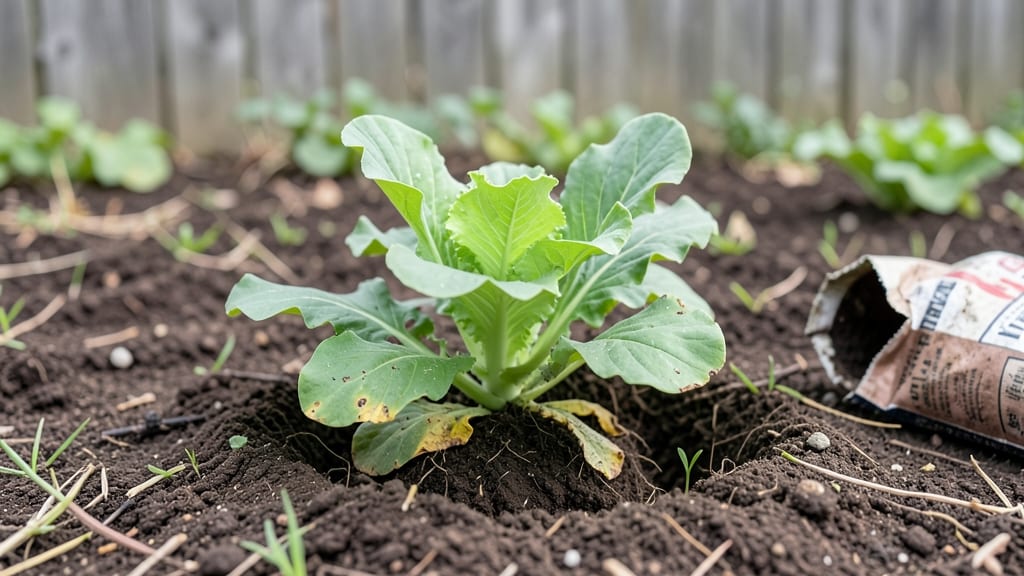
Renter-friendly gardening turns tiny balconies into lush green escapes—no yard or permission needed. 🌱 I’ve filled windowsills with thriving herbs and transformed a 4x4-foot patio into a mini vegetable garden using nothing but containers and a little creativity.
The key is working with what you’ve got, not what you wish you had.
You don’t need fancy setups or deep pockets—just a few containers, some lightweight soil, and plants that forgive occasional neglect. Succulents, strawberries, and leafy greens like lettuce thrive in pots and can even survive indoor conditions.
Even landlords won’t bat an eye at these temporary setups, especially if you keep everything removable and tidy.
By summer’s end, you’ll have a productive little garden that’s as easy to pack up as it is to plant. Imagine fresh basil for your kitchen, cherry tomatoes for salads, or vibrant flowers that brighten up any space.
The best part? Every plant you grow is a step toward a greener, more relaxed rental experience.
Whether you’re in a studio apartment or a house with a tiny yard, these strategies adapt to any space. No long-term damage, no messy cleanup—just green thumbs and good vibes. Let’s get growing!
📚 In This Guide
- What you need
- Instructions
- Tips and common mistakes
- Wrapping up and next steps
What you need
- ● Containers: 3–5 medium-sized pots (10–12 inches deep) or a raised garden bed (if space allows). Opt for lightweight, durable materials like fabric grow bags, plastic, or terra cotta.
- ● Potting Soil: 1–2 bags of high-quality, well-draining potting mix (avoid garden soil—it’s too heavy!). Look for mixes labeled "organic" or "container gardening blend."
- ● Seeds or Seedlings: Fast-growing, compact plants: basil, lettuce, cherry tomatoes, radishes, green onions, or herbs like thyme or parsley (they thrive in small spaces!).
- ● 1–2 seed packets or 3–5 small seedlings per container.
- ● Watering Can or Spray Bottle: A 1–2 gallon can with a gentle spray nozzle (or a reusable spray bottle for herbs).
- ● Fertilizer: A balanced, water-soluble fertilizer (like 10-10-10) or organic options like fish emulsion. Follow package instructions for dilution.
- ○ Gloves (Optional but Helpful): Lightweight gardening gloves to protect your hands from soil and thorns.
- ● Self-Watering System: A drip irrigation kit or wicking system to keep plants hydrated with minimal effort.
- ● Grow Lights: A small LED grow light (for indoor or low-light setups). Look for full-spectrum bulbs.
- ● Mulch or Peat Moss: Helps retain moisture and suppress weeds (great for larger containers).
- ● Plant Labels: Chalkboard tags or popsicle sticks to track what you’re growing.
- ● Portable Trellis: For vining plants like cucumbers or beans (collapsible or small stakes work too!).
- ● Bug Spray or Neem Oil: Organic pest control for when critters crash your party.
- ● Access to sunlight: At least 4–6 hours of direct sunlight daily (south- or west-facing spots are ideal).
- ● A small space: A balcony, windowsill, or even a sunny corner of a patio will work!
- ● Permission (if needed): Always check with your landlord or property manager before drilling or making permanent changes.
- ● Basic knowledge: No green thumb? Start with easy, forgiving plants like lettuce or herbs.
Step-by-step instructions for renter-friendly gardening
Small spaces and temporary homes don’t mean giving up gardening—just smart, strategic planting.
🪴 Step 1: Choose the Right Containers and Light Sources
Start with containers that match your space: 6-8 inch pots for herbs, hanging baskets for trailing plants like strawberries, or vertical planters for leafy greens. I swear by fabric grow bags—they’re lightweight, drain well, and won’t crack under winter freezes if you bring them inside. Place containers near south-facing windows or under LED grow lights (12-16 hours daily) to mimic sunlight. If natural light is weak, supplement with a clip-on grow light—it’s a game-changer for leafy greens like kale or spinach.
For balcony railings, use slim, shallow troughs (4-6 inches deep) for shallow-rooted plants like lettuce or chives. Avoid heavy ceramic pots—they’re hard to move and can damage floors. Instead, opt for plastic or lightweight fiberglass that won’t weigh you down when rotating plants for even growth.
💧 Step 2: Select Fast-Growing, Low-Maintenance Plants
Stick to annuals and herbs—they thrive in containers and don’t require long-term soil investment. My go-to list: basil, parsley, chives, radishes, lettuce, and cherry tomatoes (in 5-gallon grow bags). These plants mature quickly (30-60 days) and can be harvested before you move. Avoid root crops like carrots or potatoes—they need deep soil and won’t do well in shallow containers.
For color and texture, add trailing plants like nasturtiums or sweet potatoes to hanging baskets. They’ll spill over edges beautifully and grow fast enough to enjoy before lease ends. If you’re craving flowers, marigolds or zinnias bloom in under 8 weeks and self-seed easily—just let a few dry out in place for next season’s surprise.
☀️ Step 3: Master Watering and Fertilizing for Small Spaces
Containers dry out fast, so check soil moisture daily by sticking your finger 1 inch deep. Water until it runs out the drainage holes—no soggy bottoms. I use a self-watering planter for herbs when I travel, but for most setups, a spray bottle keeps soil evenly moist without over-saturating. Fertilize every 2-3 weeks with a balanced liquid fertilizer (10-10-10 or 20-20-20) diluted to half-strength. Over-fertilizing burns roots in small pots.
For organic options, mix composted worm castings into the potting mix at planting. It feeds plants slowly and improves drainage—critical in containers. Avoid garden soil; it compacts and suffocates roots. Instead, use lightweight potting mix with perlite for aeration. You’ll see healthier plants that grow faster and stay compact.
✂️ Step 4: Harvest Strategically to Extend Your Garden’s Life
Harvest outer leaves from herbs like basil or parsley to encourage bushier growth. For lettuce, pick outer leaves when they reach 3-4 inches, leaving the center to regrow. Cherry tomatoes and radishes are one-and-done crops—pull them when ripe to free up space for new plantings. This succession planting trick lets you grow 4-5 crops in one season without overcrowding.
When a plant finishes its cycle (like radishes or lettuce bolting), compost it immediately. Don’t leave dead plants sitting—they attract pests and smell bad in small spaces. If you’re moving soon, harvest everything 2-3 weeks before your move. Pack plants in paper bags (not plastic) to protect leaves during transit.
🪴 Step 5: Clean Up and Reset Containers Between Moves
After harvest, sterilize containers with a 10% bleach solution (1 part bleach to 9 parts water) to kill pests and diseases. Scrub with a brush, rinse well, and let dry in the sun. Store empty pots in a dry, ventilated space—like a closet or under a bed—until your next gardening adventure. Label containers with masking tape and a marker so you remember what thrived (and what flopped) next time.
If you’re moving to a new place, wash and dry containers before storage. Add a dusting of diatomaceous earth to empty pots to deter pests. This 10-minute cleanup prevents mold and keeps your next garden pest-free. Pro tip: Pack a small toolkit with scissors, gloves, and a trowel—you’ll need it for your first planting day in the new space.
Tips & tricks for perfect renter-friendly gardening
These game-changing strategies will transform your balcony or windowsill into a thriving garden—no yard required.
Light Optimization: The 12-16 hours of daily light from LED grow lights isn't just a recommendation—it's essential for leafy greens like kale and spinach. Position your lights just 6-12 inches above plants to maximize coverage. I rotate my containers every 2-3 days to ensure even growth on all sides. For south-facing windows, place taller plants behind shorter ones to prevent shading.
Container Mobility Matters: Fabric grow bags and lightweight plastic containers are your best friends when lease terms change. I keep a rolling cart with wheels to easily move my entire setup between balconies or rooms. This also helps with the daily rotation I mentioned earlier—just roll the cart around your space. For balcony railings, use the slim troughs (4-6 inches deep) and secure them with non-damaging straps to prevent wind from tipping them over.
Succession Planting Secret: The 30-60 day maturity window for your herbs and quick crops is your secret weapon for continuous harvests. After pulling radishes (which bolt quickly), I immediately replant the space with lettuce or chives. This lets you enjoy fresh greens for 4-5 months straight without overcrowding. Just remember to compost finished plants immediately—they'll attract pests if left to decompose in containers.
Storage Strategy: That 10-minute cleanup between moves isn't just about sanitizing—it's about preserving your containers. I store my labeled pots in a vacuum-sealed bag with silica gel packets to prevent mold. The diatomaceous earth dusting I mentioned actually lasts through storage, so you won't need to reapply before your next planting. Keep your small toolkit packed with the bleach solution and a spray bottle for quick refreshes between gardening sessions.
Pro Tips for Renter Friendly Gardening
- These game-changing strategies will transform your balcony or windowsill into a thriving garden—no yard required.
- Light Optimization: The 12-16 hours of daily light from LED grow lights isn't just a recommendation—it's essential for leafy greens like kale and spinach.
- Container Mobility Matters: Fabric grow bags and lightweight plastic containers are your best friends when lease terms change.
Frequently asked questions
Got questions about renter-friendly gardening? You’re not alone—many people want to grow plants without long-term commitments. Here are answers to the most common concerns:
Can I garden in a small space like a balcony or windowsill?
Small spaces are perfect for container gardening. Use pots, hanging planters, or vertical gardens to grow herbs, leafy greens, or even dwarf tomatoes. Just ensure your containers have drainage holes and choose lightweight materials for easy moving.
How long does it take to see results in a rental garden?
Fast-growing plants like basil, radishes, or green onions can sprout in 2–4 weeks, while herbs and lettuce may take 4–6 weeks to harvest. Plan ahead by starting with quick-yield crops if you’re short on time!
What if my landlord doesn’t allow gardening?
Check your lease first—many landlords permit temporary or non-invasive gardening. If not, try window boxes, indoor plants, or microgreens (they don’t require outdoor space). Always ask politely and offer to clean up!
How do I keep my plants alive if I travel often?
Use self-watering planters, moisture-retaining pellets, or group plants with similar water needs. For longer trips, ask a neighbor to water or set up a drip irrigation system on a timer. Succulents and herbs are the most drought-tolerant!
What’s the easiest way to deal with pests without chemicals?
Start with prevention: healthy soil, proper spacing, and companion planting (e.g., marigolds repel pests). For troubleshooting, try neem oil, insecticidal soap, or handpicking. Most rental-friendly pests (like aphids) can be managed without harsh treatments.
Wrapping up and next steps
Renter-friendly gardening proves that you don’t need a backyard or long-term lease to enjoy the magic of growing your own plants. With a little creativity and the right tools—like containers, vertical space, and low-maintenance plants—you can bring greenery and fresh flavors into your life anywhere.
Whether you’re nurturing herbs on a windowsill or cultivating veggies on a balcony, every small step is a victory for your green thumb!
Ready to start? Pick one plant or project from this guide and take action today! 🌱 Even a single pot of basil or a hanging succulent can spark joy—and maybe even inspire you to grow more. Happy gardening!