
Container Gardens
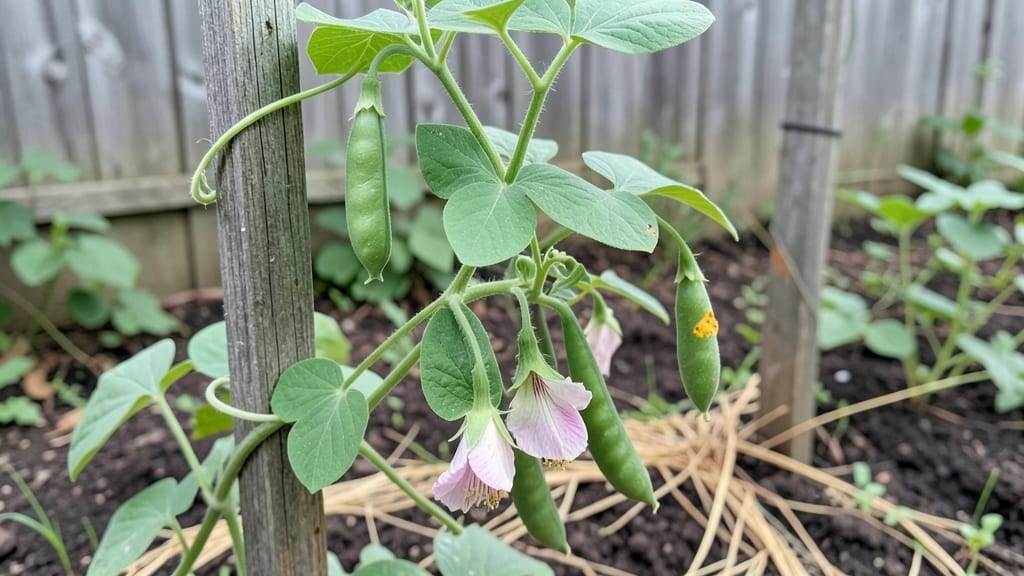
Container gardening peas on a balcony with vertical trellises transforms even the tiniest space into a fragrant, homegrown harvest—if you nail the support and soil. 🌱 I learned the hard way that peas need structure and the right conditions—or they’ll flop like overcooked noodles.
The secret lies in pairing the right container with a sturdy trellis, then giving those vines something to climb toward the sun.
You’ll need a 5-gallon container (minimum) with drainage, a 4-foot tall trellis (or a DIY cage), and soil rich in compost.
Peas thrive in cool weather, so plant them 4-6 weeks before your last frost—they’ll bolt if temperatures climb above 80°F. Water consistently but avoid soggy soil, and watch those tendrils twist skyward within days.
By late spring, you’ll be snipping tender, sugar-snap pods straight from your porch rail. The vertical setup keeps leaves off the ground, reducing rot, and the trellis doubles as a living privacy screen. Plus, peas fix nitrogen in the soil—free fertilizer for your next container crop.
Works for patios, fire escapes, or even windowsills with enough light. Here’s how to keep them climbing—and producing—all season long.
📚 In This Guide
- What you need
- Instructions
- Tips and common mistakes
- Wrapping up and next steps
What you need
- ● Container: A 5-gallon pot or larger (minimum 12 inches deep and 12 inches wide) with drainage holes. Fabric grow bags or self-watering containers work too!
- ● Potting Mix: A high-quality, well-draining mix (avoid garden soil—it compacts!). Look for a peat-free, organic blend with added compost.
- ● Pea Seeds: Choose dwarf or bush varieties (e.g., 'Sugar Snap,' 'Oregon Sugar Pod,' or 'Tom Thumb') for containers. 2–3 seeds per container (thin to the strongest plant later).
- ● Trellis or Support: A vertical trellis (bamboo stakes, A-frame, or 5-foot tall wire mesh) to guide vining peas upward. Tie plants loosely with soft plant ties or old fabric strips.
- ● Watering Can or Hose: With a gentle spray nozzle to avoid disturbing soil.
- ● Fertilizer: A balanced, organic fertilizer (e.g., 5-5-5 or fish emulsion) or compost tea for a nutrient boost.
- ● Mulch: Straw or shredded leaves to retain moisture and suppress weeds.
- ● Slow-Release Fertilizer Pellets: Mix into soil at planting for steady nutrition.
- ● Plant Markers: Labels or sticks to track varieties (especially if growing multiple types!).
- ● Shade Cloth: For hot climates—peas prefer cool temps (50–75°F).
Step-by-Step instructions for growing peas in containers
Here's how to transform a small space into a thriving pea garden using vertical trellises.
🪴 Step 1: Select and Prepare Your Containers
Choose containers at least 12 inches deep with drainage holes—peas need room for roots to anchor and grow. I prefer fabric grow bags because they breathe better than plastic and prevent root-bound stress. For four plants, you'll need two 5-gallon containers or four 1-gallon pots arranged in pairs.
Fill the bottom third with coarse perlite or gravel to improve drainage. This prevents soggy soil, which causes root rot. Next, add a 2-inch layer of compost to enrich the mix. Peas are nitrogen-fixers, but they still appreciate a nutrient boost at planting time.
🌱 Step 2: Plant Seeds Along the Trellis
Peas thrive when planted near their support structure. Insert 3-foot bamboo stakes or a metal trellis into each container, securing them with garden ties so they don’t topple. For four plants, sow 4-5 seeds per container, spacing them 1 inch apart along the trellis.
Plant seeds 1 inch deep—any deeper delays germination. I like to use a seed starter tool to make precise holes without disturbing the soil. Water gently after planting, ensuring the soil stays moist but not waterlogged. Pea seeds germinate best in 60-70°F soil, so if your space is cooler, consider a seedling heat mat for faster sprouts.
☀️ Step 3: Position for Optimal Light and Airflow
Peas need 6-8 hours of sunlight daily, but they tolerate partial shade better than most vegetables. Place containers where they receive morning sun and afternoon shade if temperatures exceed 80°F. I position mine near a south-facing window or under a dappled shade cloth during peak heat.
Good airflow prevents powdery mildew, so space containers 6 inches apart. If using a balcony railing, attach trellises with zip ties to keep them stable. Watch for first true leaves—they’ll appear in 7-14 days—and thin seedlings to the strongest one per spot if overcrowding occurs.
💧 Step 4: Water and Fertilize for Climbing Success
Keep soil evenly moist—peas wilt quickly when dry. Water at the base early in the day to allow foliage to dry before evening. I use a watering can with a rose attachment to avoid disturbing the trellis. Once vines reach 6 inches tall, fertilize lightly with a balanced organic fertilizer (5-5-5 ratio) to encourage flowering.
Peas fix nitrogen in the soil, so over-fertilizing can harm them. Instead, side-dress with compost when vines start climbing. You’ll know they’re happy when tendrils curl around the trellis and first flowers appear in 4-6 weeks. Harvest begins when pods are 2-3 inches long and snap easily.
✂️ Step 5: Prune and Harvest for Continuous Production
Pinch back the top 2 inches of main vines when they reach the trellis top to encourage bushier growth. This redirects energy to side shoots, increasing yield. Harvest every 2-3 days to prevent pods from toughening—peas lose sweetness quickly once picked.
Support new growth by tying vines to the trellis as they climb. If flowers appear but no pods form, your peas may need warmer temperatures (55-75°F). In hot climates, provide afternoon shade to keep plants productive. With proper care, one container can produce 1-2 pounds of peas per season—enough for fresh eating or freezing.
Tips & tricks for perfect container-grown peas
These tried-and-tested insights will help you maximize your vertical pea garden and avoid common pitfalls that can sabotage your harvest.
Container Selection Wisdom: While fabric grow bags are my top recommendation, you can also use sturdy plastic pots or even repurposed buckets with drainage holes drilled in the bottom. The key is ensuring your containers are at least 12 inches deep—this gives roots enough room to anchor while preventing the soil from drying out too quickly. For maximum stability, place containers on saucers to catch excess water and prevent soil erosion.
Trellis Stability Matters: Don't underestimate the importance of securing your trellis properly in Step 1. I've seen bamboo stakes topple when vines reach just 12 inches tall! Use garden ties to anchor the trellis to the container walls at both the base and midpoint. For extra security, especially in windy conditions, consider adding a cross-support between stakes or using a metal trellis which provides inherent stability. The last thing you want is your peas hanging limply mid-climb.
Germination Temperature Tip: The 60-70°F soil temperature range specified for germination is critical—peas are particularly sensitive to cold. If your growing space dips below 60°F, invest in a seedling heat mat ($15-20) to maintain consistent warmth. I've found that seedlings emerge 3-4 days faster with this simple tool, and the stronger starts translate directly to better yields. For cooler climates, consider starting seeds indoors under grow lights for 10-14 days before transplanting to containers.
Harvesting Rhythm: The 2-3 day harvest window mentioned in Step 5 is non-negotiable for sweet peas. I set a phone reminder every 2 days during peak production to avoid missing the optimal harvest window. When pods reach 2-3 inches but haven't yet bulged at the seams, that's your sweet spot. Pro tip: Harvest in the morning when sugars are at their peak, and use a small pair of kitchen scissors to snip stems cleanly without damaging the plant. This encourages continuous flowering and pod production.
Pro Tips for Container Gardening Peas
- These tried-and-tested insights will help you maximize your vertical pea garden and avoid common pitfalls that can sabotage your harvest.
- Container Selection Wisdom: While fabric grow bags are my top recommendation, you can also use sturdy plastic pots or even repurposed buckets with drainage holes drilled in the bottom.
- Trellis Stability Matters: Don't underestimate the importance of securing your trellis properly in Step 1.
Frequently asked questions
Got questions about growing peas in containers? You’re not alone! Here are some of the most common queries—plus quick, actionable answers to help you succeed with your container gardening peas.
What’s the best container size for growing peas?
Peas thrive in containers at least 12 inches deep and 8–12 inches wide to accommodate their roots and vines. For vertical growth, use 5-gallon buckets or fabric grow bags with trellises. Shallow pots (under 6 inches) will stunt their growth—peas need room to stretch!
When is the ideal time to plant peas in containers?
Peas are cool-season crops, so plant them 4–6 weeks before your last frost (early spring or late summer/fall in warm climates). Avoid planting when soil temps exceed 80°F—they’ll bolt (flower prematurely). A light frost won’t harm them, but extreme heat will.
Can I grow peas in containers without a trellis?
Yes, but expect bush peas (like ‘Tom Thumb’ or ‘Little Marvel’) instead of vining varieties. Bush peas stay compact (12–18 inches tall) and don’t need support, making them perfect for small pots or hanging baskets. Vining peas, however, will sprawl—so a trellis is key for tidy growth!
How do I prevent pests like aphids or powdery mildew in container-grown peas?
Start with resistant varieties (e.g., ‘Wando’ or ‘Oregon Sugar Pod II’). For aphids, spray with neem oil or introduce ladybugs. Improve airflow by spacing containers 6–12 inches apart to reduce mildew. Water at the base (not leaves) to keep foliage dry.
What can I plant alongside peas in containers to maximize space?
Peas are nitrogen-fixers, so pair them with heavy feeders like lettuce, radishes, or carrots. Avoid competing plants like potatoes or corn. For vertical harmony, try climbing nasturtiums (they deter pests!) or bush beans in separate containers nearby.
Still stumped? Drop your question in the comments—we’re happy to help your peas flourish!
Wrapping up and next steps
Container gardening peas is a rewarding way to grow fresh, flavorful produce—even in small spaces! 🌱 With the right trellis setup, you’ll enjoy crunchy, sweet peas while maximizing your vertical growing potential.
Whether you’re a beginner or a seasoned gardener, this method proves that big harvests don’t need big yards.
Ready to dig in? Start small—try a single container with a few pea plants—and let your success inspire bigger (or taller!) projects next season. Happy gardening!