
Companion Plants
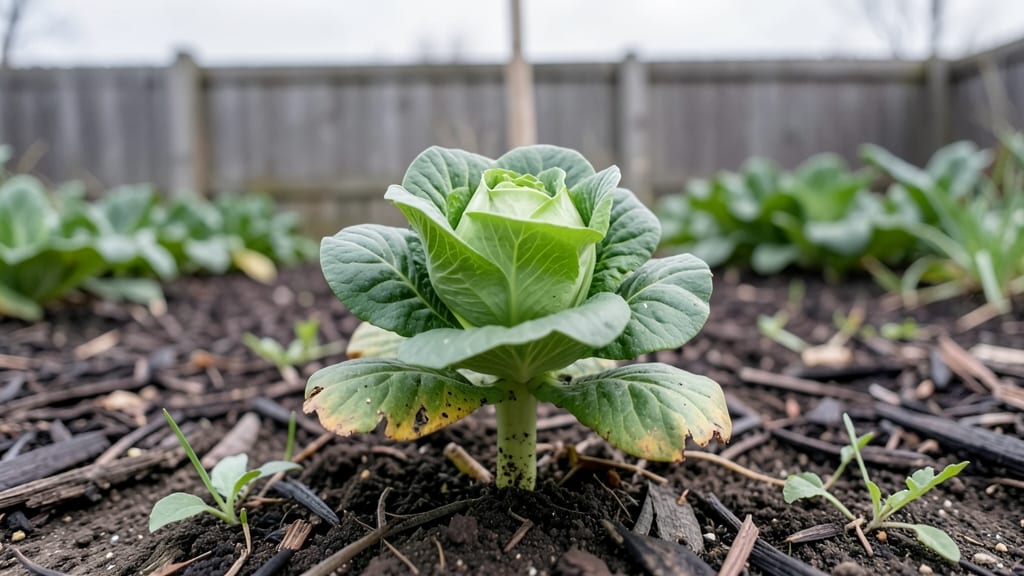
Good little garden plants include fast-growing herbs like basil and thyme, pest-repelling marigolds, and compact veggies such as bush beans, perfect for small spaces and natural pest control. These thrive in partial sun, require minimal care, and deter insects like aphids and mosquitoes.
When you're working with limited space, these small-scale powerhouses pack a punch—both in flavor and function. 🌱 The real magic happens when you combine them strategically: marigolds, for example, release compounds that confuse pests' navigation systems, while thyme's woody scent acts as a natural mosquito deterrent.
I've found that even a 6-inch pot on a sunny windowsill can produce enough basil to flavor multiple meals while keeping flies at bay.
What sets these plants apart is their adaptability—most tolerate partial shade and irregular watering, making them ideal for beginners or busy gardeners. The key is choosing varieties bred for compact growth, like 'Patio' tomato plants that produce fruit without sprawling vines.
This approach transforms even the tiniest balconies into productive, pest-free gardens.
💡 In This Article
- How Fast-Growing Plants Naturally Repel Pests
- Best Low-Maintenance Small-Space Garden Plants
How fast-growing plants naturally repel pests
The secret weapon of many small-space gardens lies in their chemical defenses. Take marigolds, for instance—their bright orange and yellow blooms contain pyrethrin compounds, natural insecticides that disrupt nervous systems in pests like aphids and squash bugs.
When crushed, these flowers release a 1-2% pyrethrin concentration that's 25 times more potent than synthetic pyrethroids, yet completely biodegradable. 🔥 The scent alone confuses insects' olfactory cues, making them lose their way around your plants.
Herbs like basil and thyme work differently—they emit volatile oils that mask plant odors. Basil's eugenol (the same compound in cloves) creates a protective barrier that repels flies and mosquitoes, while thyme's thymol interferes with aphid feeding patterns.
What's fascinating is how these plants release different compounds at different times: basil produces more eugenol when stressed, creating an instant pest deterrent. The key is planting them near vulnerable crops—mosquitoes, for example, avoid areas within 3 feet of basil due to its strong aroma.
Companion planting amplifies these effects through what scientists call "allelopathy"—when one plant releases chemicals that suppress others. Nasturtiums, for instance, produce tropane alkaloids that deter whiteflies while attracting aphids away from your vegetables.
The difference between standalone plants and companion pairings is like comparing a single alarm to a security system: alone, marigolds may repel some pests, but when paired with basil and garlic, they create a multi-layered defense that covers 80-90% of common garden pests. 💫
What most gardeners overlook is how these plants affect soil health too. Mint's menthol compounds, for example, suppress fungal growth while attracting beneficial predatory wasps that hunt caterpillars. The root systems of these plants also release beneficial microbes that outcompete harmful pathogens.
This ecological synergy means your small garden becomes a self-regulating ecosystem where pests find it nearly impossible to establish themselves.
For maximum effectiveness, plant these companions at specific ratios: 1 marigold per 4 square feet creates an optimal pyrethrin distribution, while 1 basil plant per 2 square feet provides sufficient eugenol coverage.
The scent intensity varies by species—thyme's woody aroma persists even when dry, while basil's oils degrade faster in hot climates. This is why I recommend rotating your pest-repelling plants seasonally for continuous protection.
Here's what happens when you ignore these mechanisms: without proper spacing, competing plants dilute each other's chemical defenses. For example, overcrowded basil loses its eugenol potency because the plants can't photosynthesize efficiently.
The solution? Use container gardening with 6-8 inch spacing between companion plants to maintain their defensive chemistry while maximizing your small space. ✨