
Tools
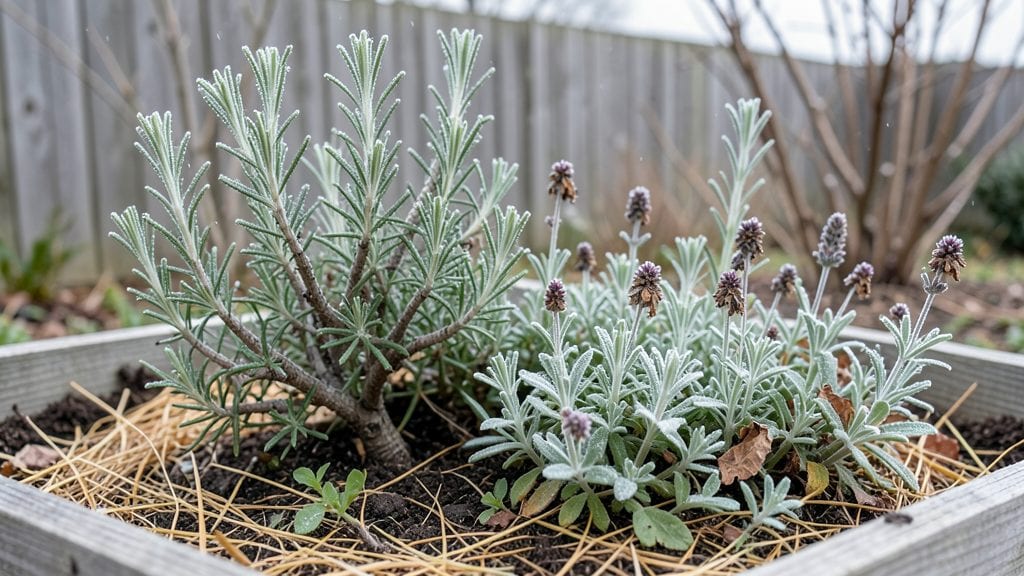
Winterizing your raised garden isn’t just about survival—it’s about turning snow into a protective blanket for plants that refuse to quit. 🌱 I’ve grown kale, spinach, and even garlic under winter’s chill, and the secret lies in choosing the right crops and preparing the bed properly before the first frost.
The key starts with soil: enrich it with compost before cold sets in, and cover the bed with 6-12 inches of straw or leaves to insulate roots.
Cold-hardy crops like winter rye, Swiss chard, and hardy greens keep producing until spring, while perennials like asparagus and rhubarb reward patience with early shoots. Even onions and potatoes can overwinter with the right protection.
By spring, you’ll have vibrant green growth weeks ahead of neighbors, and the soil will be pre-warmed from decomposition. The bed stays workable earlier, and you skip the spring soil prep rush. It’s not just gardening—it’s a year-round strategy that turns winter into a productive season.
Works in zones 3-7, whether you’re a first-timer or a seasoned grower. The only mistake? Waiting until after the first freeze to prepare. Let’s get your raised bed ready before the snow flies.
📚 In This Guide
- What you need
- Instructions
- Tips and common mistakes
- Wrapping up and next steps
What you need
- ● Raised Garden Bed: Wooden frame (cedar or redwood recommended for durability; minimum 6" deep for winter crops).
- ● OR pre-built raised bed kit (ensure it’s insulated for cold climates).
- ● Soil: High-quality, well-draining mix (aim for 60% topsoil, 30% compost, 10% perlite/sand). Quantity: ~1 cubic foot per square foot of bed space.
- ● Cold-Frame or Hoop House: Clear polycarbonate panels or greenhouse plastic (minimum 4’ x 8’ for small beds).
- ● Insulation: Straw or hay bales (2–3 bales per 4’ x 8’ bed for mulching).
- ● OR bubble wrap or frost cloth (for lightweight coverage).
- ● Drip Irrigation or Soaker Hoses: Low-volume system to prevent soil freeze-thaw cycles (1/4" tubing, 1 GPH emitter).
- ● Thermometer: Soil probe type (0°F to 100°F range) to monitor root-zone temps.
- ● Gloves, Kneepads, and Hand Trowel: For planting/harvesting in cold weather.
- ● Row Covers: Frost blankets (30–50% shade cloth) for extra protection on harsh nights.
- ● LED Grow Lights: Supplemental lighting (12–14 hours/day) for short winter days (7000K bulbs recommended).
- ● Heated Seedling Mats: For germinating cold-sensitive starts (100W–200W).
- ● Compost Thermometer: To ensure soil stays above 32°F for root safety.
- ● Decorative Stones or Edging: To secure mulch and add a polished look.
Step-by-Step guide to planting cold-hardy crops in a raised garden for winter
Winter doesn't have to mean empty beds—these resilient crops will keep growing even under snow.
🌱 Step 1: Choose the Right Crops for Your Climate Zone
Focus on varieties labeled for your specific zone—kale, Swiss chard, and winter spinach are my top picks for zones 4-7. These plants handle 20°F temperatures and often taste sweeter after frost. I always check seed packets for "winter-hardy" labels to avoid disappointment.
For zones 8-10, consider carrots, radishes, and broccoli raab—they thrive in cooler weather but won't survive deep freezes. If you're unsure about your zone, check the USDA Plant Hardiness Map online. I've learned the hard way that some "cold-hardy" claims are exaggerated!
🪴 Step 2: Prepare the Raised Bed for Winter Planting
Start by removing any remaining summer crops and adding a 2-inch layer of compost to replenish nutrients lost during the growing season. I like to mix in a handful of fish emulsion for extra nitrogen—winter crops are heavy feeders.
Rake the bed smooth and remove any debris or weeds. The goal is clean, loose soil that won't compact when wet. If your bed is new or soil is poor, consider adding a 1-inch layer of straw mulch after planting to insulate roots and retain moisture.
☀️ Step 3: Plant at the Correct Depth and Spacing
Follow seed packet spacing guidelines—crowding leads to weak, disease-prone plants. For leafy greens like kale and spinach, I plant seeds 1 inch apart in rows 12 inches apart. Root crops like carrots need 2-3 inches between seeds to develop properly.
Plant seeds ½ inch deep—shallow planting prevents rot in wet conditions. Water gently after planting to settle the soil around seeds. I use a fine mist setting on my hose to avoid disturbing the seeds. Wait for 1-2 weeks until seedlings emerge before thinning.
💧 Step 4: Protect Plants from Extreme Cold and Wind
Once plants reach 2-3 inches tall, add a 4-inch layer of straw mulch around them. This insulates roots and prevents soil temperature swings. I also use hoop tunnels covered with frost cloth when temperatures drop below 15°F—it creates a microclimate that keeps plants growing.
Check mulch levels after heavy snowfall—compacted snow can suffocate plants. Gently brush off excess snow and fluff the mulch layer. If you notice wilting despite good insulation, your plants may need weekly watering during dry winter spells.
✂️ Step 5: Harvest Strategically to Extend the Season
Harvest outer leaves from greens like kale and spinach to encourage new growth. I pick every other leaf to leave enough foliage for photosynthesis. For root crops, harvest when tops yellow or bolt—this signals the plant is redirecting energy to the roots.
Store harvested greens in perforated plastic bags in the fridge for 1-2 weeks. I've found that wrapping them in a damp paper towel before bagging keeps them crisp longer. With proper care, your winter garden can provide fresh produce until spring!
Tips & tricks for perfect winter raised garden planting
These practical tips will help you maximize your winter harvest and avoid common mistakes that can ruin your cold-hardy crops.
Climate Zone Intelligence: Don't just trust seed packet claims—verify your actual hardiness zone using the USDA Plant Hardiness Map. I've seen "cold-hardy" kale freeze at 18°F in zone 5 when the packet said 20°F. For zones 4-7, stick with varieties tested below 20°F—these are the true survivors. In zones 8-10, prioritize crops that handle 30-35°F dips rather than full winter conditions.
Soil Preparation Secret: The 2-inch compost layer in Step 2 is non-negotiable for winter crops—they deplete nutrients faster than summer plants. Mix in that fish emulsion right before planting, not when you first build the bed. Winter crops like kale and spinach are nitrogen hogs, and they'll show you if you're skimping. For extra insurance, add a handful of bone meal (optional) to the bottom of the bed before compost—it provides phosphorus for root development.
Planting Timing Strategy: In colder climates, plant your winter crops 6-8 weeks before your first expected frost date—this gives them time to establish roots before temperatures drop. For zones 4-7, aim for late summer planting (August). The 1-2 week germination window in Step 3 becomes critical—if you plant too late, seedlings may not mature before winter sets in. Use a seedling heat mat if your fall nights are chilly.
Cold Protection Pro Tips: When temperatures drop below 15°F, your frost cloth becomes your best friend—but don't just throw it on randomly. Create an air gap between the cloth and plants (use small stakes or hoops) to prevent moisture buildup that leads to rot. For heavy snow loads, I've found that bamboo stakes (optional) placed around plants help support the mulch and prevent collapse. And always check your plants after snowfall—compacted snow can suffocate them just as effectively as freezing temperatures.
Pro Tips for Raised Garden Winter
- These practical tips will help you maximize your winter harvest and avoid common mistakes that can ruin your cold-hardy crops.
- Climate Zone Intelligence: Don't just trust seed packet claims—verify your actual hardiness zone using the USDA Plant Hardiness Map.
- Soil Preparation Secret: The 2-inch compost layer in Step 2 is non-negotiable for winter crops—they deplete nutrients faster than summer plants.
Frequently asked questions
Got questions about keeping your raised garden productive in winter?
You’re not alone! Here are answers to the most common concerns—so you can grow cold-hardy crops with confidence, even when snowflakes start falling.
Can I still grow vegetables in a raised bed during winter?
Many crops thrive in winter’s chill, like kale, spinach, and carrots. Use row covers or cold frames to extend the season. Just avoid frost-sensitive plants (e.g., tomatoes, peppers) and opt for hardy varieties. With the right setup, your raised bed can be a winter wonderland of edibles!
When should I plant winter crops in a raised garden?
Timing depends on your climate, but aim for 4–6 weeks before the first frost for cool-season crops. In colder zones, start seeds indoors in late summer or early fall. Check your frost dates and seed packets for guidance—patience pays off with a bountiful winter harvest!
What’s the easiest way to protect a raised bed from freezing?
Layering is key! Use straw or leaves as mulch (3–4 inches deep) to insulate soil. For extra warmth, add a clear plastic tunnel or hoop house. Avoid heavy materials that could compact soil—lightweight options work best to trap heat while letting moisture escape.
Can I grow tomatoes or peppers in a raised bed during winter?
Not without help! These tropical plants need warmth—try a greenhouse or heated raised bed (with electric mats) to keep soil temps above 60°F. Alternatively, grow them in containers you can move indoors. For winter, stick to cold-hardy crops like broccoli or brussels sprouts instead.
How do I keep pests and rodents out of my winter raised garden?
Pests love winter’s leftover scraps! Use hardware cloth to cover beds and store-bought traps for rodents. Avoid leaving debris—clean up fallen leaves and harvests promptly. A chicken wire barrier around the perimeter also deters digging critters. Stay proactive, and your garden stays pest-free!
Wrapping up and next steps
Winter doesn’t have to mean the end of your raised garden’s productivity! 🌱 By focusing on cold-hardy crops like kale, spinach, and garlic, you can keep harvesting well into the season—even under snow. With the right planning, insulation, and a few protective tricks, your garden stays vibrant and bountiful year-round.
Ready to extend your growing season? Start small—try adding a few hardy crops this fall and experiment with row covers or cold frames. Every harvest is a win, and your future winter garden will thank you! 🌟