
Landscaping
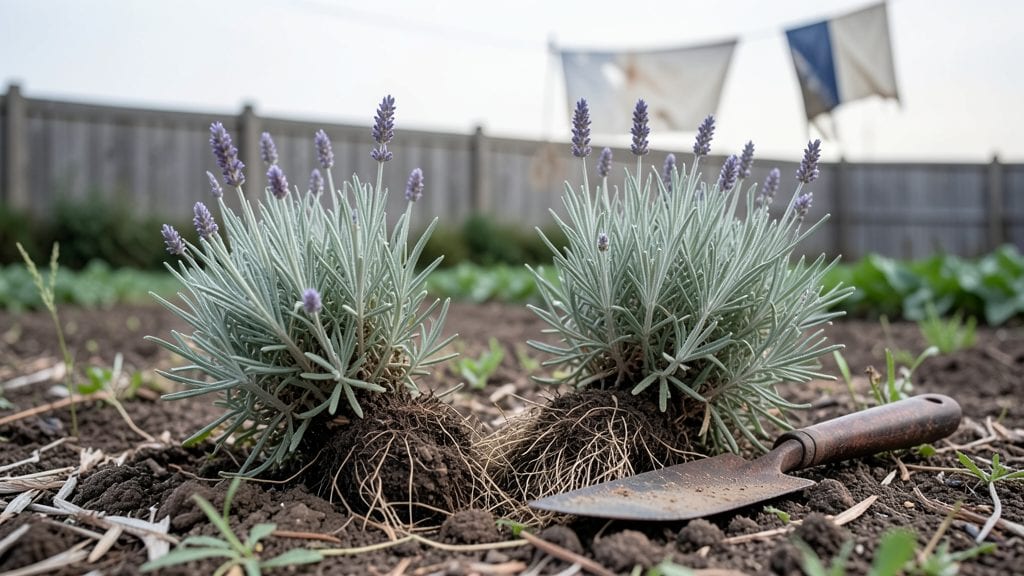
Crafting thoughtful prayer garden plans that feel like a sacred sanctuary begins with a design that flows like a quiet conversation with nature—where intention matters more than perfection. 🌿 I learned the hard way that the best prayer gardens aren’t about perfection—they’re about intention, so every element should invite reflection, whether it’s the rustling of lavender or the gentle curve of a winding path.
The foundation comes down to three layers: a central focal point (like a simple stone altar or small fountain), surrounding plants that speak to your spirit (rosemary for remembrance, sunflowers for joy), and pathways that guide you deeper into stillness.
You don’t need a huge space—even a 6x6-foot corner can become a place of peace with the right layout.
What you’ll end up with is a space where the air smells like crushed herbs, the light filters through tall grasses, and every seat feels like an invitation.
The key is balancing beauty with meaning—so the garden doesn’t just look serene, but feels like a place to pause, breathe, and connect.
Works for any faith tradition or personal practice, from daily meditation to seasonal rituals. The beauty is in how it grows with you—starting simple and deepening over time.
📚 In This Guide
- What you need
- Instructions
- Tips and common mistakes
- Wrapping up and next steps
What you need
- ● Soil & Mulch: Topsoil (2–4 cubic yards, depending on garden size)
- ● Compost or organic matter (1–2 bags for nutrient-rich soil)
- ● Mulch (cedar or pine, 2–3 bags for moisture retention and weed control)
- ● Plants & Greenery: Sacred or symbolic plants (e.g., lavender, rosemary, or prayer plants—3–5 per type)
- ● Small trees or shrubs (e.g., olive, cypress, or willow—1–2 for structure)
- ○ Ground cover (e.g., creeping thyme or moss—optional but adds texture)
- ● Hardscaping & Seating: Flagstone or pavers (5–10 slabs for pathways or seating areas)
- ● Bench or meditation cushion (1–2, weather-resistant)
- ● Wind chimes or a small fountain (1, for soothing ambiance)
- ● Decorative Elements: Stone markers or engraved plaques (1–3 for personal touches)
- ● Solar-powered path lights (4–6 for evening illumination)
- ○ Small prayer flags or wind spinners (optional, for cultural or spiritual significance)
- ● Shovel and garden fork (for digging and aerating soil)
- ● Wheelbarrow (for transporting materials)
- ● Pruners and hand trowel (for planting and trimming)
- ● Level and measuring tape (for precise layout)
- ● Gloves and knee pads (for comfort during work)
- ● Hose or watering can (for post-planting care)
- ● Location: Choose a spot with partial shade to full sun (6+ hours of sunlight is ideal for most plants).
- ● Access to Water: Ensure proximity to a water source for irrigation.
- ● Permits (if applicable): Check local regulations for large-scale landscaping or structural changes.
- ● Personalization: Sketch a rough layout beforehand to visualize flow and focal points.
Step-by-Step instructions for designing your prayer garden sanctuary
Here's how to craft a contemplative space that harmonizes nature and spirit through intentional layers.
🌱 Step 1: Select and Prepare Your Sacred Site
Choose a quiet corner of your property that receives 4-6 hours of dappled sunlight daily—this creates the perfect balance for both meditation and plant health. Clear the area of debris and mark the space with 4-foot wooden stakes to define your 10x10-foot foundation. I always start by removing any invasive grasses or weeds, as they compete with your intentional plantings for nutrients and water.
Test your soil's drainage by digging a 6-inch deep hole and filling it with water. If it drains completely within 30 minutes, your site is ready. If not, amend the soil with 2 inches of compost and 1 inch of coarse sand to improve aeration. This ensures your prayer garden remains a place of growth, not stagnation.
🪴 Step 2: Establish the Foundational Layers
Begin with a circular meditation path made of 3-inch diameter smooth river stones arranged in a 6-foot diameter circle at the garden's center. This creates your focal point for reflection. Surround it with a 2-foot wide border of low-growing lavender and rosemary, both of which symbolize purity and protection in sacred spaces.
Use the 3 gallons of organic mulch to cover the remaining ground area, keeping it 2-3 inches deep. This suppresses weeds, retains moisture, and adds a calming visual uniformity. I like to rake the mulch in gentle, sweeping motions to mimic natural forest floors—it feels intentional and soothing.
☀️ Step 3: Plant Symbolic and Sensory Elements
Divide your garden into four quadrants, each representing a different spiritual element. In the north quadrant, plant white lilies (symbolizing purity) and sage (for cleansing). The east quadrant should feature sunflowers (growth and vitality) and marigolds (protection). For the south quadrant, add roses (love and devotion) and jasmine (gratitude), while the west quadrant can hold hostas (introspection) and ferns (peace).
Space plants according to their mature sizes—12-18 inches apart for perennials, 18-24 inches for shrubs. Water deeply after planting to encourage root establishment, then maintain 1 inch of water per week during dry spells. The key is consistency; prayer gardens thrive when their care reflects the steady rhythm of devotion.
✂️ Step 4: Add Functional and Decorative Accents
Install a simple wooden bench along the garden's eastern edge to face the rising sun—a traditional spot for morning prayers. Place a small stone fountain in the center of your meditation circle; the sound of water creates a meditative ambiance. Use 4 bamboo stakes to create a natural screen along the garden's northern boundary, adding privacy and vertical interest.
Weave in solar-powered garden lights along pathways to illuminate the space during evening reflections. I recommend warm white LEDs—they cast a gentle glow without overwhelming the natural beauty. Test their placement at dusk to ensure even coverage without creating harsh shadows.
🌿 Step 5: Maintain Through the Seasons
Prune plants twice annually: in early spring to encourage new growth and in late fall to prepare for dormancy. Remove spent blooms regularly to prolong flowering seasons and maintain the garden's tidy appearance. I always set aside 15 minutes weekly for gentle maintenance—this keeps the space sacred without becoming burdensome.
Refresh the mulch layer annually in spring to prevent weed growth and replenish nutrients. Rotate seasonal plants every 2-3 years to prevent soil depletion and maintain visual interest. The goal is a living sanctuary that evolves with you, reflecting your spiritual journey through its changing seasons.
Tips & tricks for perfect prayer garden sanctuary design
Creating a sacred space requires thoughtful attention to detail—here are the insights I've gathered to ensure your prayer garden becomes a true sanctuary of serenity and intention.
Lighting Strategy: The 4-6 hours of dappled sunlight you're aiming for is perfect for creating that peaceful ambiance, but watch the angle of light throughout the day. Morning sun in the east quadrant will gently illuminate your sunflowers and marigolds, while afternoon light will enhance the roses in the south. I recommend observing your site at different times to identify any areas that might get too much direct sun—those spots are ideal for shade-loving plants like hostas or ferns.
Soil Preparation Secret: That 30-minute drainage test in Step 1 is crucial, but don't stop there. After amending with compost and sand, I like to mix in a handful of mycorrhizal fungi powder (available at garden centers) to the root zones of your perennials. This beneficial fungus helps plants absorb nutrients more efficiently, which is especially important for your symbolic plants like white lilies and sage that carry spiritual significance. The 2 inches of compost should be worked into the top 6 inches of soil—not just spread on top—for maximum benefit.
Plant Spacing Precision: When placing your plants 12-18 inches apart for perennials, think about their mature size but also their growth habits. For example, sunflowers need that full 18-24 inches spacing because they develop strong taproots that compete for nutrients. However, I've found that planting sage and rosemary slightly closer (about 12 inches apart) creates a denser border that enhances their protective qualities while still allowing good air circulation to prevent fungal issues.
Maintenance Mindset: The 15 minutes weekly you'll spend maintaining your garden might seem like a small commitment, but consistency is what transforms this space into a true sanctuary. I schedule my garden time during my morning coffee ritual—it becomes a meditative practice in itself. For pruning, use sharp, clean shears and always cut just above a leaf node or bud to encourage new growth. This small attention to detail makes all the difference in keeping your garden looking intentional and well-cared-for.
Pro Tips for Prayer Garden Plans
- Creating a sacred space requires thoughtful attention to detail—here are the insights I've gathered to ensure your prayer garden becomes a true sanctuary of serenity and intention.
- Lighting Strategy: The 4-6 hours of dappled sunlight you're aiming for is perfect for creating that peaceful ambiance, but watch the angle of light throughout the day.
- Soil Preparation Secret: That 30-minute drainage test in Step 1 is crucial, but don't stop there.
Frequently asked questions
Got questions about creating your own prayer garden? Here are some of the most common ones—and their answers—to help you design a space that feels truly sacred.
What’s the best time of year to start building a prayer garden?
The ideal time depends on your climate, but spring or early fall are the sweet spots. Spring lets you plant flowers and shrubs while the soil is warm, while fall gives you a head start before winter. If you’re in a mild zone, you can start anytime—but avoid extreme heat or cold to make the process smoother.
How much does a prayer garden cost to build?
Costs vary widely based on size, materials, and whether you DIY or hire help. A small, simple garden with basic plants and seating can cost $50–$300, while a larger, landscaped space with benches, pathways, and premium plants may run $1,000–$5,000+. Prioritize what matters most—like a quiet seating area or a fountain—and save on decorative elements you can add later.
Do I need to hire a landscaper, or can I do this myself?
you can DIY! Many prayer gardens thrive with basic gardening skills—just research native plants, level the ground, and arrange elements thoughtfully. If you’re unsure about hardscaping (like stone paths or benches), consider hiring a pro for those parts. For inspiration, browse prayer garden plans online or visit local botanical gardens.
How do I keep my prayer garden low-maintenance?
Opt for drought-tolerant plants, like lavender, succulents, or ornamental grasses, to cut back on watering. Use mulch to retain moisture and reduce weeds, and choose ground covers (like creeping thyme) to minimize bare soil. Install a drip irrigation system for hands-off watering, and skip delicate flowers that need constant care. A little planning goes a long way!
Can I incorporate a prayer garden into an existing yard?
Yes! Even a small corner with a bench, a few plants, and a wind chime can create a peaceful retreat. Start by designating a quiet spot away from high-traffic areas, then add layers like a small fountain, a prayer flag, or a stone pathway. If space is tight, vertical gardens or hanging plants can add greenery without taking up room. Think intentional, not expansive!
Wrapping up and next steps
Creating your own prayer garden is a beautiful way to cultivate peace, reflection, and connection with nature. Whether you’re designing a tranquil corner for daily meditation or a communal space for gatherings, the key is to blend intention, simplicity, and serenity into every layer.
Start small—your sacred sanctuary doesn’t need to be grand to be meaningful!
Ready to bring your vision to life? Sketch your layout, gather your materials, and begin planting—one mindful step at a time. 🌿✨