Shrubs
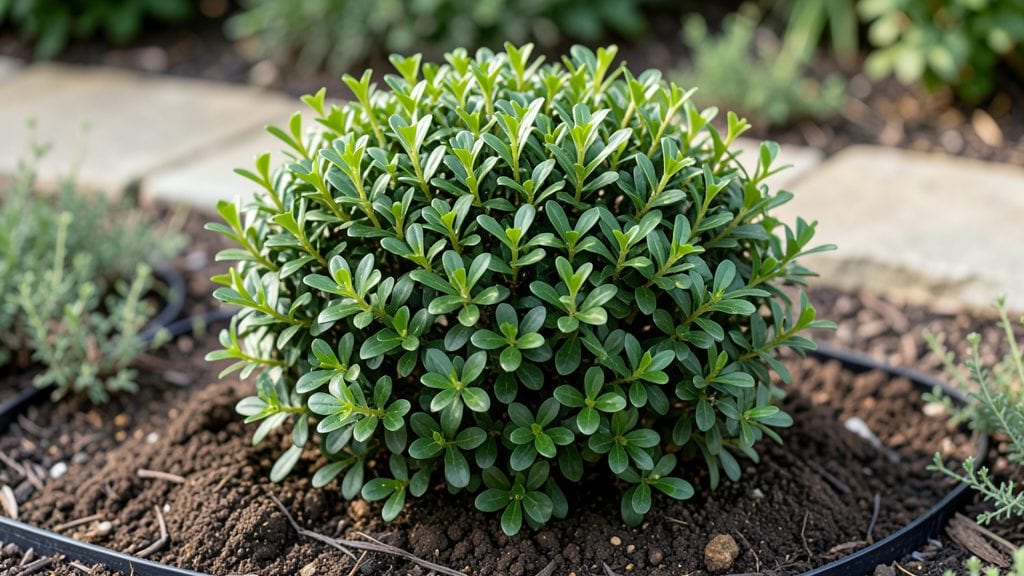
Small gardens need shrubs that pack privacy and personality into tight spaces—without swallowing your yard. 🌿 I used to think shrubs required sprawling backyards, but the right varieties can create lush, year-round screens even in postage-stamp plots.
The secret lies in choosing compact, multi-season performers that layer interest vertically and horizontally.
Think dwarf varieties like 'Dwarf Fountain' hydrangea (3-4 feet tall) or 'Little Devil' ninebark (4-5 feet), which deliver color, texture, and structure without overpowering. Prune strategically to encourage bushier growth, and space them 12-18 inches apart for a dense, impenetrable look.
Most thrive in partial shade, making them perfect for north-facing walls or crowded corners.
You'll end up with a garden that feels intentional, not cramped—where every plant serves a purpose. The foliage stays vibrant through winter, flowers bloom in spring, and berries add color in fall. Plus, you'll save hours on weeding since shrubs suppress grass and invasive plants naturally. Let's design your space!
Works for urban balconies, narrow side yards, or even container arrangements on patios. The key is matching shrubs to your sunlight and soil, then letting them grow into their full (but compact) potential. Here's how to pick the right ones for your micro-space.
📚 In This Guide
- What you need
- Instructions
- Tips and common mistakes
- Wrapping up and next steps
What you need
- ● Shrubs (3–5 plants, depending on size): Compact evergreens (e.g., Dwarf Boxwood, Emerald Green Arborvitae) – 2–3 plants
- ● Flowering shrubs (e.g., Dwarf Hydrangea, Abelia) – 1–2 plants
- ● Deciduous options (e.g., Dwarf Fothergilla, Potentilla) – 1 plant (if seasonal interest is desired)
- ● Soil amendments: Compost or well-rotted manure (5–10 lbs, depending on garden size)
- ● Organic mulch (e.g., shredded bark or pine needles – 2–3 inches layer)
- ● Planting tools: Garden trowel or hand shovel
- ● Pruning shears (for shaping)
- ● Measuring tape (to space plants 1–3 feet apart, based on mature size)
- ● Watering supplies: Watering can or hose with a gentle spray nozzle
- ○ Drip irrigation kit (optional, for low-maintenance care)
- ● Erosion control fabric (for sloped or sandy soil)
- ● Slow-release fertilizer (e.g., Osmocote) for nutrient boost
- ● Decorative stones or gravel (to define plant beds)
- ● Trellis or small lattice (if training climbing shrubs like Clematis)
- ● Garden gloves and knee pads (for comfort during planting!)
- ● Sunlight assessment: Note areas with full sun (6+ hours), partial shade (3–6 hours), or full shade (<3 hours).
- ○ Soil test (optional but recommended): Check pH and drainage (most shrubs prefer 6.0–7.0 pH and well-draining soil).
- ● Space planning: Sketch a rough layout to ensure shrubs won’t outgrow their spots in 5–10 years!
How to select and plant shrubs for compact privacy screens
Small gardens deserve smart shrubs that deliver lush privacy without overwhelming space.
🌱 Step 1: Choose Dwarf or Semi-Dwarf Varieties
Look for cultivars labeled "compact," "dwarf," or "miniature" that mature under 6 feet tall—perfect for narrow spaces. Boxwoods (like 'Green Velvet') stay under 3 feet, while Dwarf Fothergilla ('Mount Airy') reaches 4-5 feet with stunning spring blooms. I always check the mature height tag at the nursery because what's small now will fill out quickly.
For layered privacy, mix heights: plant 3-foot shrubs at the front edge, 5-foot varieties in the middle, and 6-foot specimens at the back. This creates depth while keeping the overall footprint tight. Avoid fast-growing shrubs like leucothoe—they'll outpace your space in just a few years.
🪴 Step 2: Prepare Planting Holes with Amended Soil
Dig holes twice as wide as the root ball but only as deep—planting too deep suffocates roots. For each 4-inch pot of nursery stock, amend the native soil with 1 part potting mix to 3 parts garden soil (use the 2 gallons you've mixed). This improves drainage while retaining moisture.
Gently loosen the root ball before placing it in the hole. If roots are circling tightly, make 2-3 vertical cuts with pruners to encourage outward growth. Backfill with your amended mix, pressing lightly to eliminate air pockets. The top of the root ball should sit ½ inch below soil level—this prevents stem rot from pooling water.
☀️ Step 3: Space for Future Growth and Light Needs
Follow spacing guidelines on the plant tag, but add 6-12 inches to the recommended distance—crowded shrubs compete for nutrients and light. For example, Dwarf Lilacs need 3-4 feet apart, but I give them 4 feet to ensure airflow and reduce disease risk. Most small shrubs thrive in full sun to part shade (6+ hours of light), but varieties like Inkberry Holly tolerate full shade if your garden is north-facing.
Arrange plants in odd-numbered groupings (3, 5, or 7) for natural balance. Avoid planting all shrubs in a straight line—stagger heights and widths to create visual interest. After planting, water deeply to settle the soil and encourage root expansion.
💧 Step 4: Mulch and Water for Establishment
Spread 2 inches of shredded bark mulch (use the 1 bag you've prepared) over the root zone, keeping it 3 inches away from stems to prevent rot. Mulch conserves moisture and regulates soil temperature—critical for small shrubs with limited root systems. Water 1 inch per week during the first growing season, aiming for deep, infrequent watering rather than shallow daily doses.
Check soil moisture by sticking your finger 2 inches deep—if it feels dry, water again. Overwatering is the biggest mistake with small shrubs; their compact roots can't handle soggy soil. After the first year, most shrubs establish enough to handle normal rainfall, but I still monitor during droughts.
✂️ Step 5: Prune for Shape and Health
Wait 6-12 months before pruning to let shrubs establish. Then, shape in early spring (before new growth) using clean, sharp pruners. Remove dead or crossing branches first, then trim back any leggy growth to encourage bushier habits. For boxwoods, I use hand pruners to create clean, rounded forms, while dwarf fothergilla benefits from light thinning to improve airflow.
Never remove more than ⅓ of the plant's foliage in one season—this stresses small shrubs. After pruning, apply a balanced fertilizer (like 10-10-10) in early spring to support new growth. With proper pruning, your compact shrubs will fill out beautifully while maintaining their small-footprint charm.
Tips & tricks for perfect compact privacy screens
Creating a lush privacy screen in tight spaces requires strategic choices—and a few key tricks to ensure your shrubs thrive long-term.
Variety Selection Matters: When choosing between boxwoods (3 feet), dwarf fothergilla (4-5 feet), and 6-foot specimens, consider their mature heights and growth rates. I always opt for slow-growing varieties like 'Green Velvet' boxwoods because they maintain their compact form without requiring constant pruning. For layered privacy, arrange them by height—this creates visual depth while keeping the overall footprint minimal. Remember, what looks petite in the pot will fill out quickly once planted!
Root Health is Non-Negotiable: In Step 2, when preparing planting holes, those 2-3 vertical cuts in circling roots make all the difference. I've seen so many compact shrubs struggle because their roots were bound in the pot. After cutting, gently spread the roots outward in the hole—this encourages outward growth rather than upward. Also, press the amended soil firmly around the root ball to eliminate air pockets, which can suffocate new roots.
Spacing Secrets: The instructions mention adding 6-12 inches to recommended spacing, but here's what nobody tells you: For dwarf lilacs specifically, I increase this to 4 feet to prevent powdery mildew—a common issue in crowded plantings. Most nurseries recommend 3 feet, but in my experience, that's cutting it too close. Proper spacing also means staggering plants in odd-numbered groupings (3, 5, or 7) rather than planting in straight lines—this creates natural balance and visual interest while maximizing coverage.
Mulching Like a Pro: That 2-inch layer of shredded bark mulch isn't just decorative—it's a game-changer for small shrubs. Keep it 3 inches away from stems to prevent rot, and consider adding a layer of pine needles underneath for extra moisture retention. I've found that mulching right after planting helps maintain consistent soil moisture during the critical first year, when roots are still establishing. Just remember: mulch should be fresh, not decomposed, to avoid suffocating stems.
Pro Tips for Shrubs Small Garden
- Creating a lush privacy screen in tight spaces requires strategic choices—and a few key tricks to ensure your shrubs thrive long-term.
- Variety Selection Matters: When choosing between boxwoods (3 feet), dwarf fothergilla (4-5 feet), and 6-foot specimens, consider their mature heights and growth rates.
- Root Health is Non-Negotiable: In Step 2, when preparing planting holes, those 2-3 vertical cuts in circling roots make all the difference.
Frequently asked questions
Got questions about shrubs for small gardens?
Here are answers to the most common ones—so you can plan with confidence!
Which shrubs grow best in tight spaces without spreading too much?
Opt for compact varieties like Dwarf Fothergilla (Fothergilla gardenii), Boxwood (Buxus spp.), or Dwarf Lilac (Syringa meyeri). These stay tidy, thrive in containers, and rarely exceed 3–4 feet tall. Avoid invasive species like Bamboo or Mondo Grass—they’ll take over fast!
How long does it take for small shrubs to provide privacy?
Most shrubs need 1–3 years to fill out, depending on the species. Fast growers like Emerald Green Arborvitae (Thuja occidentalis) or Dwarf Ninebark (Physocarpus opulifolius ‘Little Devil’) can offer partial privacy in 1–2 years, while slower growers (e.g., Boxwood) take longer. Plant in layers for quicker results!
Do small shrubs need special care in containers or raised beds?
Yes! Containers dry out faster, so water deeply 2–3 times a week in hot weather. Use well-draining soil with perlite or compost, and fertilize lightly every 4–6 weeks with a balanced shrub fertilizer. Avoid overcrowding—root competition stunts growth. Winterize potted shrubs with mulch or move them to a sheltered spot.
Can I mix shrubs with flowers or herbs in a small garden?
Companion planting
works beautifully. Pair Boxwood with Dwarf Lavender or Creeping Thyme for texture and fragrance. Avoid aggressive spreaders like Mint or Catnip, but Ornamental Grasses (e.g., Carex spp.) add height without crowding. Just ensure all plants share similar sunlight and water needs.
What’s the best way to keep pests away from small shrubs?
Prevention is key! Neem oil or insecticidal soap tackle aphids and mites early. For deer or rabbits, use physical barriers (chicken wire) or repellent plants like Rosemary or Russian Sage. Prune regularly to improve airflow (pests love dense, damp foliage). Healthy soil = resilient shrubs—mulch with wood chips to deter burrowing pests.
Wrapping up and next steps
Transforming your small garden into a lush, private retreat is totally within reach! With the right shrubs—like compact evergreens, flowering varieties, or fragrant climbers—you can create a cozy, year-round sanctuary without sacrificing space.
Whether you’re drawn to dwarf boxwoods, ornamental grasses, or climbing roses, the key is choosing plants that thrive in your climate and light conditions.
Ready to get started? Sketch a simple layout of your garden, measure your space, and pick 2-3 shrubs that complement your style and needs. Pro tip: 🌱 Start small—even a single statement shrub can make a big impact! Grab your gardening gloves, and let your green thumb shine.