Vegetables
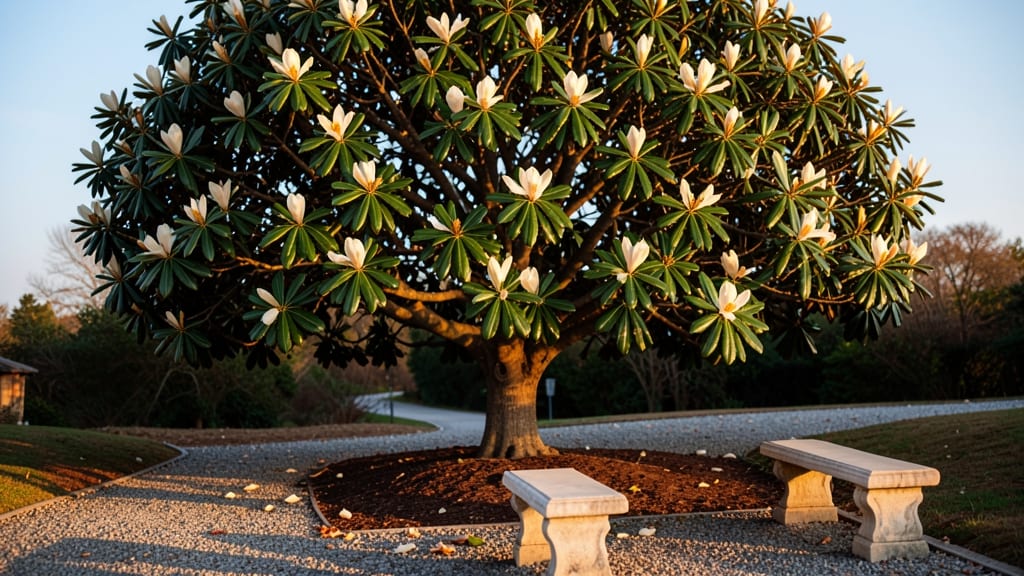
The famous botanical gardens worldwide prove that vegetables can be both productive and breathtaking—just as the Kew Royal Botanic Gardens in London does with its sunflowers and lettuces. 🌿 Their layered plantings hide unsightly fences while drawing pollinators in waves of color.
This approach works for home gardens too—just start with a sun-loving backbone of tomatoes and peppers, then weave in tall annuals like cosmos or nasturtiums for seasonal drama. The key is vertical space: trellises, obelisks, or even sturdy stakes let you stack plants upward, maximizing both privacy and harvest.
My own backyard now feels like a miniature botanical garden, with every row serving double duty.
What you'll love most is how these layouts extend the growing season visually—purple basil, red-stemmed celery, and golden chard keep the beds vibrant even when tomatoes fade.
The privacy comes naturally as foliage thickens, and you'll find yourself reaching for homegrown veggies more often just because they're so much prettier than store-bought. The best part? This works in containers too.
For cooler climates, swap heat-lovers for cold-hardy kales and Swiss chard—their deep colors and textures create just as much impact. The same principles apply whether you have a 10-foot plot or a balcony planter box.
Start small with one "living wall" section, then expand as you discover what thrives in your space.
📚 In This Guide
- What you need
- Instructions
- Tips and common mistakes
- Wrapping up and next steps
What you need
- ● Vegetable Seeds or Seedlings: 10–15 varieties (e.g., tomatoes, peppers, zucchini, lettuce, kale, herbs like basil and cilantro)
- ● Quantities: 2–5 plants per variety (adjust based on garden size)
- ● Soil & Amendments: High-quality potting mix or garden soil (50 lbs bag)
- ● Compost (20–30 lbs for nutrient-rich beds)
- ● Organic fertilizer (e.g., 10-10-10 or fish emulsion, 1–2 gallons)
- ● Garden Layout Tools: Measuring tape (25 ft)
- ● Garden stakes or labels (50+ wooden or biodegradable tags)
- ● Twine or plant markers (for organizing rows)
- ● Privacy & Aesthetic Elements: Fast-growing hedges (e.g., bamboo, boxwood, or ornamental grasses)
- ● Trellises or cages (for climbing plants like beans or cucumbers)
- ● Decorative mulch (e.g., cedar chips or straw, 10–20 lbs)
- ● Drip irrigation system or soaker hoses (for efficient watering)
- ● Row covers or shade cloth (to protect tender plants)
- ● Garden journal or app (to track planting dates and progress)
- ● Seasonal flowers (e.g., marigolds or nasturtiums) for pollinators and color
Designing a botanical garden-inspired vegetable layout for seasonal color
Here’s how to blend edible crops with ornamental plants for a lush, functional garden that thrives year-round.
🌱 Step 1: Plan for Seasonal Layers and Privacy
Start by dividing your space into four distinct zones: foreground (edible ground cover), mid-height (vegetables and herbs), background (tall perennials), and vertical elements (climbing plants or trellises). This creates depth and ensures no season feels bare. I like to use heirloom tomatoes and purple basil in the mid-height layer—their vibrant foliage and flowers add color from summer through fall, while evergreen rosemary and thyme keep the space lush in winter.
For privacy, incorporate fast-growing bamboos or ornamental grasses along borders. These block views while adding texture—just ensure they’re planted at least 3 feet from pathways to avoid crowding. Sketch your layout on graph paper, marking where each plant will go based on its mature size and light needs. This prevents overcrowding and ensures every plant has room to thrive.
☀️ Step 2: Group Plants by Light and Water Needs
Cluster vegetables with similar requirements together to simplify care. Place sun-loving crops like peppers, eggplants, and zucchini in the south or west sections of your garden, where they’ll receive at least 6-8 hours of direct sunlight daily. In contrast, leafy greens like kale, Swiss chard, and lettuce thrive in partial shade, making them ideal for the north or east edges of your layout.
Watering becomes effortless when you group plants this way. A drip irrigation system (installed along the edges of each cluster) ensures consistent moisture without overwatering. I always bury the main line 2-3 inches deep to protect it from freezing in winter and to keep it out of sight. Mulch each cluster with 3-4 inches of organic mulch—this retains moisture, suppresses weeds, and adds a polished, garden-like finish.
🌿 Step 3: Integrate Ornamental Edibles for Year-Round Interest
Swap some traditional vegetables for edible flowers and decorative varieties that double as culinary ingredients. Nasturtiums (edible leaves and blooms) trail beautifully along trellises, while calendula adds golden-yellow pops of color and has medicinal properties. Purple-stemmed celery and striped Swiss chard bring architectural interest to the mid-height layer, and their vibrant hues keep the garden visually dynamic.
Add fragrant herbs like lavender, mint, and lemon balm near seating areas or pathways. These not only repel pests naturally but also create sensory layers—crushing the leaves releases aroma, and their flowers attract pollinators. Place evergreen shrubs like boxwood or holly at the back of the layout to provide structure and privacy in winter when other plants go dormant.
✂️ Step 4: Maintain with Seasonal Pruning and Succession Planting
Prune back perennial herbs and ornamental grasses in early spring to encourage fresh growth. Cut them back by one-third to maintain their shape and prevent them from becoming too leggy. For vegetables, succession plant fast-growing crops like bush beans, radishes, and lettuce every 2-3 weeks to ensure a continuous harvest. This keeps the garden productive and visually interesting throughout the growing season.
In fall, remove spent annuals but leave perennial herbs and grasses standing for winter interest. Their seed heads and dried foliage add texture to the garden, while evergreens provide a lush backdrop. I always leave a few ornamental gourds or dried corn stalks for added rustic charm—these can be arranged in planters or hung as decorations for a true botanical garden feel.
🪴 Step 5: Add Hardscaping for Structure and Function
Incorporate garden benches, stone pathways, or a small water feature to elevate the space. A gravel pathway (laid in 2-inch-deep beds) keeps mud at bay while adding a refined touch. Place a wooden bench near a herb spiral or flower bed to create a cozy spot for harvesting or relaxing. For a touch of elegance, add wrought-iron trellises or coppers pots—these complement the garden’s botanical aesthetic while providing support for climbing plants like pole beans or morning glories.
Finally, install solar-powered garden lights along pathways and near seating areas. These illuminate the space after dark, highlighting the garden’s beauty year-round. Choose warm-white bulbs to create a welcoming ambiance without overwhelming the natural colors of the plants.
Tips & tricks for perfect botanical garden-inspired vegetable layouts
Creating a botanical garden layout that thrives year-round requires strategic planning and a few key tricks to ensure your design remains vibrant and functional. Here's what I've learned from years of designing these spaces.
Layering for Seasonal Interest: When implementing your four-layer design in Step 1, consider adding evergreen shrubs like boxwood or holly to the background layer—they provide structure and privacy even in winter when other plants go dormant. For the foreground, incorporate creeping thyme or clover as ground covers; these not only suppress weeds but also attract pollinators and add texture. I've found that using three different heights within each layer creates more visual interest and prevents the garden from looking flat.
Light Requirements: In Step 2, when grouping sun-loving crops like peppers and eggplants, remember that they need at least 6-8 hours of direct sunlight—but don't place them directly against south-facing walls where they might get too hot. Instead, position them 6-12 inches away from walls to allow airflow while still maximizing sunlight exposure. For leafy greens in partial shade, consider adding dappled shade plants like hostas or ferns to create a more natural light gradient.
Ornamental Edibles Selection: For Step 3, when choosing ornamental edibles, prioritize plants that serve multiple purposes. Nasturtiums aren't just beautiful—they're edible and act as natural pest deterrents. Similarly, calendula repels aphids while adding vibrant color. I always include at least one culinary herb like lavender or lemon balm near seating areas; their fragrance creates an inviting atmosphere while serving a functional purpose. For the mid-height layer, consider striped Swiss chard—its colorful stems add visual appeal while providing edible greens.
Maintenance Strategy: The one-third pruning in Step 4 works best when done in early spring before new growth begins. For ornamental grasses, I recommend using clean, sharp pruners to avoid tearing the leaves. When succession planting, stagger your 2-3 week intervals by starting with the fastest-growing crops (like radishes) and ending with slower varieties (like lettuce). This creates a continuous harvest while maintaining visual interest throughout the season.
Pro Tips for Famous Botanical Gardens
- Creating a botanical garden layout that thrives year-round requires strategic planning and a few key tricks to ensure your design remains vibrant and functional.
- For the foreground, incorporate creeping thyme or clover as ground covers; these not only suppress weeds but also attract pollinators and add texture.
- Instead, position them 6-12 inches away from walls to allow airflow while still maximizing sunlight exposure.
Frequently asked questions
Exploring famous botanical gardens for vegetable layouts can spark curiosity—here are answers to common questions to help you plan your seasonal garden with confidence!
What’s the best time of year to plant vegetables in a botanical garden layout?
Most botanical gardens thrive with spring planting (March–May) for cool-season veggies like lettuce and peas, while summer planting (June–July) suits tomatoes, peppers, and cucumbers. Fall planting (August–September) extends harvests with kale, carrots, and radishes. Check your local frost dates for precision!
How do I maintain year-round privacy in a vegetable garden?
Layer fast-growing plants like bamboo or tall sunflowers for quick privacy, then add evergreen shrubs (e.g., boxwood or holly) for long-term coverage. Climbing vines (e.g., morning glories or clematis) on trellises also create natural screens while supporting edibles like pole beans.
Can I mix flowers and vegetables in a botanical garden layout?
Companion planting
boosts yields and beauty—try marigolds (pest-repellent) with tomatoes or nasturtiums (edible flowers) near cucumbers. Herbs like basil or thyme also thrive alongside veggies while adding fragrance and color.
What’s the biggest mistake beginners make with seasonal veggie gardens?
Overcrowding plants or ignoring sunlight needs (e.g., leafy greens vs. sun-loving tomatoes). Solution: Plan spacing per seed packets and rotate crops yearly to prevent soil depletion. Start small! A 4’x4’ bed is manageable for first-timers.
Are there low-maintenance alternatives to traditional vegetable gardens?
Yes! Try container gardening (herbs in pots) or raised beds for easier access and drainage. Dwarf varieties (e.g., bush beans, patio peppers) also reduce upkeep. For privacy, hedge-like veggies like okra or tall corn can double as living screens.
Wrapping up and next steps
From Kew Gardens’ lush canopies to Longwood’s vibrant borders, these famous botanical gardens prove that vegetable layouts can be both functional and breathtaking—packing year-round privacy and seasonal color into every plot.
Whether you’re a seasoned gardener or a curious beginner, their designs offer inspiration to transform your garden into a thriving, ever-changing sanctuary. 🌿
Ready to bring this vision to life? Start small—sketch a layout, gather your plants, and let nature do the rest. Your garden’s next masterpiece is just a seed away! 🌱