
Landscaping
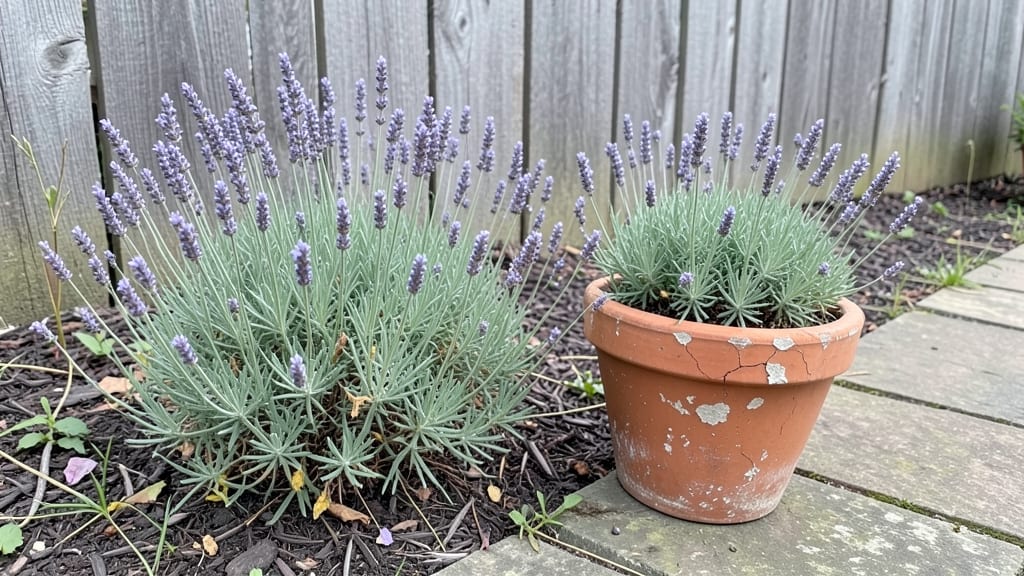
The Mediterranean garden design I fell in love with combines sun-drenched charm with plants that thrive on neglect. 🌿 This isn't just about pretty pots—it's about creating a space that feels like a sunlit hillside retreat, even in your backyard.
The key is matching drought-tolerant plants to your local climate while keeping the signature terracotta and stone elements that make it instantly recognizable.
Start with a color palette of sandy beiges, deep blues, and sun-bleached greens—think lavender, olive trees, and rosemary—all of which handle heat and dry spells like pros. Add hardscaping with flagstone paths, rustic wooden trellises, and those iconic terracotta containers, and you've got the bones of an authentic Mediterranean look.
Even in small urban spaces, this style works—just scale down the plants and use vertical elements to save room.
What you'll end up with is a garden that's low-maintenance but high-impact, where every plant feels intentional and every corner invites you to linger.
The fragrance of lavender on warm evenings, the silvery foliage catching the light, and the way olive trees sway in the breeze—it's a sensory experience that keeps giving long after the flowers fade. Here's how to bring it all together without breaking the bank.
Works for everything from a tiny balcony to a sprawling backyard—just adjust the scale and focus on the plants that make your heart race when you walk through a Mediterranean village. The secret? Start small, let the plants do the work, and enjoy the process as much as the result.
📚 In This Guide
- What you need
- Instructions
- Tips and common mistakes
- Wrapping up and next steps
What you need
- ● Climate-Resilient Plants: Olive trees (1–3, depending on space)
- ● Lavender bushes (5–10 plants for fragrance)
- ● Rosemary, thyme, oregano (3–5 plants per herb)
- ● Drought-tolerant succulents (e.g., sedum, agave – 10+ plants)
- ● Grapes or pomegranate trees (1–2, if space allows)
- ● Low-growing ground covers (e.g., Sedum or Ajuga – 15+ plants)
- ● Hardscaping: Pebbles or gravel (1–2 tons, ½"–1" size for pathways)
- ● Terracotta pots (5–10, varying sizes for plants)
- ● Stone borders or flagstone (50–100 sq. ft., 1"–2" thick)
- ● Wooden trellises (2–4, for climbing plants like jasmine)
- ○ Water Features (Optional): Small fountain or shallow pool (1–2, with solar-powered pump)
- ● Decorative urns (2–4, for water collection)
- ● Shovel and spade (for digging)
- ● Garden trowel (for precision planting)
- ● Wheelbarrow (1, for hauling materials)
- ● Pruners (sharp, for shaping plants)
- ● Rake (for leveling gravel/sand)
- ● Level (to ensure even surfaces)
- ● Hose with adjustable nozzle (for watering)
- ● Safety gloves and knee pads (for comfort)
- ● Sunlight: Ensure your space gets at least 6–8 hours of direct sunlight daily—critical for Mediterranean plants!
- ● Well-Draining Soil: Amend clay soil with sand or gravel (1–2 bags per 10 sq. ft.) for optimal drainage.
- ● Water Access: Plan for drip irrigation or soaker hoses to conserve water (Mediterranean gardens thrive on infrequent, deep watering).
- ● Local Climate Check: Verify hardiness zones (most Mediterranean plants prefer Zones 7–10).
- ● Permits (if needed): Check local regulations for large structures (e.g., fountains, trellises).
Step-by-Step instructions for creating a Mediterranean garden design
Here's how to craft a timeless Mediterranean garden that thrives with minimal fuss.
🌿 Step 1: Define Your Layers and Zones
Start by sketching your space, dividing it into three key layers: tall structures, mid-height plants, and ground cover. Mediterranean gardens excel with vertical elements first—think olive trees, cypress, or pomegranates as your backbone. These provide shade and structure while saving water by reducing evaporation from the soil.
Next, mark your sun exposure zones. Mediterranean plants love 6-8 hours of full sun daily, but some, like lavender, tolerate partial shade. I always place sun-lovers in the south-facing areas and shade-tolerant plants toward the north. This ensures every plant gets the right conditions without competition.
🪴 Step 2: Select Climate-Resilient Plants
Choose plants that thrive in dry, hot climates with well-draining soil. For your tall layer, consider olive trees, rosemary bushes, or dwarf citrus trees—these handle drought once established. Mid-height plants like lavender, thyme, or salvia add texture and fragrance while requiring minimal water.
For ground cover, opt for creeping thyme or low-growing sedum. These plants suppress weeds, retain moisture, and create a lush carpet that feels inviting underfoot. I avoid anything that needs frequent watering—Mediterranean gardens should look effortless, not high-maintenance.
☀️ Step 3: Design for Water Efficiency
Install a drip irrigation system to deliver water directly to the roots, reducing waste. Mediterranean gardens thrive on deep, infrequent watering—aim for 1-2 inches per week during dry spells. I always water in the early morning to minimize evaporation and fungal risks.
Add gravel pathways or mulch around plants to reflect sunlight and keep roots cool. This also slows water evaporation, so you spend less time maintaining moisture. Group plants with similar water needs together to simplify irrigation—no more guessing which plants need a drink.
✂️ Step 4: Add Mediterranean Touches
Incorporate rustic elements like terracotta pots, weathered stone, or wrought-iron trellises. These add charm while blending seamlessly with the natural aesthetic. I like to mix smooth river rocks with rough-hewn boulders for contrast—it feels organic yet intentional.
Don’t forget the fragrance! Plant herbs like rosemary, oregano, and mint near seating areas so you can enjoy their scents while relaxing. Even a single potted lemon tree adds a burst of citrus fragrance and beauty. These small details make the garden feel alive and inviting.
🌱 Step 5: Maintain with Minimal Effort
Prune plants lightly in late winter to encourage new growth, but avoid heavy trimming—Mediterranean plants often look best when left slightly wild. Remove spent blooms to keep flowers coming, but resist the urge to over-tidy. The goal is a garden that feels natural and sustainable.
Check soil moisture weekly by sticking your finger 2 inches deep. If it’s dry, water deeply. If it’s still moist, wait another day. Overwatering is the fastest way to kill a Mediterranean garden—these plants are built to survive drought, not constant moisture.
Tips & tricks for perfect Mediterranean garden design
Here's what I've learned after designing several drought-resistant Mediterranean gardens that thrive year after year.
Layering Secret: In Step 1, when defining your layers, I recommend starting with your tallest plants first—this creates natural shade for lower layers. Place olive trees or cypress on the north side of your garden to provide afternoon shade for sun-sensitive plants. This simple arrangement can reduce water needs by up to 30% by lowering evaporation from the soil surface.
Sun Exposure Strategy: The 6-8 hours of full sun mentioned in Step 1 is ideal, but I've found that most Mediterranean plants actually thrive with slightly less—around 5-6 hours—especially in hot climates. Use a simple sun calculator app to track sunlight patterns in your space for a week before planting to avoid overestimating sun exposure.
Plant Grouping: In Step 3, when designing for water efficiency, group plants with similar water needs together—this is called hydrozoning. For example, place rosemary and thyme together as they prefer drier conditions, while lavender and salvia can share slightly more moisture. This approach can cut your water usage by nearly half while keeping all plants happy.
Fragrance Placement: When adding those Mediterranean touches in Step 4, position fragrant plants like rosemary and oregano near seating areas or walkways. The scent will naturally guide visitors through your garden while creating an inviting atmosphere. I've also found that planting lemon trees near kitchen windows adds a lovely citrus aroma while you cook.
Pro Tips for Mediterranean Garden Design
- Here's what I've learned after designing several drought-resistant Mediterranean gardens that thrive year after year.
- Layering Secret: In Step 1, when defining your layers, I recommend starting with your tallest plants first—this creates natural shade for lower layers.
- Sun Exposure Strategy: The 6-8 hours of full sun mentioned in Step 1 is ideal, but I've found that most Mediterranean plants actually thrive with slightly less—around 5-6 hours—especially in hot climates.
Frequently asked questions
Got questions about creating a stunning Mediterranean garden design? You’re not alone! Here are some of the most common queries—plus straightforward answers to help you get started.
What are the best low-maintenance plants for a Mediterranean garden?
A Mediterranean garden thrives with drought-tolerant plants like lavender, rosemary, olive trees, and succulents. These plants require minimal watering once established and love sunny, well-drained conditions. Pro tip: Group plants with similar water needs to simplify care!
How long does it take to establish a Mediterranean garden?
Most Mediterranean plants take 1–3 years to fully establish, depending on climate and soil. During this time, focus on mulching to retain moisture and reduce weeds. Patience pays off—once rooted, these gardens become resilient and low-maintenance!
Do Mediterranean gardens need irrigation systems?
While some Mediterranean plants tolerate dry spells, an efficient irrigation system (like drip irrigation) is ideal for new gardens or hot climates. Aim for deep, infrequent watering to encourage strong root growth. Troubleshoot: Overwatering can harm drought-resistant plants—always check soil moisture first!
Can I create a Mediterranean garden in a cooler climate?
Opt for hardy Mediterranean plants like thyme, sage, or dwarf conifers, which tolerate milder temperatures. Use containers for flexibility and add sun-loving annuals for seasonal color. Bonus: A south-facing wall or greenhouse can extend your growing season.
What’s the biggest mistake beginners make with Mediterranean gardens?
The top mistake? Overwatering or using heavy, clay-rich soil. Mediterranean plants prefer well-draining, sandy, or gravelly soil. Start with raised beds or amend soil with perlite if needed. Remember: Less is more—these gardens shine with minimal intervention!
Wrapping up and next steps
Creating a Mediterranean garden design isn’t just about beauty—it’s about crafting a resilient, low-maintenance outdoor space that thrives in your climate while celebrating timeless charm. By blending drought-tolerant plants, rustic textures, and layered elements, you’ll design a garden that’s as sustainable as it is stunning. 🌿✨
Ready to bring this vision to life? Start small—whether it’s a single olive tree, a fragrant herb spiral, or a cozy seating nook—and let your garden evolve over time. The Mediterranean magic is in the details, so take the first step today!