
Landscaping
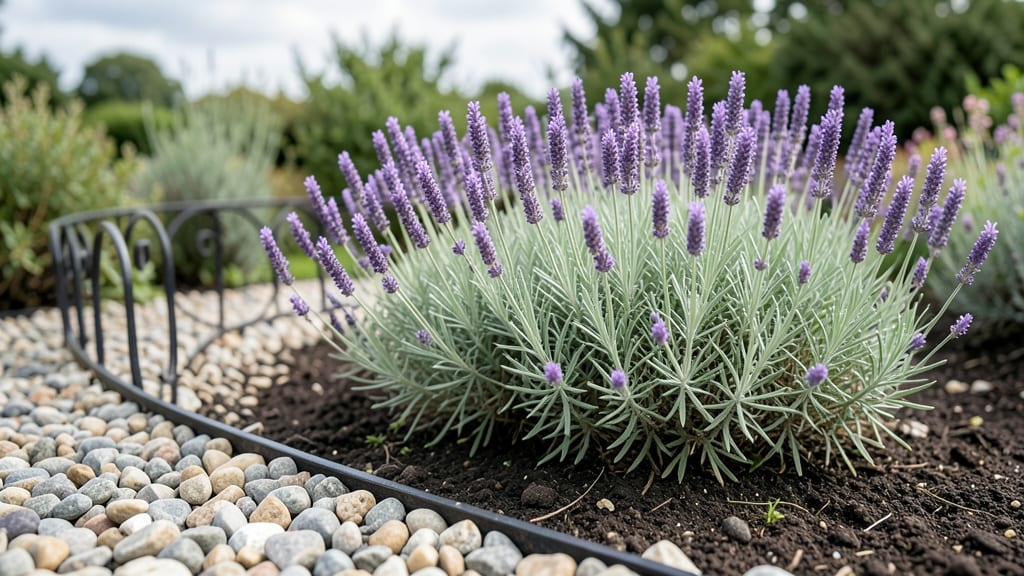
French-inspired parterre garden design transforms any yard into a structured masterpiece with clean lines and layered greenery. I fell in love with this style after visiting Versailles—those symmetrical hedges and precise plantings create a sense of order that feels both grand and intimate.
The key lies in the geometry: sharp edges, repeating patterns, and strategic color blocking that draws the eye while maintaining harmony.
You don’t need acres to pull this off—even a 6-foot-wide border can work with scaled-down shapes. Start with boxwood or yew hedges for the foundation, then layer perennials like lavender, salvia, and ornamental grasses for texture.
The color scheme should echo the architecture of your home, using 2-3 dominant hues with contrasting accents for visual pop. Maintenance stays manageable with regular trimming and mulching to keep those crisp lines sharp.
What you’ll end up with is a garden that looks effortlessly polished, where every plant has its place and every season reveals new details. The spring blooms peek through winter mulch, summer foliage creates lush shadows, and fall’s fiery hues contrast beautifully against evergreens.
This style works year-round, proving that timeless elegance doesn’t require constant upkeep—just intention.
Adapt it to your space: small gardens can use narrow parterres along walkways, while larger yards might incorporate multiple sections with pathways weaving between. For modern touches, mix in drought-tolerant plants or add subtle lighting to highlight the structure after dark.
Here’s how to make it uniquely yours while keeping that classic French flair.
📚 In This Guide
- What you need
- Instructions
- Tips and common mistakes
- Wrapping up and next steps
What you need
- ● Soil & Amendments: Topsoil (10–12 cubic yards, depending on garden size)
- ● Compost (2–3 cubic yards for nutrient-rich soil)
- ● Sand (1–2 cubic yards for drainage, if needed)
- ● Edging & Structure: Low boxwood hedges (12–24 plants, spaced 12–18" apart)
- ● Metal or stone edging (10–20 ft, depending on design)
- ● Gravel or crushed stone (1–2 bags for pathways)
- ● Plants & Foliage: Low-growing perennials (e.g., lavender, rosemary, thyme)
- ● Annuals for color (e.g., marigolds, pansies, or snapdragons)
- ● Shrubs for height variation (e.g., dwarf boxwood, cotoneaster)
- ● Tools: Shovel & spade
- ● Garden rake & level
- ● Pruners & hedge shears
- ● Wheelbarrow (for hauling materials)
- ● Measuring tape & string line (for precision layouts)
- ● Mulch (2–3 bags for weed suppression)
- ● Decorative borders (e.g., wrought iron or copper)
- ● Statues or ornamental features (for a classic French touch)
- ● Drip irrigation system (for low-maintenance watering)
Instructions for crafting a classic parterre garden layout
Here’s how to create the structured elegance of a French parterre—where geometry meets nature in harmonious layers.
Define the Garden’s Central Axis and Shape
The parterre’s foundation begins with a precise geometric design. Start by marking the garden’s center point using a measuring tape and stakes—this will anchor your layout. For a traditional parterre, choose a symmetrical shape like a square, rectangle, or circular design, with a central path radiating outward. Use a garden hose or string to outline the perimeter, adjusting until the proportions feel balanced (think 1:1 for squares or 2:1 for elongated rectangles).
I like to sketch the design on graph paper first, scaling it to fit your space. The key is symmetry: each side should mirror the other, with the central axis dividing the garden into equal halves. Once the outline is set, use a sharp spade to cut a shallow trench along the edges—this will guide your planting beds later.
Create the Layered Bedding Structure
A parterre thrives on its layered beds, typically divided into three distinct tiers: the central path, the middle border, and the outer edge. Begin by shaping the beds with clean, crisp edges—use a straightedge and a sharp spade to achieve sharp lines. The middle border is usually the widest, tapering slightly toward the outer edges for visual interest.
For drainage and soil health, mix 2 cubic yards of topsoil with 1 cubic yard of compost in each bed before planting. Rake the surface smooth, then outline the beds with low edging materials like brick, stone, or metal strips to maintain their shape. This step ensures your design stays crisp over time, even as plants grow.
Plant in Geometric Patterns for Visual Impact
The magic of a parterre lies in its structured planting. Start with low-growing perennials like boxwood or lavender for the outer edges, arranged in tight, repeating patterns—think squares, diamonds, or chevrons. For the middle border, use medium-height plants like roses or hydrangeas, spaced evenly to create a lush, uniform look.
Fill gaps with annuals or bulbs for seasonal color, ensuring each plant complements the overall design. I recommend using a grid system: measure and mark planting spots with stakes before inserting each plant. This precision keeps the garden looking intentional, even as it matures.
Add Hardscaping for Structure and Contrast
To elevate the parterre’s elegance, incorporate hardscaping elements like gravel paths, stone borders, or decorative urns. A central fountain or obelisk can anchor the design, while low walls or box hedges define the edges. Use materials that complement the garden’s color palette—light-colored stone or metal for a classic look, or darker tones for contrast.
Here’s where I get creative: I often add a small, sculptural element like a sundial or a decorative gate to draw the eye. Just ensure these features align with the garden’s symmetry—nothing should disrupt the balanced flow. Mulch the beds with 1 bag of decorative gravel to suppress weeds and enhance the polished appearance.
Maintain the Garden’s Precision Over Time
A parterre demands regular upkeep to preserve its symmetry. Prune plants as they grow, shaping them to maintain their geometric forms. Trim boxwood hedges into neat squares, and shear roses into rounded mounds. Water deeply but evenly—1 inch per week—to keep soil moist without encouraging weeds.
Seasonal adjustments are key: swap out annuals for new varieties to keep color vibrant, and refresh mulch annually. I schedule a monthly check to adjust stray stems and reinforce edges. With consistent care, your parterre will remain a timeless focal point, blending French elegance with natural beauty.
Tips & tricks for perfect parterre garden design
Creating a flawless parterre requires attention to detail that transforms a simple garden into a masterpiece of French elegance. These refined techniques will help you achieve that signature symmetry and sophistication.
Precision in Step 1: When marking your garden's center point in Step 1, use a laser level or string line stretched between stakes for absolute straightness. I've found that even a slight deviation at this stage becomes exponentially more noticeable as you progress. For circular designs, use a garden hose as a guide while walking around the center point to ensure perfect radius consistency. The key is patience—rushing this foundational step will compromise your entire design.
Soil Preparation Strategy: In Step 2, don't skimp on the soil mixture. The 2 cubic yards of topsoil to 1 cubic yard of compost ratio creates ideal drainage while retaining moisture. For particularly heavy clay soils, consider adding 1/3 cubic yard of perlite to improve aeration. I recommend testing your soil's pH before planting—most parterre plants thrive in slightly acidic to neutral soil (pH 6.0-7.0). Adjust with lime or sulfur as needed before incorporating your compost mixture.
Planting Layout Secret: For Step 3's geometric patterns, create a planting template using graph paper scaled to your actual measurements. This allows you to visualize the design before making any cuts. I've discovered that using colored pencils to represent different plant types helps identify potential color clashes before they happen. When planting, use a dibble bar to create evenly spaced holes—this ensures consistent plant spacing that's crucial for that formal look.
Hardscaping Harmony: When adding hardscaping elements in Step 4, consider the "rule of thirds" for placement. Position your focal point (like a fountain or obelisk) slightly off-center to create visual interest while maintaining balance. For edging materials, choose options that complement your plant palette—light-colored stone works beautifully with pastel flowers, while dark metal edging creates striking contrast with vibrant blooms. Remember that hardscaping should enhance, not compete with, your plantings.
Pro Tips for Parterre Garden Design
- Creating a flawless parterre requires attention to detail that transforms a simple garden into a masterpiece of French elegance.
- Precision in Step 1: When marking your garden's center point in Step 1, use a laser level or string line stretched between stakes for absolute straightness.
- Soil Preparation Strategy: In Step 2, don't skimp on the soil mixture.
Frequently asked questions
Got questions about bringing parterre garden design to life? Here are answers to the most common queries—from planning to maintenance—so you can create a stunning, low-maintenance French-inspired space with confidence!
What’s the best time of year to start a parterre garden?
Spring and early fall are ideal! Planting in spring (after the last frost) ensures roots establish before summer heat, while fall planting (6-8 weeks before frost) gives perennials time to settle. Avoid winter planting—frost can damage tender plants. For annuals, wait until all danger of frost has passed in your zone.
How do I determine the right size for my parterre?
Size depends on your space and vision! Classic parterres are symmetrical and often 2–4 feet wide with raised edges. For a small yard, start with a 6-foot length; larger spaces can accommodate 10–15 feet or more. Pro tip: Measure your garden bed and sketch a rough layout before digging to avoid mistakes.
Are parterre gardens expensive to install and maintain?
Initial costs vary based on materials: gravel or stone edging (moderate), brick or boxwood hedges (higher), and topsoil/amendments (budget-friendly). Maintenance is low—mulching annually and trimming hedges 2–3 times per year keeps costs under $100/year. DIY-friendly! Start small to save.
Can I use native plants in a parterre design?
Native perennials like coneflowers, black-eyed Susans, or hostas thrive in parterres and attract pollinators. Just ensure they fit the formal, layered look—opt for neat foliage (e.g., boxwood or lavender) for structure and colorful blooms (e.g., salvia or daylilies) for contrast. Mix textures for depth!
What’s the quickest way to fix uneven or sagging soil in a parterre?
Uneven soil? Regrade first! Remove sod, loosen compacted soil with a fork, and add 2–3 inches of compost or topsoil. For sagging edges, reinforce with landscape fabric and gravel before replanting. Water deeply after planting to settle the soil. Pro tip: Check drainage—parterres should slope slightly away from structures to prevent erosion.
Wrapping up and next steps
A parterre garden design brings French-inspired elegance to your outdoor space with structured layers and vibrant colors. Whether you’re drawn to geometric precision or lush, flowing plant beds, this timeless style elevates any landscape into a masterpiece. 🌿
Ready to transform your garden? Start small—sketch a simple layout or experiment with a single parterre bed. Take the first step today! Your future garden awaits.