
Planting
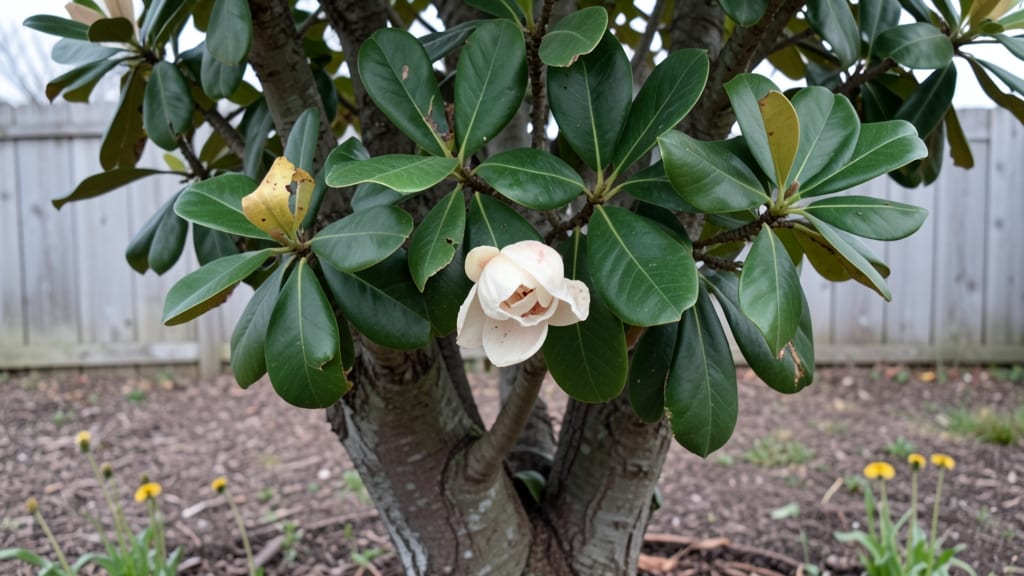
Understanding Louisiana gardening zones is key to picking plants that thrive year-round in this subtropical state, where USDA Zones 7b to 9a dominate—with coastal areas often reaching Zone 9. This means warm-season crops and tropical plants flourish continuously, while cooler-season vegetables perform best in fall and winter months.
Louisiana's unique subtropical climate creates ideal conditions for heat-loving plants, but it also brings challenges like humidity and occasional hurricanes. 🌿 The northern regions, like Shreveport, typically fall into Zone 8, while New Orleans and coastal areas enjoy Zone 9's warmer temperatures.
This variation means gardeners in Zone 8 can grow a wider range of cold-hardy vegetables, while Zone 9 gardeners focus on drought-resistant tropical species that thrive in the heat.
What sets Louisiana apart is its ability to grow citrus trees, hibiscus, and palm varieties year-round, even in Zone 7b areas. The key is choosing plants that match your specific microclimate—whether you're dealing with the cooler hills or the humid coastal plains.
I always recommend checking your exact location on the USDA map, as even small differences in elevation or proximity to water can shift your effective zone by half a letter.
💡 In This Article
- How Louisiana’s Climate Affects Plant Hardiness Zones
- Top Plants for Louisiana’s Gardening Zones by Season
How Louisiana’s climate affects plant hardiness zones
Louisiana’s subtropical climate creates a unique gardening environment where high humidity (typically 70-80%) and long growing seasons (280-320 frost-free days) dominate. The state’s proximity to the Gulf of Mexico moderates temperatures, preventing extreme cold snaps that plague northern regions.
Here’s what’s actually happening: the Gulf’s warm currents push temperatures up, while the Mississippi River valley acts as a heat sink, keeping nights warmer than inland areas. This creates microclimates where Zone 7b in northern Louisiana can experience 20-30°F colder winters than Zone 9a along the coast.
The key factor is Louisiana’s heat index, which often exceeds 100°F in summer months. This persistent warmth allows tropical plants like citrus and palms to thrive year-round, even in Zone 8 areas.
Coastal regions benefit from the "maritime effect"—ocean breezes that prevent heat stress on plants, while inland areas face more intense afternoon sun.
Hurricane risks also play a role: salt spray and wind damage require gardeners in coastal Zones 9a/9b to choose hurricane-resistant plants like coontie palm or muhly grass, which can withstand 120 mph winds with proper staking.
What most people don’t realize is how Louisiana’s soil composition varies dramatically across zones. The northern clay soils (common in Zone 7b/8a) drain poorly, while coastal areas have sandy, well-draining soils ideal for tropical species.
This means a camellia bush might thrive in Zone 8’s acidic soils but struggle in Zone 9’s alkaline coastal sands. The state’s 30-40 inches of annual rainfall also creates challenges—overwatering kills drought-tolerant plants, while waterlogged soils prevent root development in tropical species. 🌊
Seasonal variations show why Louisiana’s zones differ from northern climates. While northern gardeners face 60-90 days of winter dormancy, Louisiana’s Zone 9 areas experience only 10-20 days below 32°F annually.
This allows year-round gardening: spring brings azaleas and gardenia blooms, summer supports okra and sweet potatoes, fall produces broccoli and carrots, and winter still yields kale and collard greens. The trade-off? Pests like armyworms and whiteflies thrive in this warm climate, requiring more vigilant pest control.
Consider these regional differences when planning your garden:
- Northern Louisiana (Zone 7b-8a): Shorter growing season (240 days frost-free), cooler winters (20°F lows), ideal for peaches and apples
- Central Louisiana (Zone 8b): Balanced climate, supports figs and olives, moderate hurricane risk
- Coastal Louisiana (Zone 9a-9b): Year-round growing, 100+ days above 80°F, requires salt-tolerant plants
The science behind this involves heat accumulation—Louisiana’s zones are determined by how quickly plants accumulate growing degree days (GDD). A Zone 9 area accumulates 4,500+ GDD annually, while Zone 7b areas reach only 3,000-3,500 GDD.
This explains why mango trees (which need 5,000+ GDD) only thrive in southern Louisiana, while blueberries (needing 2,500-3,000 GDD) grow well in northern zones. 🌱
For gardeners, the takeaway is simple: match your plants to your microclimate. Use the USDA map as a starting point, then adjust for local conditions—coastal gardeners should plant 1-2 zones harder to account for salt exposure, while inland gardeners can push zone limits with winter protection.
The result? A garden that thrives year-round in Louisiana’s unique subtropical paradise.