
Companion Plants
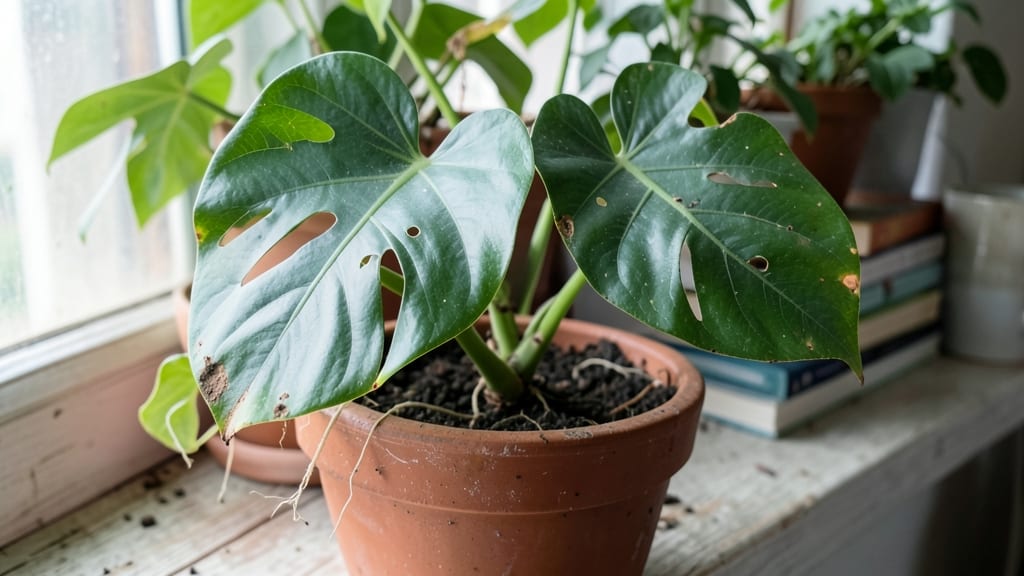
Growing tropical plants 🌴 in your garden unlocks a world of vibrant foliage and exotic blooms—but it starts with understanding their exact needs.
You’ve probably seen those glossy leaves wilt or flowers droop after just a few weeks, even with daily watering. The secret isn’t just soil or sunlight—it’s the humidity, light balance, and drainage most gardeners overlook.
With the right tricks, you can coax even finicky species like hibiscus or bird of paradise to thrive, whether in pots or in-ground.
From mimicking tropical moisture levels to choosing the perfect soil mix, this guide cuts through the guesswork. You’ll learn how to adjust for your climate, spot early signs of stress, and keep pests at bay—without spending hours fussing over them daily.
Ready to turn your garden into a lush, year-round tropical escape? Let’s dive into the simple yet game-changing techniques that make all the difference.
How to mimic tropical humidity in your garden for thriving plants
Tropical plants like monstera deliciosa and calathea thrive in environments with 60-80% humidity, but recreating these conditions in dry climates can feel impossible. The key lies in understanding how moisture interacts with your plants—whether you're cultivating a sunroom jungle or a backyard oasis.
Without proper humidity, your tropical plants will show signs of stress like crispy leaf edges or stunted growth, signaling they're not getting enough moisture in the air.
Many gardeners mistakenly think tropical plants only need watering, but it's the air moisture that makes the difference. For example, a bird of paradise in a dry arid climate will wilt dramatically if humidity drops below 50%.
The solution? A mix of active methods like misting and passive solutions like humidity domes. Let's dive into the techniques that work best for your setup.
- 1. Misting Schedule: Lightly mist leaves 2-3 times daily using room-temperature water. Avoid over-misting calathea or maidenhair fern—they prefer consistent moisture, not soggy leaves.
- 2. Humidity Trays: Fill a shallow tray with pebbles and water, place pots on top. This raises humidity around potted tropical plants like philodendrons without direct water contact.
- 3. DIY Humidity Dome: Cover plants with a clear plastic bag (leave gaps for airflow) or use a glass cloche. Ideal for seedlings or bromeliads needing extra moisture.
- 4. Grouping Plants: Cluster moisture-loving plants together to create a microclimate. A group of 5-10 plants can raise humidity by 10-15% naturally.
- 5. Indoor Greenhouse: Use a humidifier or ultrasonic humidifier near your plants. Set it to maintain 60-70% humidity for indoor tropical plants like orchids.
For outdoor gardens, focus on natural shade and mulch. A thick layer of organic mulch (like pine bark) retains soil moisture and slowly releases it, keeping humidity higher near the plant base.
Pair this with drip irrigation to mimic the consistent rainfall tropical plants crave. Avoid overhead sprinklers—they can dry leaves quickly and promote fungal diseases.
Indoor tropical plants, like peace lilies or ZZ plants, benefit from grouping on a humidity tray or placing near a bathroom shower (the steam helps!). If you notice yellowing leaves or leaf drop, it’s often a sign of low humidity or overwatering.
The trick is to balance moisture—never let pots sit in standing water, as this causes root rot.
One common mistake is over-misting in the evening. While misting feels like a quick fix, doing it at night can traps moisture on leaves, inviting powdery mildew or bacterial spots.
Stick to morning misting so leaves dry quickly. For large tropical plants like rubber plants, a spray bottle with fine mist works better than a heavy soak.
If you're growing tropical plants outdoors in a dry climate, consider creating a shaded microclimate. Use lattice screens or cloches to filter sunlight while retaining humidity. For container gardens, opt for terracotta pots—they breathe better than plastic, reducing root suffocation in high humidity.
Always check the soil moisture before watering; stick your finger 1 inch deep—if it’s dry, it’s time to hydrate.
For high-maintenance tropical plants like orchids, invest in a humidity gauge to monitor levels. Aim for 70-80% humidity during active growth phases. If your home’s humidity drops below 50% in winter, a small humidifier near your plants can make a world of difference.
Pair this with regular leaf wiping to remove dust, which blocks stomata and reduces a plant’s ability to absorb moisture.
Remember, tropical plants aren’t just about water—they need consistent environmental conditions. Combine misting, grouping, and humidity trays for the best results. With these techniques, even dry-climate gardeners can grow lush, thriving tropical plants year-round.
Start small, monitor your plants closely, and adjust as needed—your green jungle will thank you! 🌿
Tropical plant light requirements: balancing bright indirect sunlight for maximum growth
Most tropical plants thrive under bright indirect sunlight, but too much direct sun can scorch delicate leaves while too little causes leggy growth. The key is replicating their natural dappled forest canopy light—think filtered sunlight through leaves.
For example, a monstera deliciosa will flourish near an east-facing window, while a calathea needs gentle morning light to avoid stress. Understanding these nuances ensures your tropical garden stays lush and healthy year-round.
Indoor setups often struggle because standard windows don’t provide enough bright indirect light. A south-facing window offers the best natural light, but even then, plants like orchids or ferns may need supplemental grow lights to prevent etiolation (stretched, weak stems).
Artificial lighting with full-spectrum LED grow lights can bridge the gap, especially in winter when daylight is shorter. The goal is to mimic the 12-14 hours of light tropical plants receive in their native habitats.
Plant Type
Ideal Light Conditions
Best Window Placement
Artificial Light Needs
Philodendron
Bright indirect light (50-70%)
East or north window
10-12 hours LED grow light
Orchid (Phalaenopsis)
Moderate to bright indirect (40-60%)
North or east window
12-14 hours grow light (cool white)
Calathea
Low to moderate indirect (20-40%)
North window or shaded spot
8-10 hours grow light (avoid direct)
Bird of Paradise
Bright indirect to partial sun (60-80%)
South or west window (filtered)
14-16 hours grow light (full spectrum)
If your home lacks ideal windows, grow lights are a game-changer. For low-light plants like calatheas, a 10-12 inch LED bulb placed 6-12 inches above the plant works well.
Meanwhile, sun-loving tropicals such as hibiscus or bird of paradise need 14-16 hours of light daily, so invest in a full-spectrum grow light on a timer. Position lights just above the plant’s canopy to avoid heat stress and rotate pots weekly for even growth.
Outdoor tropical gardens benefit from morning sun and afternoon shade, especially in hot climates. Use lightweight sheer curtains or lattice screens to diffuse harsh afternoon rays. For container gardens, move pots to shadier spots during peak sun hours (11 AM–3 PM).
This mimics the natural canopy protection tropical plants receive in their native habitats, preventing leaf scorch and sunburn.
Watch for signs of light stress: yellowing leaves or brown tips often mean too much direct sun, while pale, sparse foliage signals insufficient light. Adjust placement or lighting immediately—tropical plants recover faster from underlighting than from sun damage.
With the right balance, your tropical garden will thrive year-round, even in non-tropical climates. 🌿
Pro tip: Group plants with similar light needs together to create a microclimate that mimics their natural environment. For example, place philodendrons and pothos near each other under a south-facing window with a sheer curtain for filtered light.
This not only saves space but also reduces the risk of light-related stress across your collection. ✂️