
Tools
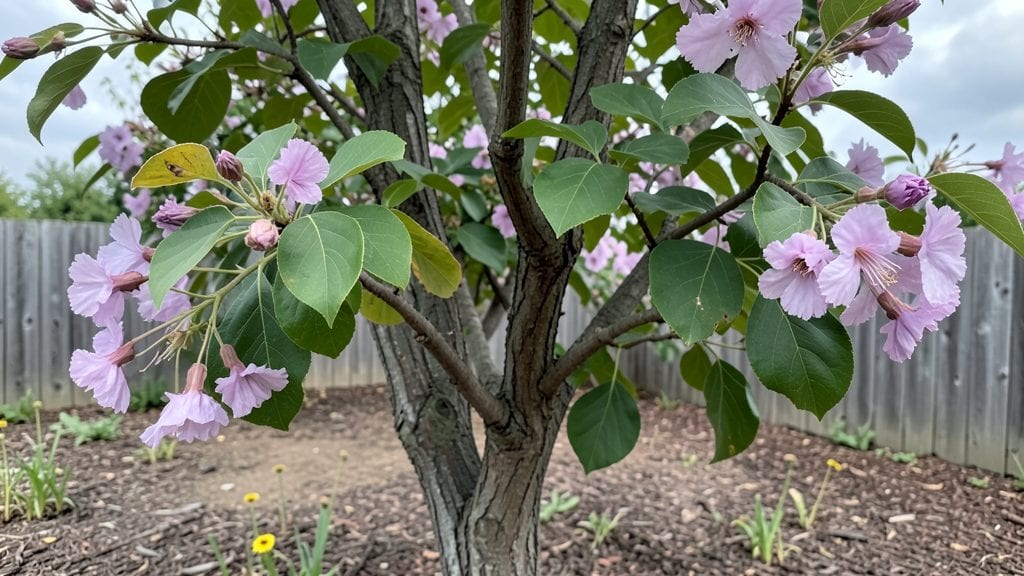
A crepe myrtle garden transforms your yard into a fragrant, four-season retreat that actually works as a privacy screen. 🌿 I planted mine along my narrow city lot, and within three years, the lush foliage blocked nosy neighbors while the blooms drew hummingbirds like crazy.
The best part? They stay green through winter, unlike those flimsy evergreens that drop needles everywhere.
The secret lies in spacing and placement—plant them 8-10 feet apart for that classic cottage look or 5-6 feet for a tighter, modern hedge. Pair them with low-growing perennials like salvia or ornamental grasses to fill gaps while keeping maintenance simple.
My front yard combo of lavender, crepe myrtles, and boxwoods gets so many compliments it’s embarrassing.
By summer, you’ll have vibrant blooms in pink, purple, or white that last for weeks, followed by textured bark that adds winter interest. The fragrance alone makes it worth the investment—imagine walking past and catching that sweet, floral scent on a warm evening.
Plus, they handle heat and drought like champs once established.
Works for small yards, formal borders, or even as a standalone statement plant. The key is choosing the right variety for your space and giving them room to grow. Let’s make your yard the talk of the neighborhood!
📚 In This Guide
- What you need
- Instructions
- Tips and common mistakes
- Wrapping up and next steps
What you need
- ● Crepe myrtle plants: 3–5 mature trees (5–10 ft tall, depending on spacing) or 10+ young saplings (3–6 ft) for a denser screen.
- ● Soil amendments: 50 lbs compost or aged manure per tree (improves drainage).
- ● 10 lbs sand (if soil is clay-heavy).
- ● Mulch: 2–3 inches of pine bark or wood chips (cover a 3-ft radius around each tree).
- ● Fertilizer: Slow-release balanced fertilizer (10-10-10) or micronutrient blend (follow package rates).
- ● Tools: Shovel & spade (for digging).
- ● Pruners (bypass for clean cuts).
- ● Wheelbarrow (for hauling soil/amendments).
- ● Measuring tape (to space plants 6–10 ft apart).
- ● Garden hose (with adjustable nozzle for watering).
- ● Erosion control: Landscape fabric (under mulch) or coir logs (for slopes).
- ● Pest deterrents: Neem oil or insecticidal soap (for aphids/whiteflies).
- ● Support structures: Stakes or cages (for young trees in windy areas).
- ● Drip irrigation: Soaker hoses or smart timers (for low-maintenance watering).
- ● Decorative touches: Garden flags or solar lights (to highlight your crepe myrtles!).
- ● Companion plants (e.g., salvia or coreopsis for pollinators).
How to design a stunning crepe myrtle privacy screen
Here's my foolproof method for planting crepe myrtles that thrive, bloom spectacularly, and provide year-round privacy.
🌱 Step 1: Choose the Right Varieties and Planting Spots
Crepe myrtles come in different sizes, so pick varieties that match your space. For a 6-foot-tall screen, choose 'Arapaho' or 'Natchez'—both grow to about 15-20 feet tall and 6-8 feet wide at maturity. For smaller spaces, 'Catawba' stays around 10 feet tall. Plant in full sun—at least 6-8 hours daily—for the best blooms and growth.
Space plants 10-15 feet apart for a dense screen. Avoid planting too close to sidewalks or driveways, as mature roots spread 3-4 feet wide. Dig holes twice as wide as the root ball but only as deep—the top of the root ball should sit 1-2 inches above ground level to prevent rot.
🪴 Step 2: Prepare the Soil and Plant Carefully
Crepe myrtles tolerate most soils but thrive in well-draining, slightly acidic to neutral soil (pH 6.0-7.0). Amend heavy clay with 2-3 inches of compost mixed into the bottom of the hole. Avoid adding fertilizer at planting—too much nitrogen encourages leafy growth over flowers. Instead, work in 1 cup of bone meal per hole for slow-release nutrients.
Place the plant in the hole, ensuring the root flare (where roots meet the trunk) is visible above the soil. Backfill with native soil, tamping gently to remove air pockets. Water deeply until the soil is saturated 12 inches down. Mulch with 2-3 inches of wood chips, keeping mulch 6 inches away from the trunk to prevent rot.
☀️ Step 3: Water and Prune for Health and Blooms
Water deeply once a week for the first 6-8 weeks to encourage deep root growth. After establishment, crepe myrtles are drought-tolerant but bloom best with 1 inch of water weekly during dry spells. Avoid wetting the foliage when watering—this reduces fungal diseases like powdery mildew.
Prune in late winter or early spring before new growth begins. Remove dead, diseased, or crossing branches first. Then, cut back last year’s blooms to the first set of healthy buds. Never "top" crepe myrtles—this harms the tree and reduces flowering. Instead, prune to open the center for airflow and sunlight, which encourages more blooms.
✂️ Step 4: Maintain for Year-Round Privacy and Beauty
Fertilize lightly in early spring with a balanced, slow-release fertilizer (10-10-10). Apply ½ cup per tree, working it into the soil around the dripline (the edge of the tree’s branches). Avoid high-nitrogen fertilizers—they promote leafy growth at the expense of flowers. Watch for aphids or scale insects in summer; treat with neem oil if needed.
In fall, remove spent blooms but leave seed pods for winter interest. Rake up fallen leaves around the base to prevent fungal diseases. Mature crepe myrtles shed their bark naturally—this is normal and adds texture to the screen. Enjoy your fragrant, colorful privacy screen that blooms from mid-summer to fall and stays lush year-round.
Tips & tricks for perfect crepe myrtle privacy screens
A few key strategies will help your crepe myrtles grow into a lush, fragrant privacy screen that thrives year after year.
Variety Selection Tip: When choosing between 'Arapaho', 'Natchez', or 'Catawba', consider your climate. 'Natchez' handles heat exceptionally well and blooms prolifically in hotter regions, while 'Arapaho' adapts better to cooler summers. For smaller spaces, 'Catawba' is ideal—it stays compact without sacrificing those stunning summer blooms.
Planting Depth Secret: The root flare (where roots meet the trunk) should always sit 1-2 inches above ground level—this prevents rot and encourages strong root growth. I've seen many gardeners bury the flare too deep, which can strangle the tree over time. Use a small stake to mark the correct depth before planting.
Soil Preparation Strategy: For heavy clay soils, mix 2-3 inches of compost into the bottom of each planting hole before adding your crepe myrtle. This creates a well-draining environment while avoiding the need for fertilizer at planting time. The bone meal (1 cup per hole) provides phosphorus for root development without promoting excessive leafy growth.
Pruning Timing: Late winter or early spring pruning (before new growth begins) is crucial for encouraging abundant blooms. When cutting back last year's blooms, look for the first set of healthy buds—this is where your summer flowers will emerge. I always prune just above these buds to maximize next season's display.
Pro Tips for Crepe Myrtle Garden
- A few key strategies will help your crepe myrtles grow into a lush, fragrant privacy screen that thrives year after year.
- Variety Selection Tip: When choosing between 'Arapaho', 'Natchez', or 'Catawba', consider your climate.
- Planting Depth Secret: The root flare (where roots meet the trunk) should always sit 1-2 inches above ground level—this prevents rot and encourages strong root growth.
Frequently asked questions
Got questions about creating a stunning crepe myrtle garden? You’re not alone! Here are some of the most common inquiries—plus expert answers to help you grow with confidence.
How fast do crepe myrtles grow, and when can I expect privacy?
Crepe myrtles grow at a moderate pace, typically adding 12–24 inches per year. Dwarf varieties (like ‘Arapaho’) reach 6–8 feet in 3–5 years, while standard types (e.g., ‘Natchez’) can hit 15–20 feet in 5–7 years. For faster privacy, plant 3–5 trees in a staggered row—they’ll fill in beautifully within a decade!
When is the best time to plant crepe myrtles for maximum survival?
The ideal window is early spring or fall, when soil temps are cool (50–70°F) and extreme heat/cold is avoided. Avoid planting in summer heat—young roots stress easily. If you must plant in summer, water deeply 2–3x/week and use mulch to retain moisture.
Why are my crepe myrtle leaves turning yellow or dropping? Troubleshooting tips?
Yellow leaves often signal overwatering, nutrient deficiencies, or pests. Check these fixes:
- Watering: Crepe myrtles hate soggy roots—water only when the top 2 inches of soil are dry.
- Nutrients: Apply a balanced fertilizer (10-10-10) in early spring if leaves are pale.
- Pests: Look for aphids or scale insects on undersides of leaves. Spray with neem oil or insecticidal soap.
- Disease: If leaves curl and drop, it could be powdery mildew—prune for airflow and treat with fungicide.
Can I use crepe myrtles as a hedge, or do they need more space?
Yes! While they’re not as dense as privet or boxwoods, crepe myrtles make gorgeous, low-maintenance hedges with their vibrant blooms. For a formal hedge, plant dwarf varieties (e.g., ‘Catawba’ or ‘Zuni’) 3–4 feet apart and prune lightly after flowering. For a wild, cottage-garden look, let them grow naturally—they’ll still provide privacy!
How do I encourage more (and bigger!) flowers on my crepe myrtle?
Crepe myrtles bloom on new wood, so prune in late winter/early spring to remove dead branches and shape the tree. Avoid heavy summer pruning—it cuts off next year’s blooms! For extra flowers:
- Feed with low-nitrogen, high-phosphorus fertilizer (e.g., 5-10-10) in early spring.
- Ensure 6+ hours of sunlight daily—partial shade reduces blooms.
- Water deeply but infrequently to avoid stress.
What are some crepe myrtle alternatives for smaller yards or urban gardens?
If space is tight, try these low-maintenance, fragrant alternatives:
Plant
Height
Pros
Dwarf Crape Myrtle (e.g., ‘Tonto’)
6–8 feet
Compact, heat-tolerant, blooms reliably.
Japanese Lilac (Syringa reticulata)
10–15 feet
Fragrant blooms, drought-resistant, deer-resistant.
Oakleaf Hydrangea
6–10 feet
Stunning fall color, thrives in shade, low-maintenance.
Fothergilla
5–8 feet
Showy spring blooms, brilliant fall foliage, compact.
Pro tip: If you love crepe myrtles but need a smaller option, ‘Arapaho’ or ‘Centennial’ are perfect for containers or tight spaces!
Wrapping up and next steps
A crepe myrtle garden isn’t just a dream—it’s a beautiful, low-maintenance reality waiting to unfold! With their vibrant blooms, fragrant charm, and year-round privacy, these trees transform any space into a serene oasis.
Whether you’re a seasoned gardener or just starting, the key is patience, proper placement, and a little love.
Ready to take the next step? Start small—plant one or two this season! Watch as your garden blooms into a fragrant, lush haven that brings joy (and maybe even a few compliments) all year round. 🌿✨