
Blooming
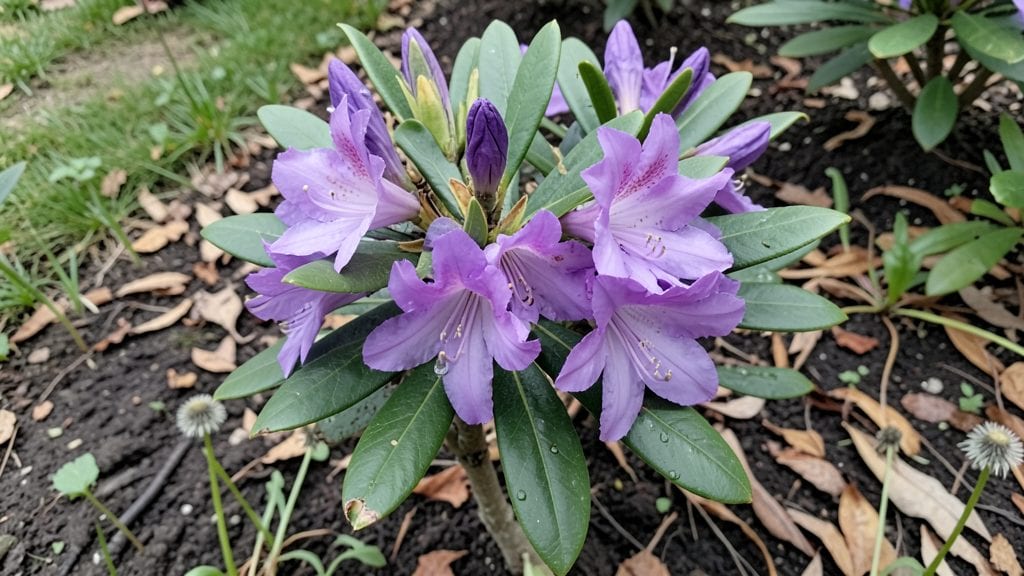
Understanding Long Island's gardening zone is key to selecting the right plants, as it spans USDA Hardiness Zones 7a to 8a, with microclimates allowing some Zone 6b and 9a varieties. Coastal areas typically sit in Zones 7b-8a, while inland regions lean toward 7a-7b, shaping frost timing and ideal plant choices like roses, hydrangeas, and cold-resistant vegetables.
This zone range means gardeners here enjoy a longer growing season than many northern areas, but coastal salt spray and occasional cold snaps can challenge plant survival. 🌿 For example, Zone 8a's milder winters let you grow tropical plants like bougainvillea, while Zone 7a's colder stretches demand frost-hardy options such as peonies or Russian sage.
The coastal moderation also means fewer extreme temperature swings, creating ideal conditions for perennials that thrive in consistent moisture.
What's particularly interesting is how these zones influence planting schedules. Zone 8a areas might see their last frost in early April, while Zone 7a regions could experience late May frosts—meaning coastal gardeners can start warm-season crops weeks earlier than inland growers.
This geographic variation is why I always recommend checking your exact microclimate before selecting plants, especially for delicate varieties.
💡 In This Article
- How Long Island’s Climate Affects Plant Hardiness
- Best Plants for Long Island’s USDA Zones
How long island’s climate affects plant hardiness
Here's what's actually happening with Long Island's climate zones: The Atlantic Ocean creates a massive temperature buffer. Coastal areas experience milder winters because water retains heat longer than land—think of how beach sand stays warm at night while inland areas drop quickly.
This oceanic influence pushes coastal regions into Zone 7b-8a, where average winter lows hover around 10-15°F, while inland areas drop to 5-10°F, landing in Zone 7a-7b. The difference might seem small, but it's enough to determine whether your camellias survive winter or need winter protection.
The salt spray from coastal winds adds another layer of complexity.
Plants near the shoreline must tolerate 3-5% soil salinity during storms, which rules out many tender perennials. Sea thrift (Armeria maritima) and beach roses (Rosa rugosa) thrive here because their roots excrete salt through tiny glands, while inland gardens can support more delicate species like hostas or bleeding hearts.
Even just 5 miles inland, salt concentrations drop by 70%, creating a sharp transition zone for gardeners.
Frost-free dates create another critical divide. Coastal Zone 8a areas typically see their last spring frost by April 15, while inland Zone 7a regions might experience frost until May 1—a 15-day difference that matters for warm-season crops.
This delay affects everything from tomato planting to when you can safely set out tender annuals like petunias. The coastal advantage also means gardeners there can extend fall harvests by 2-3 weeks before first frost, compared to inland areas.
Elevation plays a surprising role too. Even within 10 miles, hills like those in Central Park or Sag Harbor can shift zones by 0.5-1 degree.
Higher elevations get 2-3°F colder than valley areas, which is why Zone 7a might exist just 100 feet above sea level while the shoreline remains Zone 8a.
This microclimatic patchwork explains why some gardeners in Southampton can grow olive trees while neighbors 2 miles inland struggle with boxwood dieback in harsh winters.
What most people don't realize is how these zones interact with soil types.
Coastal sandy soils drain quickly but lack organic matter, while inland clay soils hold moisture but compact easily. Zone 8a gardeners can often get away with tropical plants like plumeria in containers, but the soil's poor water retention means they need daily irrigation during summer heatwaves.
Inland Zone 7a soils might support black walnut trees naturally, but their juglone toxins suppress many perennials within a 50-foot radius.
The winter survival risks highlight these differences dramatically. A 20°F night might kill Zone 8a tender plants like bougainvillea, while Zone 7a gardeners face 30°F lows that challenge even hydrangeas.
The key factor is hardiness zone math: Each zone represents a 10°F difference in average annual minimum temperature, so Zone 7a (-5°F) to Zone 8a (15°F) is a 20°F range that determines which plants make it through winter. 🌡️