
Advice
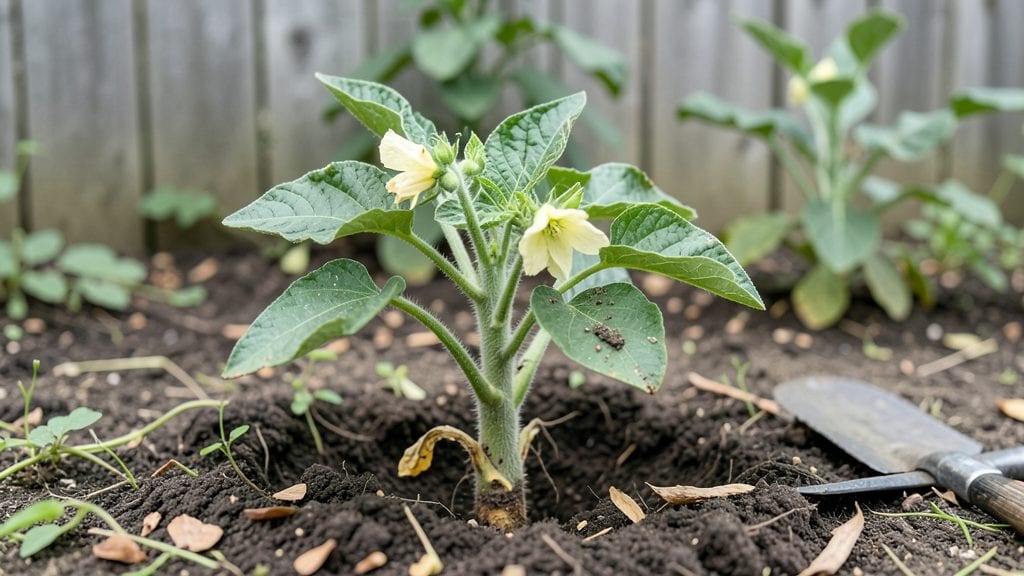
Climate zones gardening means selecting plants that thrive in your specific USDA hardiness zone (1-13) to guarantee strong growth and seasonal success—always verify your zone using the USDA Plant Hardiness Map before buying seeds or transplants.
Understanding your USDA hardiness zone is the foundation of successful gardening. These zones, determined by average minimum winter temperatures, dictate which plants can survive in your area. For example, Zone 3 plants like Siberian peashrubs handle -40°F winters, while Zone 10 plants like bougainvillea need frost-free conditions.
I always cross-reference my zone with the USDA map before choosing perennials—it saves me from costly mistakes with finicky tropical plants in colder climates.
What’s fascinating is how microclimates within a zone can create exceptions. A south-facing wall might extend your growing season by 2-3 weeks compared to the rest of your yard.
I’ve seen gardeners in Zone 6 successfully grow tomatoes in containers near heat-retaining brick walls when the official zone suggests they’d struggle. This is why I recommend testing soil temperatures and observing your local frost dates—sometimes the map isn’t the whole story.
💡 In This Article
- How USDA Hardiness Zones Determine Plant Survival
- Top Plants for Each Major USDA Gardening Zone
How USDA hardiness zones determine plant survival
The USDA hardiness zone system is built on average minimum winter temperatures, which define the coldest temperatures plants can endure. Each zone spans a 10°F range—Zone 5, for example, experiences -15°F to -20°F winters, while Zone 9 stays above 20°F.
This matters because plants have specific chilling requirements and cold tolerance thresholds. A blueberry bush, which needs 150-300 hours of chilling below 45°F, will thrive in Zone 5 but suffer in Zone 9, where winters rarely drop that low. 🔥
Frost-free days also vary dramatically by zone. Zone 1 has just 30-60 frost-free days, while Zone 10 enjoys 300+ days without frost. This affects growing seasons—citrus trees, which need 270+ frost-free days, can't survive in Zone 6, where winters regularly drop below 0°F.
The science here involves plant dormancy cycles: cold-hardy plants like Siberian peashrubs enter deep dormancy to survive sub-zero temps, while tropical plants like hibiscus lack this adaptation and die when exposed to frost.
What most gardeners overlook is how microclimates create exceptions within zones.
A sheltered urban garden might be 5°F warmer than the surrounding area, allowing Zone 6 plants to grow successfully where the map suggests they shouldn't. I've seen gardeners in Zone 7 extend their growing season by 3-4 weeks using black plastic mulch or cold frames—these techniques modify the local climate enough to push zone limits.
This is why I always recommend testing your specific conditions rather than relying solely on the zone map.
The key factor is plant physiology. Cold-hardy plants produce antifreeze proteins and osmoprotectants (like sugars and proline) that protect cell membranes during freezing. Citrus, on the other hand, lacks these adaptations and suffers cellular damage when exposed to temperatures below 28°F.
This biological difference explains why you'll never see orange trees thriving in Minnesota's Zone 4, despite creative gardening efforts. The zone system essentially maps these physiological limits to help you make informed choices. ✨
Here's what happens when you ignore these zones: In Zone 9, frost-sensitive plants like sweet potatoes won't survive winter exposure, while in Zone 3, tropical plants like mangoes will die within hours of frost.
The 10°F difference between adjacent zones can mean the difference between a thriving garden and a failed one. I once tried growing lemon trees in my Zone 5 garden—they lasted one winter before the -10°F temperatures killed them. Lesson learned: always match plants to their hardiness zone's temperature range.
For practical application, think of zones as your gardening temperature guide. If you're in Zone 5, focus on cold-resistant varieties like winter wheat or hardy kiwi. In Zone 10, prioritize drought-tolerant plants like bougainvillea or olive trees that thrive in warm climates.
The zone system gives you a starting point, but your local conditions will determine the fine-tuning needed for success. 💫