
Planting
Cincinnati gardening falls under USDA Hardiness Zones 6a and 6b, with average minimum temperatures between -10°F and -5°F (-23°C to -21°C). This zone supports a wide range of perennials, shrubs, and trees, including roses, hydrangeas, and apple trees, while frost dates typically range from mid-October to late March.
Understanding Cincinnati's gardening zone helps you pick the right plants for your yard.
The USDA Zone 6a and 6b classification means you can grow cold-hardy plants like peonies and lilacs, which thrive in these winter temperatures. 🌿 City gardens also benefit from microclimates—urban areas may experience slightly warmer conditions due to buildings and pavement, while rural spots might see earlier frosts.
This variation lets you experiment with both tender and hardy varieties without worrying about extreme conditions.
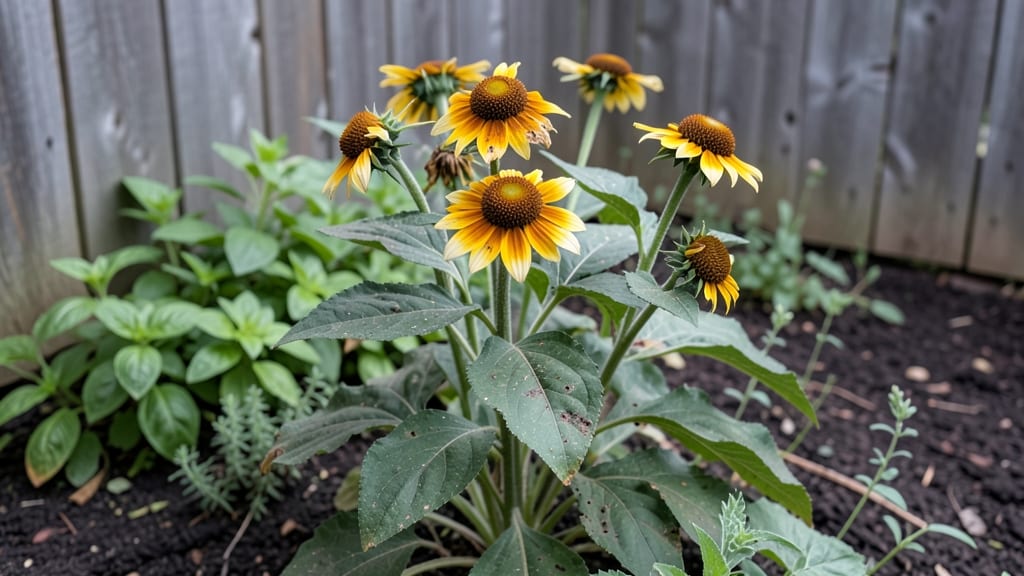
For practical planting, focus on perennials that rebound quickly after winter, such as coneflowers and black-eyed Susans, which handle Cincinnati’s humid summers and occasional heatwaves. If you’re new to gardening, start with low-maintenance shrubs like boxwood or serviceberry trees—they’re forgiving and add structure to your landscape.
The key is matching plant hardiness ratings to your zone, so always check labels before buying!
💡 In This Article
- USDA Zone 6a vs 6b: Key Differences for Cincinnati Gardens
- Best Plants for Cincinnati’s Zone 6a/6b Climate
USDA Zone 6a vs 6b: key differences for Cincinnati gardens
Here's what actually separates Zone 6a from 6b in Cincinnati: the average annual minimum temperatures. Zone 6a experiences -10°F to -5°F (-23°C to -21°C), while Zone 6b sees slightly milder winters with -5°F to 0°F (-21°C to -18°C).
This 5°F difference may seem small, but it dramatically affects plant survival during cold snaps. For example, a Zone 6a-hardy peony might struggle in a harsh 6a winter, while thriving in Zone 6b's milder conditions.
The city's urban heat island effect often pushes downtown areas into Zone 6b, while rural outskirts stay closer to 6a.
The frost-free period also varies significantly. Zone 6a typically enjoys 180-200 frost-free days, while Zone 6b extends to 200-220 days. This means Zone 6b gardeners can plant tender warm-season crops like tomatoes 1-2 weeks earlier in spring and keep them growing 10-14 days longer into fall.
The last spring frost in Cincinnati usually occurs around April 15 in Zone 6b areas, while Zone 6a may see frost as late as April 25. Conversely, first fall frosts hit Zone 6a around October 15, while Zone 6b holds off until October 25.
Microclimates create dramatic differences even within neighborhoods. Downtown Cincinnati's concrete jungle can be 3-5°F warmer than nearby parks due to the heat island effect, while hilltop gardens may experience earlier frosts and more wind exposure.
This is why a Zone 6a plant like Russian olive might thrive in a sheltered backyard while suffering in an exposed front yard. The city's varied topography—from the Ohio River valley to Mount Echo's slopes—creates these microclimates where gardeners can experiment with plants just outside their official zone.
What most people don't realize is how soil temperature interacts with air temperature. Even in Zone 6b, soil may remain 5-10°F colder than air during winter, affecting root survival.
This is why mulching becomes crucial—4-6 inches of organic mulch can protect roots from temperature swings that would otherwise kill tender plants. The science behind this involves how mulch insulates soil like a blanket, preventing rapid temperature fluctuations that damage plant cells.
In Cincinnati's climate, this insulation can mean the difference between a dead and a thriving Zone 6b hydrangea during a -5°F winter night.
Consider these key factors when choosing plants for your specific microclimate:
- Location: Downtown areas (Zone 6b) can support Zone 7 plants like crape myrtles in protected spots
- Elevation: Hilltop gardens may need Zone 5 plants due to colder air pooling
- Wind exposure: Open areas require more cold-hardy varieties than sheltered yards
- Soil type: Clay soils stay colder longer, while sandy areas warm up faster in spring
The city's varied conditions mean you can grow a wider range of plants than your official zone suggests. For example, while Zone 6a's average minimum is -10°F, most years only reach -5°F, making it safe to push boundaries with slightly tender plants.
This is why many Cincinnati gardeners successfully grow Zone 7 plants like butterfly bushes in microclimates where winter temperatures rarely dip below -5°F for extended periods. 🌿