
Lawn
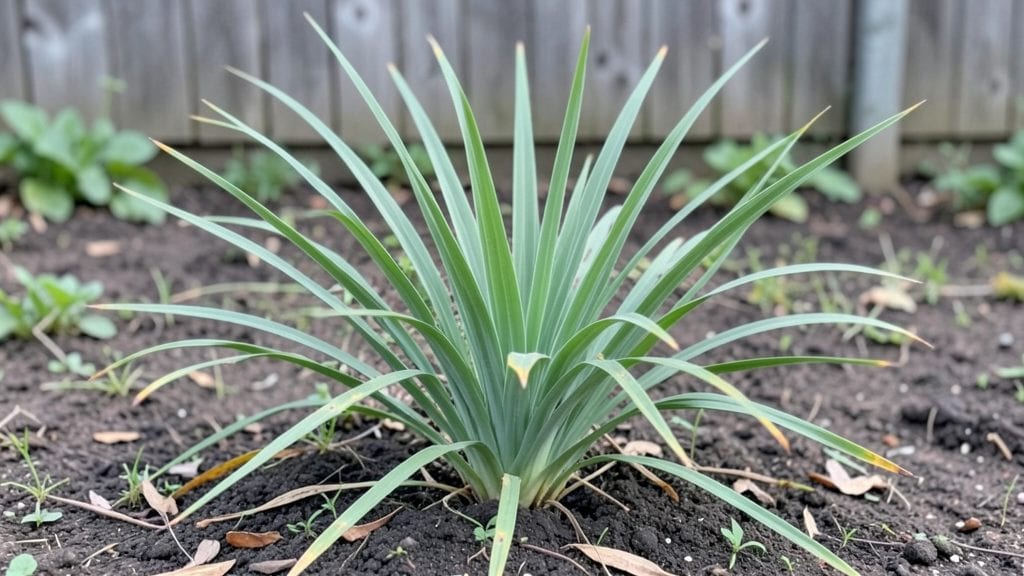
Growing lemon grass in the garden adds a zesty, fragrant punch that repels pests and attracts pollinators—all while requiring less fuss than most perennials. 🌿 I’ve grown it for years, and the secret lies in mimicking its tropical roots: warm soil, consistent moisture, and a spot where it won’t freeze.
The first harvest of those bright green stalks feels like unlocking a secret ingredient.
You’ll need a sunny patch with well-draining soil (amend with compost if yours is heavy) and a 4-6 inch spacing between plants. Lemon grass thrives in 60-90°F temperatures, so in colder zones, treat it as an annual or overwinter potted plants indoors.
The roots are the key—plant them shallowly, just covering the base, and avoid disturbing them once established.
Water deeply 2-3 times a week (more in heatwaves) to keep the soil consistently moist but not soggy. The leaves will turn crispy if you let it dry out, but it’s surprisingly drought-tolerant once mature.
By midsummer, you’ll be snipping stalks for cooking or tucking them into bouquets—each plant produces 10-15 harvests before needing division.
Here’s the best part: lemon grass deters mosquitoes naturally, so planting near patios or decks doubles as pest control. In colder climates, dig up clumps before frost and replant next spring—it’s a foolproof way to keep this fragrant workhorse coming back year after year. Ready to grow yours?
📚 In This Guide
- What you need
- Instructions
- Tips and common mistakes
- Wrapping up and next steps
What you need
- ● Lemon grass plants: 3–5 healthy nursery starts (or seeds, though they take longer to mature). Look for Cymbopogon citratus for the classic lemony flavor.
- ● Well-draining potting mix: 1–2 bags of high-quality, organic garden soil (or a mix of 60% topsoil, 30% perlite, and 10% compost). Lemon grass hates soggy roots!
- ● Containers or garden bed: Containers: 3–5 large pots (12"–16" diameter) with drainage holes. Terracotta or fabric grow bags work great!
- ● Garden bed: A sunny spot with at least 6 hours of direct light daily. Amend the soil with compost for better drainage.
- ● Organic fertilizer: A balanced, slow-release fertilizer (e.g., 10-10-10) or a citrus-specific blend to boost growth.
- ● Watering can or hose with a gentle spray nozzle: Lemon grass prefers consistent moisture but no waterlogging.
- ● Pruning shears or sharp scissors for harvesting stalks.
- ● Garden gloves to protect your hands from sharp leaf edges.
- ● Mulch (straw or wood chips) to retain moisture and suppress weeds.
- ○ pH testing kit (optional) to ensure soil is slightly acidic (pH 6.0–7.0).
- ● Shade cloth (if your climate gets scorching summers).
Step-by-Step guide to planting and cultivating lemon grass in your garden
This fragrant perennial grows effortlessly once established—here’s how to get it thriving in your yard.
🌱 Step 1: Choose the Right Location and Prepare the Soil
Lemon grass thrives in well-draining soil with a pH between 5.5 and 7.0, so avoid heavy clay unless amended. I dig a hole twice as wide as the root ball but only as deep—planting too deep suffocates the rhizomes. If your soil is dense, mix in 2-3 inches of compost and 1 inch of coarse sand to improve aeration.
Select a spot with full sun to partial shade—at least 6 hours of sunlight daily ensures strong growth and maximum fragrance. In hot climates, afternoon shade prevents scorching. Lemon grass dislikes soggy roots, so if your yard floods, raise the planting area or use a container with drainage holes.
🪴 Step 2: Plant the Rhizomes or Cuttings Correctly
If using rhizomes (the thick, knobby roots), separate them into 3-inch sections, ensuring each piece has at least one node (a small bump). For cuttings, take 6-inch stems from healthy plants, strip the lower leaves, and dip the base in rooting hormone to encourage faster establishment.
Place the rhizome or cutting horizontally in the hole, 2-3 inches below soil level, with the nodes facing upward. Cover lightly with soil and water deeply until moisture reaches 6 inches down. Press the soil gently to eliminate air pockets—this ensures direct root-to-soil contact for quicker growth.
💧 Step 3: Water Consistently and Maintain Moisture
Lemon grass needs 1-1.5 inches of water per week, but never let the soil dry out completely—wilting can kill the plant. I water deeply 2-3 times per week in dry climates, checking moisture by sticking my finger 2 inches into the soil. If it feels dry, it’s time to water.
Mulch around the base with 2-3 inches of straw or wood chips to retain moisture and suppress weeds. Avoid piling mulch directly against the stems—this can trap excess humidity and invite fungal issues. Once established, lemon grass becomes drought-tolerant, but young plants need consistent moisture.
☀️ Step 4: Fertilize and Prune for Optimal Growth
Feed lemon grass once in early spring with a balanced, slow-release fertilizer (10-10-10) at half the recommended rate. Over-fertilizing leads to lush foliage but weakens the fragrant oils. I also sprinkle 1 cup of compost around the base annually to replenish nutrients without burning the roots.
Prune 2-3 times per year to encourage bushier growth: cut back one-third of the tallest stems after flowering or when the plant reaches 3-4 feet tall. Never remove more than a third at once—this prevents shock. Harvest outer stems for culinary use, leaving the inner growth to sustain the plant.
✂️ Step 5: Overwinter and Protect in Cold Climates
Lemon grass is hardy to USDA Zone 9, but in colder regions, it dies back to the ground. Before the first frost, cut stems back to 2 inches and mulch heavily with 4-6 inches of straw or leaves. This insulates the rhizomes, which survive underground until spring.
In Zone 8 or colder, dig up rhizomes after the first frost, trim them back, and store in a cool, dark place (like a garage) with barely damp sand until spring. Replant when soil temperatures reach 60°F—this ensures a fresh start without transplant shock.
Tips & tricks for perfect lemon grass cultivation
Here's what I've learned after growing lemon grass for years—these tricks ensure your fragrant perennial thrives with minimal fuss.
Soil Preparation Secret: Before planting, I always test my soil's drainage by digging a hole and filling it with water. If it doesn't drain within 2 hours, I know I need to amend with more sand or create a raised bed. The goal is to mimic its native tropical conditions where water flows freely through the soil.
Planting Depth Matters: In Step 2, when placing rhizomes horizontally, I make sure the nodes are facing upward and positioned just below the soil surface—not buried too deep. The key is maintaining that 2-3 inch depth while ensuring the nodes stay above the water table. This positioning maximizes root development while preventing rot.
Watering Strategy: The 1-1.5 inches of water per week guideline works perfectly, but I've found that watering in the early morning gives the roots time to absorb moisture before the heat of the day. For container-grown lemon grass, I water until it drains completely from the bottom holes—this prevents salt buildup that can occur with frequent shallow watering.
Pruning Technique: When pruning those 3-4 foot tall stems, I always use sharp, sterilized shears to make clean cuts just above a leaf node. This encourages bushier growth and prevents disease transmission between cuts. I also avoid pruning more than one-third at a time, as instructed, but I spread these cuts throughout the growing season rather than all at once.
Pro Tips for Lemon Grass In The Garden
- Here's what I've learned after growing lemon grass for years—these tricks ensure your fragrant perennial thrives with minimal fuss.
- Soil Preparation Secret: Before planting, I always test my soil's drainage by digging a hole and filling it with water.
- Planting Depth Matters: In Step 2, when placing rhizomes horizontally, I make sure the nodes are facing upward and positioned just below the soil surface—not buried too deep.
Frequently asked questions
Got questions about growing lemon grass in your garden? You’re not alone—this fragrant perennial is easy to love but has a few quirks! Here are answers to the most common queries to help you grow it like a pro.
Can lemon grass grow in containers or do I need a full garden bed?
Lemon grass thrives in containers as long as the pot is at least 12 inches deep and has drainage holes. Use well-draining soil and place it in a spot with 6+ hours of sunlight daily. Containers are great for small spaces or if you want to move it indoors during winter.
How long does it take for lemon grass to grow and become harvestable?
With the right conditions, you can harvest 3–4 months after planting (or sooner if starting from a mature stalk). The leaves grow from the base, so avoid cutting more than 1/3 of the plant at a time to encourage regrowth. Patience pays off—you’ll see steady growth in warm, humid climates!
What’s the best time of year to plant lemon grass?
Plant lemon grass in spring or early summer after the last frost when soil temperatures are consistently above 60°F (15°C). If you’re in a warm climate (Zones 9–11), you can plant year-round. Avoid planting in fall—it struggles with cooler temps and may not survive winter.
Why is my lemon grass turning yellow or dying? Common problems and fixes.
- Overwatering: Lemon grass hates soggy soil. Let the top 1–2 inches dry out between waterings. Yellow leaves? Check drainage!
- Underwatering: Drooping or crispy leaves mean it’s thirsty. Water deeply 1–2 times per week (more in heatwaves).
- Pests: Watch for aphids or spider mites. Spray with soapy water or neem oil if you spot them.
- Cold damage: If temps drop below 20°F (-7°C), the plant may die back. In colder zones, grow it as an annual or bring pots indoors.
Can I regrow lemon grass from scraps like green onions?
Yes! Save the 3–4 inch bottom stub of a lemon grass stalk, trim the roots, and place it in water or moist soil. Keep it warm and bright—new shoots should sprout in 1–2 weeks. It’s a zero-waste way to keep your supply going!
Wrapping up and next steps
Growing lemon grass in your garden is a fragrant, low-maintenance victory waiting to happen! 🌿 With just a few simple steps—sunlight, well-drained soil, and occasional watering—you’ll enjoy its citrusy aroma and culinary versatility year after year.
Whether you’re a seasoned gardener or just starting out, this hardy perennial makes a delightful addition that rewards effort with minimal fuss.
Now that you’re armed with the know-how, why not plant a few stalks this weekend? Start small, experiment with companion plants, and soon, your garden—and kitchen—will be brimming with fresh, zesty lemon grass. Happy gardening! 🌱