
Advice
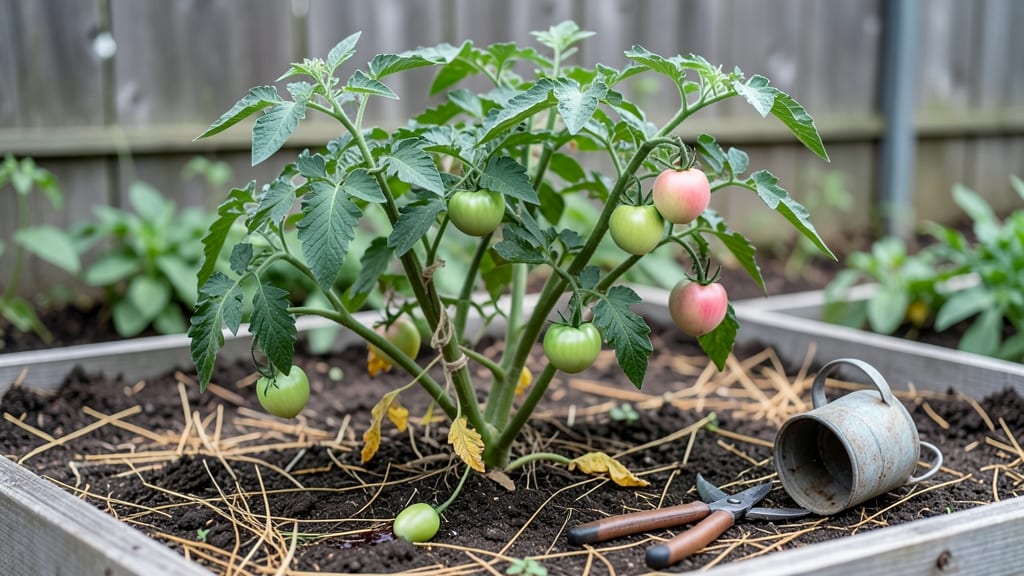
July gardening tasks start with saving your plants from the heat. ✨ I’ve learned that mulching isn’t just about looks—it’s the difference between wilting tomatoes and a thriving summer harvest. The right plants and techniques make all the difference when temperatures climb.
Focus on heat-tolerant crops like okra, sweet potatoes, and malabar spinach, while mulching everything else to lock in moisture. Weed regularly (they grow fast in July!) and water deeply in the morning to avoid evaporation. Even my black thumb can’t kill these plants when cared for right.
By August, you’ll be harvesting crisp cucumbers, juicy peaches, and bold basil—all while keeping pests at bay with companion planting. The secret? Stay consistent with care, and your garden will reward you with shockingly lush results.
Works for backyard gardens, containers, or raised beds—just adjust watering based on your climate. Northern Hemisphere? Prioritize shade for delicate plants. Southern Hemisphere? Focus on drought-resistant varieties. Here’s how to make it work for you.
📚 In This Guide
- What you need
- Instructions
- Tips and common mistakes
- Wrapping up and next steps
What you need
- ● Hand trowel (1–2, stainless steel or ergonomic grip for comfort)
- ● Garden fork (1, sturdy, with 6–8 tines for aerating soil)
- ● Pruning shears (1, sharp, bypass-style for clean cuts)
- ● Watering can or hose (1, with adjustable nozzle for precision)
- ● Garden gloves (1–2 pairs, heat-resistant and breathable)
- ● Wheelbarrow or bucket (1, for hauling soil, mulch, or plants)
- ● Measuring tape or ruler (1, for spacing plants accurately)
- ● Spade or shovel (1, rounded or flat-edged for digging)
- ● Heat-tolerant seedlings/transplants (e.g., okra, sweet potatoes, Swiss chard—check local climate zones)
- ● Organic mulch (2–4 cubic feet, options: straw, wood chips, or shredded leaves)
- ● Compost or aged manure (1–2 bags, 5–10 lbs each, for enriching soil)
- ● Slow-release fertilizer (1 bag, 10–20 lbs, balanced NPK for summer growth)
- ○ Drip irrigation kit (optional) (1, to conserve water in extreme heat)
- ○ Shade cloth (optional) (1 roll, 30–50% coverage for delicate seedlings)
- ● Sunscreen & wide-brim hat (for protection during outdoor work)
- ● Water bottle (1, to stay hydrated—heat exhaustion is no joke!)
- ○ Knee pads (optional) (1–2, for comfort during prolonged kneeling)
- ○ Plant markers (optional) (biodegradable or reusable, for labeling new additions)
Step-by-Step guide to July heat-resistant planting and mulching
July demands strategy—here's how to keep your garden thriving when temperatures peak.
🌱 Step 1: Plant Heat-Tolerant Vegetables and Flowers
Focus on varieties that thrive in 80-95°F conditions. Okra, sweet potatoes, and Swiss chard grow vigorously in heat, while zinnias and marigolds bloom prolifically. Plant in late afternoon to reduce transplant shock—roots establish better when evening temps drop slightly.
Dig holes twice as wide as the root ball but only as deep as the container they came in. This encourages root spread rather than burying stems too deeply. Water deeply immediately after planting to settle soil around roots and eliminate air pockets.
💧 Step 2: Mulch to Retain Moisture and Regulate Soil Temperature
Apply 3-4 inches of organic mulch—straw, shredded leaves, or wood chips—around all plants. Mulch acts like a blanket, keeping soil 10-15°F cooler than surface temps and reducing evaporation. Spread it 2-3 inches away from stems to prevent rot.
For newly planted areas, wait 3-5 days before mulching to let soil settle. This prevents smothering young roots. Check mulch depth periodically—it breaks down over time and may need replenishing by late summer.
☀️ Step 3: Provide Afternoon Shade for Sensitive Plants
Use shade cloth (30-50%) or temporary row covers to protect lettuce, spinach, and other greens from midday sun (11 AM–3 PM). Secure fabric loosely—plants need airflow to prevent fungal issues. Remove covers by late afternoon to allow photosynthesis.
Watch for wilting leaves—a sign of heat stress. Most plants recover overnight, but prolonged drooping means they need more shade. Adjust coverage based on your microclimate; north-facing beds stay cooler than south exposures.
✂️ Step 4: Prune and Deadhead for Continuous Bloom
Remove spent blooms from annuals like petunias and zinnias to encourage nonstop flowering. Use clean, sharp shears and cut just above a leaf node—this redirects energy to new growth. Avoid heavy pruning in extreme heat; focus on light maintenance.
For vegetables, trim overgrown foliage to improve airflow. Tomatoes and peppers benefit from succession pruning—remove lower leaves up to 6 inches above the soil to prevent disease. This also helps fruit ripen faster by focusing plant energy upward.
🪴 Step 5: Water Deeply and Strategically
Water early morning (5-7 AM) to minimize evaporation and fungal risks. Aim for 1-1.5 inches per week, delivered slowly so soil absorbs moisture deeply. Drip irrigation or soaker hoses work best—they deliver water at root level without wetting leaves.
Check soil moisture 2 inches down—if it’s dry, water again. Sandy soils dry faster; amend with compost to improve water retention. Avoid overhead sprinklers, which waste water and promote mildew. Mulch and deep watering together keep roots cool and hydrated.
Tips & tricks for perfect July heat-resistant planting and mulching
A few strategic moves can transform your July garden from struggling to thriving in extreme heat.
Timing is Everything: The late afternoon planting window in Step 1 is crucial for heat-sensitive plants. I've seen seedlings wilt dramatically when planted midday—even okra and sweet potatoes, which are heat-tolerant, benefit from cooler evening temperatures. If you must plant during the day, provide temporary shade for the first 24 hours using a simple frame covered with shade cloth. This gives roots a fighting chance before they're exposed to full sun.
Mulch Depth Matters: That 3-4 inch mulch layer in Step 2 isn't just about looks—it's a thermal buffer. I learned this the hard way when my first attempt with only 2 inches left soil temperatures fluctuating wildly. The key is maintaining consistent depth, especially around newly planted areas where roots are establishing. For container plants, use mulch around the base but avoid piling against the pot edges to prevent moisture buildup that can cause rot.
Shade Strategy: When using shade cloth in Step 3, remember that 30-50% coverage is a range—not a fixed number. I always start with 30% for most greens and increase to 50% during heatwaves or if leaves show signs of stress. The critical window is indeed 11 AM–3 PM, but adjust based on your specific microclimate. A north-facing bed might only need 30% coverage, while a south-facing area could require 50% even on mild days. Always secure fabric loosely to maintain airflow.
Pruning Precision: That 6-inch pruning guideline for tomatoes and peppers in Step 4 is a great starting point, but I've found it works best when combined with the plant's growth stage. For young plants, stick to the 6-inch mark, but for mature plants, you can prune up to 12 inches above the soil to improve airflow and focus energy on fruit production. Always use clean, sharp shears to make precise cuts just above a leaf node—this minimizes stress on the plant and encourages healthy regrowth.
Pro Tips for July Gardening Tasks
- A few strategic moves can transform your July garden from struggling to thriving in extreme heat.
- Timing is Everything: The late afternoon planting window in Step 1 is crucial for heat-sensitive plants.
- Mulch Depth Matters: That 3-4 inch mulch layer in Step 2 isn't just about looks—it's a thermal buffer.
Frequently asked questions
Got questions about tackling your July gardening tasks? You’re not alone—July brings its own set of challenges and opportunities! Here are answers to the most common questions to keep your garden thriving in the heat.
Why is mulching so important in July?
Mulching in July isn’t just about aesthetics—it’s a must for heat-stressed gardens. A 2-3 inch layer of mulch (straw, wood chips, or shredded leaves) locks in soil moisture, regulates temperature, and blocks weeds. Without it, your soil can dry out faster, stressing plants and inviting pests. Pro tip: Reapply mulch after heavy rain or watering to maintain coverage.
Can I still plant vegetables in July?
July is perfect for heat-loving veggies like okra, southern peas, and sweet potatoes. For cooler crops (e.g., lettuce, spinach), opt for shade cloth or plant them in the late afternoon to avoid scorching. Succulents, herbs (basil, cilantro), and melons also thrive this month. Just water deeply early in the morning to prevent evaporation.
How often should I water my garden in July?
July’s heat demands consistent watering—but don’t drown your plants! Water deeply 2–3 times per week (early morning is best) instead of daily shallow sprinkles. Aim for 1–1.5 inches of water weekly. Check soil moisture: Stick your finger 1–2 inches down; if it’s dry, it’s time to water. Drip irrigation or soaker hoses save water and reduce evaporation.
What pests should I watch for in July?
July’s warmth attracts unwanted guests like aphids, squash bugs, and tomato hornworms. Inspect leaves weekly for chewed edges or sticky residue (aphid honeydew). Combat them naturally with:
- Neem oil spray (safe for most plants)
- Handpicking (especially for hornworms)
- Row covers for young seedlings
My plants look wilted—is it too late to save them?
Not necessarily! Wilting in July often signals underwatering, overheating, or root stress. First, check the soil moisture—if the top 1–2 inches are dry, water deeply. For container plants, move them to shadier spots temporarily. If roots are mushy (overwatering) or dry as dust (underwatering), trim damaged roots and repot with fresh soil. Pro move: A light fertilizer (like fish emulsion) can boost recovery if plants are otherwise healthy.
Can I prune my plants in July?
July pruning depends on the plant! Avoid heavy pruning for flowering plants (like roses or hydrangeas), as it can reduce blooms. However, you can:
- Deadhead spent blooms to encourage more flowers.
- Prune leggy herbs (like mint or oregano) to promote bushier growth.
- Trim overgrown veggies (e.g., tomatoes) to improve airflow and fruit production.
Wrapping up and next steps
July is your chance to harness the heat for a thriving garden! By focusing on heat-resistant plants, strategic mulching, and smart watering, you’ll set your garden up for success—even in the hottest months. Don’t let the summer sun slow you down; your garden’s future is in your hands!
Ready to take the next step? Plan your August tasks now—think about fall planting, pest prevention, and harvesting what you’ve sown. Your garden’s growth is a journey, and you’re already on the right path! 🌱💦