
Tools
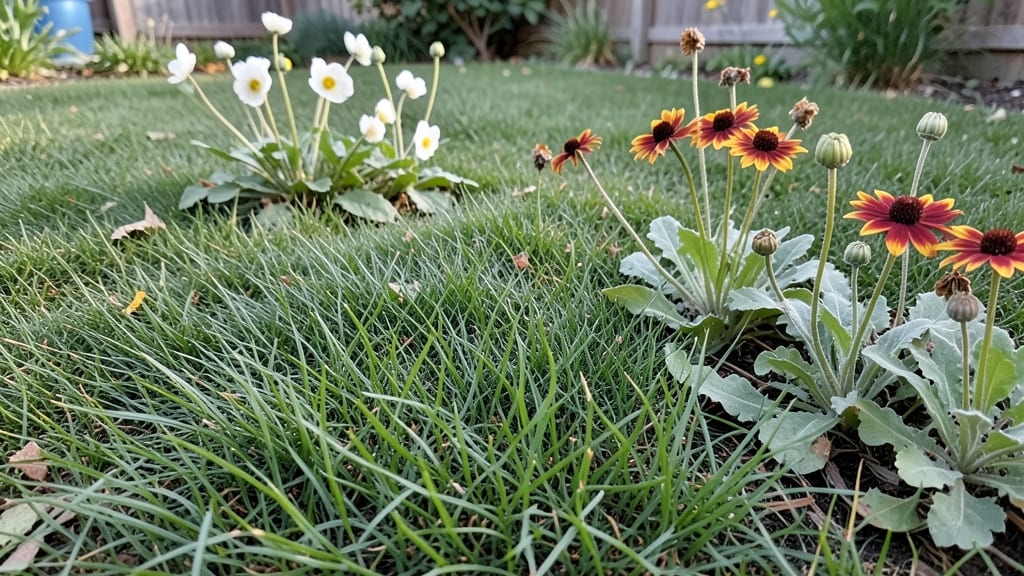
Gardening in Alberta demands smart planning to beat its short growing season and harsh winters, so I focus on cold-resistant perennials, early spring planting, and zone-specific selections for areas 0-4. A tailored planting schedule, thick mulch layers, and resilient picks like coneflowers, catmint, and hardy crops such as kale and potatoes make all the difference.
Alberta's climate forces gardeners to think differently—frost can return anytime after mid-summer, so timing matters more than in warmer regions. 🌱 I've learned that even "hardy" plants need protection from late-season freezes, which is why I always check my local frost dates and adjust planting windows accordingly.
The key is balancing early starts with frost-sensitive crops and late-season harvests for cold-tolerant varieties.
Another game-changer is soil preparation. Alberta's heavy clay soils benefit from organic amendments like compost or peat moss to improve drainage and warmth retention. I swear by a 4-inch mulch layer in fall to insulate roots during winter—it's the difference between plants surviving and thriving.
For edible gardens, I prioritize cold-hardy vegetables that can handle light frosts, like Swiss chard and Brussels sprouts, which actually sweeten after exposure to cold.
💡 In This Article
- Alberta’s Plant Hardiness Zones Explained
- Top Cold-Resistant Plants for Alberta Gardens
Alberta’s plant hardiness zones explained
Alberta spans USDA Hardiness Zones 0-4, where each zone represents a 10°F difference in average annual minimum temperatures. Zone 0 (northern Alberta) sees winters dipping to -50°F, while Zone 4 (southern Alberta) rarely drops below -30°F.
These zones dictate what plants survive your winters—evergreens like spruce thrive in Zone 0, while roses need Zone 4 protection. The shorter growing season (typically 90-120 days frost-free) means precise timing is everything.
Finding your exact microclimate matters more than the general zone map. A south-facing slope might be 2-5°F warmer than the official zone, allowing you to plant tender crops 2-3 weeks earlier.
Use tools like the Canada Plant Hardiness Map (updated 2023) and check local weather stations for last frost dates—Calgary averages May 15 for spring, while Edmonton waits until June 1. Late-season freezes can hit as late as September 15, so always have row covers ready.
The key to success is adjusting planting windows. Start frost-sensitive crops like tomatoes indoors 8-10 weeks before your last frost date, then transplant after soil reaches 50°F. For cold-hardy veggies, direct-sow peas and spinach as soon as soil is workable (around 40°F)—they’ll tolerate light frosts.
Fall planting works too: kale and carrots can handle 20°F temps, while garlic planted in October overwinters beautifully. 🌱
Microclimates create exceptions. Urban areas like downtown Calgary experience "heat islands" that can be 5°F warmer than rural zones, extending the growing season. Conversely, valleys and low-lying areas trap cold air, creating frost pockets where tender plants fail.
Test your yard: Plant a frost-sensitive crop (like basil) in multiple spots to identify safe zones. Adjust mulch depth too—6 inches in Zone 1 vs 3 inches in Zone 4 balances insulation and drainage.
Advanced gardeners use degree-day accumulators to track heat units. Alberta’s 1,500-2,500 growing degree days (base 50°F) limit warm-season crops. For example, corn needs 2,500+ days—only feasible in Zone 4 with black plastic mulch. Meanwhile, potatoes thrive in Zone 0 with just 1,200 days.
This science explains why some plants succeed where others fail: it’s not just cold tolerance, but how quickly they mature within your climate’s thermal budget.
Pro tip: Layer protection strategies. Combine mulch (straw or leaves) with cloche tunnels for early starts, and use cold frames to extend fall harvests. I’ve seen Brussels sprouts produce 30% more yield when grown under row covers through October.
The goal isn’t just survival—it’s maximizing your short window to grow food that’s actually better after frost (like sweeter carrots and heartier greens).