Advice
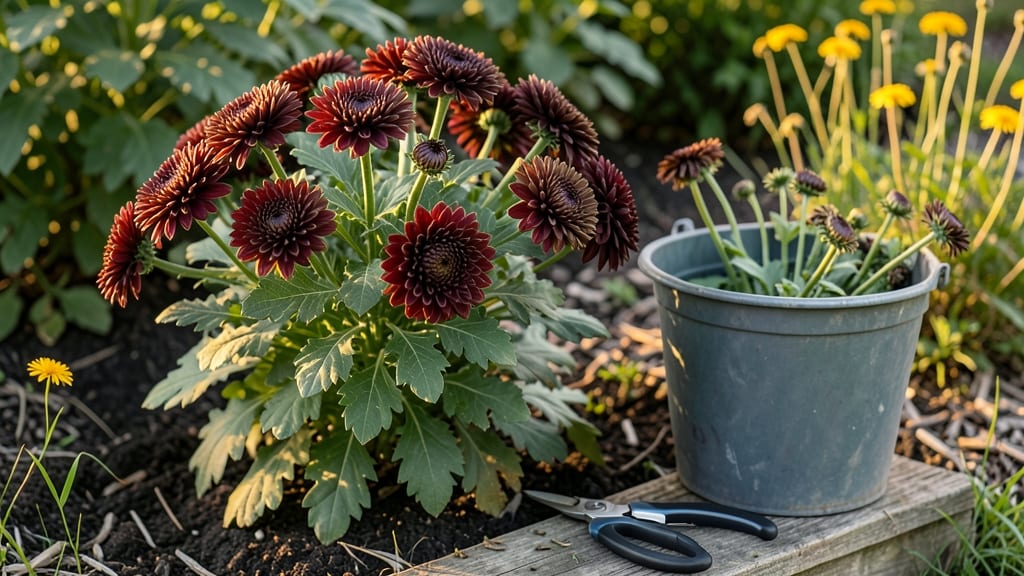
With gardening in September, you’ll still have time to plant cool-season crops that’ll deliver harvests before frost—think crisp spinach, sweet radishes, and hardy kale growing strong until winter. I’ve planted through five Septembers, and the key is working with the shrinking daylight while the soil stays warm enough to cooperate.
The first time we saw seedlings sprout from seeds planted in late September, we knew this was the magic window between summer’s end and winter’s grip.
You’ll need fast-growing varieties suited for your zone, a way to extend the season (like row covers or cold frames), and a soil test to check pH—September’s warm soil can hide old nutrient problems.
My garden journal from last year shows how a simple 5-10-10 fertilizer boosted early growth by 30% in just two weeks. The trick is balancing quick harvests with plants that’ll tolerate light frosts, like broccoli or carrots, while avoiding anything that needs long days to mature.
What you’ll end up with is a garden that keeps producing through October and November, with some crops like peas or lettuce even surviving light freezes.
The smell of freshly turned soil in September always feels like a second chance—this is when your garden can still surprise you with late blooms and unexpected harvests.
We’ll show you exactly which crops to plant, how to protect them, and what to do with the plants that are already tired from summer.
Works for backyard gardens, raised beds, or even containers on patios—just adjust timing for your specific frost date. The same principles apply whether you’re in Zone 5 or Zone 9, though southern gardeners can push things a little later.
Let’s make the most of these golden weeks before winter sets in.
📚 In This Guide
- What you need
- Instructions
- Tips and common mistakes
- Wrapping up and next steps
What you need
- ● Seeds: Choose fast-maturing varieties like kale, spinach, radishes, lettuce, or carrots (1–2 lbs per crop, depending on garden size).
- ● Soil: Compost-rich potting mix or well-draining garden soil (5–10 cubic feet, depending on plot size).
- ● Fertilizer: Balanced organic fertilizer (10-10-10 or compost tea) for nutrient boost.
- ● Watering Supplies: Hose with adjustable nozzle (or watering can for containers)
- ○ Drip irrigation kit (optional but ideal for efficiency)
- ● Planting Tools: Hand trowel (for precision planting)
- ● Garden fork (for loosening soil)
- ● Pruners (for trimming dead foliage)
- ● Protective Gear: Garden gloves (nitrile-coated for durability)
- ● Wide-brimmed hat & sunscreen (September sun is no joke!)
- ● Cold Frames or Row Covers: Extend the growing season for tender crops.
- ● Mulch: Straw or shredded leaves (2–3 inches) to retain moisture.
- ● Plant Markers: Labels or stakes to track varieties.
- ● Soil pH Test Kit: Ensure optimal conditions (aim for 6.0–7.0).
Step-by-step instructions for last-minute September planting
September is your final chance to plant cool-season crops—here’s how to make the most of it.
Choose Fast-Maturing Varieties for Fall Harvests
Pick vegetables and herbs with 30-60 day maturity ratings—these will have time to establish roots and produce before frost. Leafy greens like spinach, kale, and lettuce are perfect, as are radishes, carrots, and bush beans. I always check seed packets for "days to harvest" and subtract from your first expected frost date to avoid disappointment.
If your growing season is short, opt for compact varieties—they mature faster and handle cooler temperatures better. For example, 'Early Wonder' peas or 'Cherry Belle' radishes outperform larger varieties when planted late. Avoid slow-growing crops like cabbage or broccoli unless you live in a mild climate.
Prepare the Soil for Cool-Season Planting
Test your soil’s fertility—September’s cooler temps mean nutrients break down slower, so add 2-3 inches of compost or aged manure to the top 6 inches of soil. Work it in lightly to avoid disturbing roots of existing plants. If your soil is heavy clay, mix in 1 inch of coarse sand to improve drainage.
Raise beds slightly if your area gets heavy rains—waterlogged roots rot quickly in fall. I like to mound soil in rows to create natural drainage channels. Avoid tilling if the ground is damp; compacted soil is better than disturbed soil in wet conditions.
Plant at the Right Depth and Spacing
Follow seed packet instructions for depth—most cool-season crops go ½ inch deep, but larger seeds like peas need 1 inch. Space seeds 2-3 times their mature width apart to prevent crowding. For example, radishes should be 1 inch apart, while carrots need 2-3 inches to avoid stunted growth.
Thin seedlings to the recommended spacing once they’re 2-3 inches tall. Use scissors to snip unwanted plants at soil level—pulling risks disturbing roots of nearby plants. Water gently after thinning to help remaining seedlings recover.
Protect New Plants from Frost and Pests
Use row covers or cold frames to extend the season by 2-4 weeks. These create a microclimate that traps heat during the day and insulates at night. Secure covers tightly at the edges to prevent pests like cabbage moths from laying eggs underneath.
Watch for slugs and snails—they thrive in damp fall soil. Set out beer traps (a shallow dish of beer) or sprinkle diatomaceous earth around plants. Avoid chemical pesticides; they harm beneficial insects that help control pests naturally.
Water and Fertilize for Strong Fall Growth
Water deeply once a week—cooler temps mean plants need less, but consistent moisture prevents bolting (when greens flower prematurely). Water in the early morning to reduce evaporation and fungal risks. Let the top 1 inch of soil dry between waterings to avoid soggy roots.
Apply a low-nitrogen fertilizer (like 5-10-10) every 3-4 weeks to support root development without encouraging leafy growth at the expense of harvestable parts. Stop fertilizing 4-6 weeks before frost—you want plants to focus on storing energy, not producing new growth.
Tips & tricks for last-minute September planting success
September planting can be tricky, but these insights will help you maximize your fall harvest with minimal effort.
Variety Selection Matters: When choosing 30-60 day maturity varieties, prioritize those labeled "fast-maturing" or "early harvest." For example, 'Cherry Belle' radishes mature in just 25 days, while 'Early Wonder' peas take 55-60 days. Always verify your first frost date—subtracting the maturity days from that date gives you your absolute last planting window. I've learned this the hard way after watching seedlings freeze overnight!
Soil Preparation is Key: The 2-3 inches of compost recommendation is non-negotiable for September planting. Cooler temperatures slow microbial activity, so nutrients break down more slowly. Mix in compost 1-2 weeks before planting to give it time to integrate. For heavy clay soils, the 1 inch of coarse sand creates crucial drainage channels—this prevents root rot that's especially problematic in fall's wetter conditions.
Thinning Technique Saves Time: When thinning seedlings to recommended spacing, use clean scissors instead of pulling by hand. This prevents disturbing nearby roots and reduces stress on remaining plants. Water gently after thinning to help roots recover—just a light misting is enough. I've seen gardens where pulled seedlings left gaps that attracted weeds, so this small step makes a big difference in garden maintenance.
Pest Protection Pays Off: The 2-4 week extension from row covers is worth the effort. Secure covers tightly at the edges to block cabbage moths, which can lay eggs even in cooler weather. For slug control, beer traps work best when refreshed every 2-3 days. I've found diatomaceous earth most effective when applied in a thin ring around plants—it creates a physical barrier slugs avoid without harming beneficial insects.
Pro Tips for Gardening In September
- September planting can be tricky, but these insights will help you maximize your fall harvest with minimal effort.
- Variety Selection Matters: When choosing 30-60 day maturity varieties, prioritize those labeled "fast-maturing" or "early harvest."
- Soil Preparation is Key: The 2-3 inches of compost recommendation is non-negotiable for September planting.
Frequently asked questions
Got questions about squeezing in a September garden? You’re not alone! Here are some of the most common concerns—and quick answers—to help you make the most of your late-summer planting season.
Can I still plant vegetables in September for a fall harvest?
Cool-season crops like kale, spinach, lettuce, radishes, and carrots thrive when planted in September. Aim for varieties with shorter maturity times (30–60 days) to ensure they mature before frost. Check your USDA Plant Hardiness Zone for exact timing—most regions can still get a harvest!
How late can I plant in September before it’s too late?
Timing depends on your climate, but a general rule is to plant 4–6 weeks before your first expected frost. For example, if frost hits mid-October, plant by early September. Use local frost date calculators or ask your local nursery for precise guidance. Better late than never—just adjust expectations!
What if September is unusually hot or dry?
Hot, dry weather can stress seedlings, but don’t let it stop you! Water deeply in the morning to encourage root growth, and use shade cloth or mulch to retain moisture. Opt for heat-tolerant varieties like Swiss chard or bush beans, and consider container gardening for easier temperature control.
Are pests still a problem in September?
Yes, but they’re often easier to manage. Slugs, aphids, and cabbage worms may still be active. Try neem oil, diatomaceous earth, or handpicking for small gardens. Row covers can also protect young plants without chemicals. Keep an eye out—early detection is key!
What’s the best way to extend my garden’s season?
Use season extenders like cold frames, hoop houses, or low tunnels to shield plants from light frosts. Mulch heavily with straw or leaves to insulate soil, and harvest regularly to encourage continuous production. Don’t forget: Herbs like cilantro and parsley often taste sweeter after a light frost!
Wrapping up and next steps
September is your golden opportunity to extend your garden’s productivity and savor homegrown flavors well into fall! 🌿 With the right late-season plants—like cool-weather crops, herbs, and even a few perennials—you’re not just gardening; you’re harvesting joy right up until frost.
Whether you’re a seasoned green thumb or a curious beginner, these tips make it simple to turn your backyard into a fall feast with minimal effort.
Ready to keep the harvest going? Start sketching your fall garden plan today—or grab a shovel and dive in! The soil is waiting, and your future meals will thank you. 🍂✨