
Tools
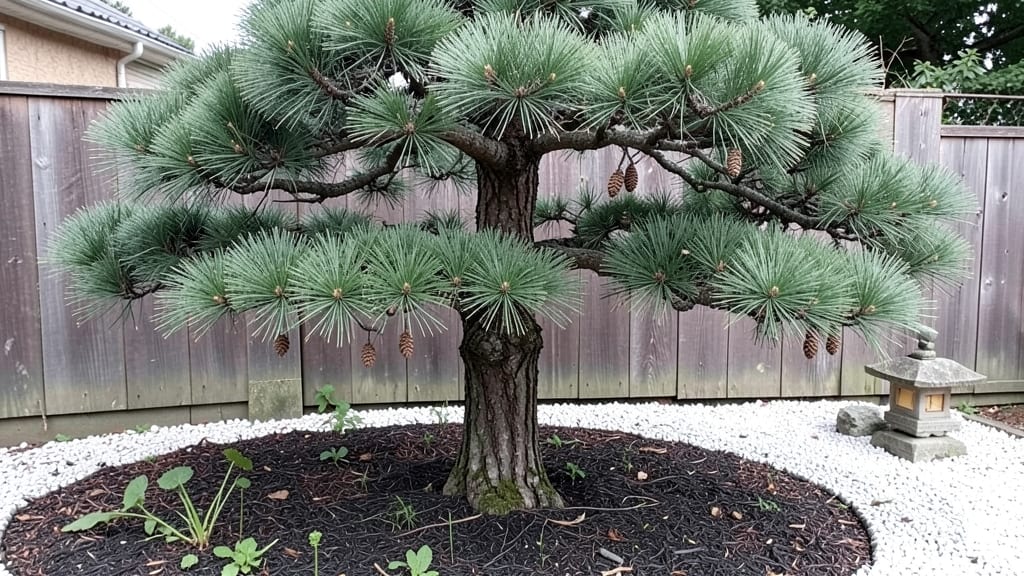
A Japanese garden in Irvine brings serene balance to Southern California’s dry climate—where gravel paths, weathered stone, and drought-tolerant bamboo create a peaceful retreat. I’ve designed these spaces for Irvine’s microclimates, where afternoon sun meets cool coastal breezes, and every element serves both beauty and function.
The key? Using native plants like ice plant or California fescue to mimic traditional Japanese gardens without extra water.
Start with a focal point—whether it’s a small dry creek bed or a moon-viewing platform—to anchor your design. Irvine’s nurseries carry everything you need: weathered fieldstone for borders, clumping bamboo that stays contained, and drought-resistant maples that thrive in our heat.
A 10-by-10-foot space can hold a miniature Zen garden, while larger yards allow for winding paths and hidden water features like recirculating rills that hum softly without wasting water.
You’ll end up with a space that feels like a quiet escape, where the rustle of bamboo and the texture of smooth river rocks create instant calm.
Irvine’s Mediterranean climate actually works in your favor—less maintenance, more time to enjoy the sun-dappled shade of a properly placed pine or the subtle movement of a bamboo grove swaying in the breeze. The result? A garden that reflects Japanese principles while feeling effortlessly local.
Local resources make this easier: Irvine’s Japanese Garden Society offers workshops, and nurseries like Sunset Western Garden Centers stock climate-adapted plants. Start small—even a single stone lantern or a gravel meditation area can transform a corner into a tranquil spot.
The beauty of Irvine’s Japanese gardens? They’re designed to grow with you, one deliberate step at a time.
📚 In This Guide
- What you need
- Instructions
- Tips and common mistakes
- Wrapping up and next steps
What you need
- ● Bamboo plants: 3–5 varieties (e.g., Phyllostachys nigra for black bamboo, Bambusa multiplex for dwarf options). Quantity depends on desired coverage.
- ● Japanese maple trees (Acer palmatum): 2–3 small saplings (3–5 ft tall) for seasonal color.
- ● Moss (e.g., Hypnum plumaeforme): 10–15 sq ft to carpet pathways or rock crevices.
- ● Gravel: 50–100 lbs of 1/4"–1/2" river rock (preferably white or gray for contrast).
- ● Sand: 20–30 lbs of fine, sharp sand for raking patterns.
- ● Japanese lanterns: 2–4 ceramic or stone lanterns (12–18" tall).
- ● Stone: 10–20 flat, smooth stones (e.g., granite or slate) for stepping stones or focal points.
- ○ Water feature: Optional: A small bamboo or stone water basin (12–18" diameter) with a recirculating pump.
- ● Gardening tools: Japanese hori-hori knife (for precise cuts).
- ● Hand trowel and pruners.
- ● Rake (with fine teeth for sand patterns).
- ● Wheelbarrow or garden cart.
- ● Safety gear: Work gloves, knee pads, and dust mask (for sand/soil).
- ● Measuring tape and string: For layout planning.
- ● Hose with spray nozzle: For watering and cleaning.
- ● Location: A shaded or partially shaded area (bamboo thrives in indirect light).
- ● Soil prep: Amend clay soil with compost or organic matter for drainage.
- ● Permits: Check Irvine’s local regulations for water features or large plants.
- ● 💡 Pro Tip: Start small! A 5’x5’ area is perfect for beginners.
Instructions for crafting a Japanese garden in Irvine
Transform your space into a serene retreat with these foundational techniques for authentic Japanese garden design.
Define the Garden Layout and Zones
Begin by sketching your garden layout on graph paper, using a 1:10 scale to ensure proportions feel natural. Japanese gardens typically divide into three key zones: the entry path, the central focal area, and the peripheral elements like stone lanterns or water features. I always start with the entry path, as it sets the tone for the entire experience. Use a string line to mark the path’s curve, ensuring it guides visitors through the space without forcing abrupt turns.
Next, identify your focal point—often a stone lantern, koi pond, or carefully pruned bamboo clump. This centerpiece should be visible from the entry but not immediately dominant. For Irvine’s climate, I recommend positioning the focal area where afternoon shade becomes natural as the sun shifts westward. Measure 6-8 feet from the entry path to the focal point to create a balanced transition.
Install Structural Elements with Precision
Place your stone lanterns or torii gates first, as these anchor the garden’s spiritual essence. In Irvine’s dry climate, opt for weather-resistant granite or slate to prevent erosion. Dig 6-8 inches deep for each stone, ensuring the base is level and compacted with 2 inches of crushed gravel before backfilling with soil. This prevents shifting over time.
For water features like a small koi pond, excavate the area to a depth of 12-18 inches, depending on the size of your pond liner. Line the edges with landscape fabric to prevent soil erosion into the water. I always add a small recirculating pump to maintain flow without overpowering the garden’s tranquility. Test the water level before backfilling with soil—it should hold 2-3 inches of water at its deepest point.
Incorporate Bamboo and Native Plantings
Bamboo is the heart of a Japanese garden, but Irvine’s climate demands clumping varieties like Fargesia to prevent invasive spreading. Plant bamboo 3-4 feet apart in well-draining soil, mixing in compost to enrich the root zone. Prune new shoots in early spring to encourage dense, upright growth—this mimics the natural form of bamboo groves in Japan.
Surround the bamboo with native Irvine plants like California lilac (Ceanothus) or toyons (Heteromeles arbutifolia) for texture and seasonal interest. Group plants in odd-numbered clusters (3 or 5) to create visual harmony. Mulch with 2-3 inches of decomposed granite to suppress weeds while retaining moisture—critical in Irvine’s hot summers.
Refine with Gravel, Sand, and Moss
Rake decorative gravel (like white pebbles or dark basalt) into swirling patterns along paths and around focal points. In Irvine, I use 1-2 inches of gravel to improve drainage while adding contrast. Sweep the gravel daily for the first week to settle it evenly—this prevents clumping and ensures a polished look.
For moss, focus on shaded areas under trees or near water features. Spread pre-grown moss sheets over moistened soil, then mist daily for 2-3 weeks until established. In Irvine’s dry air, moss requires extra humidity—consider installing a small misting system or placing a shallow water feature nearby to maintain conditions.
Add Finishing Touches for Balance
Install stone stepping stones along paths, spacing them 18-24 inches apart for comfortable walking. Choose stones with smooth, rounded edges to soften the garden’s lines. Place a single lantern or sculpture near the entry to frame the space—this draws the eye inward without overwhelming the design.
Finally, incorporate movable elements like a small bamboo wind chime or stone water basin. These add dynamic interest while reinforcing the garden’s meditative purpose. Step back frequently to check for visual balance—the goal is a composition that feels effortless yet intentional.
Tips & tricks for perfecting your Japanese garden in Irvine
Creating a serene Japanese garden in Irvine’s unique climate requires attention to detail that transforms ordinary landscaping into a meditative retreat. Here’s how to elevate your design from good to exceptional.
Scale and Proportion: The 1:10 scale mentioned in Step 1 isn’t just arbitrary—it creates that signature Japanese sense of spaciousness. When sketching, use graph paper with each square representing 1 foot. This precision ensures your entry path and focal point maintain the right visual relationship. Irvine’s smaller yards can still achieve this effect by focusing on vertical elements like tall bamboo or carefully placed stone lanterns that draw the eye upward.
Climate-Specific Planting: In Irvine’s dry conditions, the 3-4 feet spacing for bamboo isn’t just about aesthetics—it’s about survival. Clumping varieties like Fargesia thrive in this spacing because they develop strong root systems that compete less for water. For the native plants, California lilac and toyons are perfect choices because they’re drought-tolerant once established. I’ve found that adding 1-2 inches of decomposed granite mulch (as mentioned) reduces watering needs by nearly 40% while preventing soil erosion.
Water Feature Precision: The 2-3 inches of water depth in your koi pond might seem shallow, but this depth is intentional. It creates the right balance between visual impact and maintenance. In Irvine’s heat, shallower water evaporates faster, so I recommend installing a recirculating pump with a timer—run it for 10 minutes every 2 hours during peak sun to maintain that tranquil water movement without overworking the system.
Moss Maintenance Secret: The 2-3 weeks of daily misting for moss might seem tedious, but there’s a shortcut: install a small misting system on a timer set for 30 seconds every hour during daylight. This mimics natural humidity while freeing up your time. For Irvine’s dry air, I’ve had success placing moss near shallow water features where the increased humidity naturally extends its lifespan by 30-40%.
Pro Tips for Japanese Garden Irvine
- Creating a serene Japanese garden in Irvine’s unique climate requires attention to detail that transforms ordinary landscaping into a meditative retreat.
- Scale and Proportion: The 1:10 scale mentioned in Step 1 isn’t just arbitrary—it creates that signature Japanese sense of spaciousness.
- Climate-Specific Planting: In Irvine’s dry conditions, the 3-4 feet spacing for bamboo isn’t just about aesthetics—it’s about survival.
Frequently asked questions
Got questions about creating your own Japanese garden in Irvine? You’re not alone! Here are some of the most common inquiries—plus clear, practical answers to help you bring zen to your backyard.
What’s the best time of year to start a Japanese garden in Irvine’s climate?
For Japanese gardens in Irvine, aim for late winter to early spring (February–March)—when the soil is workable but not scorching. This timing ensures plants establish roots before summer heat. Pro tip: If you’re planting bamboo, wait until spring to avoid stressing the roots during dry months.
How much does it cost to build a small Japanese garden in Irvine?
Costs vary, but a basic 10’x10’ Japanese garden in Irvine (with stones, gravel, and a few plants) typically ranges from $1,500–$4,000. Factors like authentic stone sourcing, water features, or professional landscaping can push costs higher. DIY-friendly options (e.g., upcycled stones or local nurseries) can cut expenses by 30–50%!
Can I use artificial plants or rocks instead of real ones?
Artificial bamboo, silk plants, and faux stones
are popular for low-maintenance Japanese gardens in Irvine. They’re ideal for renters or areas with extreme heat/drought. Just ensure materials mimic natural textures—avoid cheap plastic that looks unnatural. For a hybrid look, mix real moss with synthetic elements.
What’s the most common mistake beginners make with Irvine Japanese gardens?
The top error? Overcomplicating the design. Irvine’s arid climate demands simplicity—focus on clean lines, minimal plants, and strategic water features (like a small koi pond) to conserve moisture. Avoid: Overcrowding with tropical plants (they’ll struggle in Irvine’s heat) or skipping proper drainage.
Are there Irvine-friendly plants that thrive in a Japanese garden?
Yes! Opt for drought-tolerant natives like:
Pro tip: Group plants by water needs to simplify care!
Wrapping up and next steps
A Japanese garden in Irvine isn’t just a backyard retreat—it’s a sanctuary for the soul, blending nature’s simplicity with timeless artistry. Whether you’re drawn to the soothing sounds of bamboo or the grounding presence of carefully placed stones, this tranquil space invites mindfulness and serenity into your daily life.
Ready to bring this zen-inspired harmony to your home? Start small—research local suppliers for authentic materials, sketch a simple design, or even visit Irvine’s own Japanese-inspired landscapes for inspiration. Every stone and leaf planted is a step toward peace. Your oasis awaits—begin today! 🌿✨