
Pests
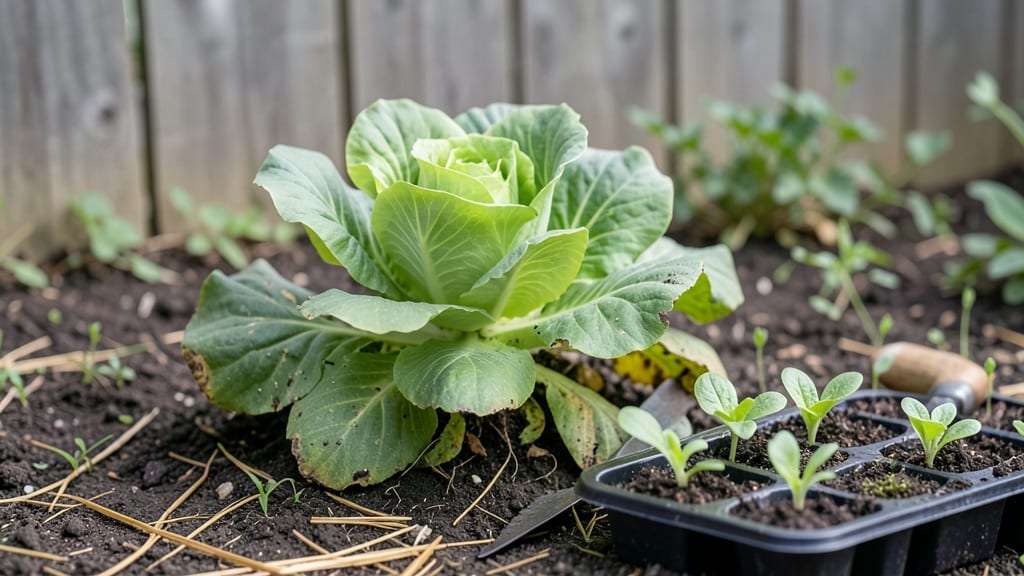
Getting into gardening starts with one small step—like planting a single basil seed in a sunny windowsill. I’ve watched beginners turn their skepticism into thriving green thumbs by focusing on what’s simple, not what’s complicated.
The key is starting small: a single pot, a few seeds, and a willingness to learn from mistakes.
You’ll need just a handful of basics: a container with drainage, potting soil, and a watering can. Sunlight is your most important tool—most plants need at least 6 hours of direct light daily.
Herbs like basil or mint grow like weeds, while leafy greens like lettuce thrive in partial shade. Avoid overcomplicating it with fancy tools or expensive setups.
Within weeks, you’ll see your first sprouts pushing through the soil—proof that you’re already doing it right. The real magic happens when you taste that first homegrown tomato or smell fresh-cut herbs. It’s not about perfection; it’s about progress, and every gardener starts somewhere.
Common mistakes? Overwatering (the #1 killer of seedlings) or planting too deep. But even those are easy to fix once you know the signs. The best part? You’ll end up with food, flowers, or both—and a hobby that keeps giving back. Ready to dig in?
📚 In This Guide
- What you need
- Instructions
- Tips and common mistakes
- Wrapping up and next steps
What you need
- ● Garden Space: A small plot (4’x4’ minimum), containers (5+ gallon pots), or even a sunny windowsill.
- ● Pro tip: If space is tight, try vertical gardening with trellises or hanging planters! 🌿
- ● Soil: 1-2 bags of potting mix (sterilized, peat-based or coconut coir blend) or garden soil (if in-ground).
- ○ Optional: Compost (1 bag) or worm castings for nutrient boost.
- ● Seeds or Seedlings: 5-10 easy-to-grow seeds (e.g., lettuce, marigolds, basil, or cherry tomatoes).
- ● OR 3-5 seedlings from a nursery (skip the waiting game!).
- ● Hand Trowel (1, stainless steel or ergonomic).
- ● Garden Gloves (1 pair, breathable for comfort).
- ● Watering Can (1, 1-gallon capacity) OR a hose with adjustable nozzle.
- ● Pruners (1 pair, bypass-style for clean cuts).
- ○ Optional Upgrades: Rake (small leaf rake for containers).
- ● Kneeling pad or stool (for comfort).
- ● Soil pH tester (digital or liquid kit).
- ● Sunlight: At least 6 hours/day for most veggies/flowers (check your plants’ needs!).
- ● Water Source: Nearby spigot or portable watering setup.
- ● Time: 10-15 minutes daily for watering/weeding (even micro-gardening helps!).
- ● Patience: Some plants take weeks to sprout—resist the urge to overwater! 💦
Instructions: your first steps into gardening
Gardening starts with small, confident actions—not overwhelming theories. Here’s how to begin without stress.
Start Small With Easy Plants
Begin with plants that forgive mistakes—herbs like basil or parsley, or flowers like marigolds. These grow quickly and tolerate beginner errors. I always suggest starting with 4 plants to avoid feeling overwhelmed. Choose healthy-looking seedlings from a local nursery or order seeds online for variety.
Look for plants with sturdy stems and vibrant leaves. Avoid anything wilted or yellowing—those signs mean the plant is already struggling. Place your new plants in a spot where you’ll see them daily. This keeps you engaged and makes maintenance feel effortless.
Pick the Right Containers or Garden Bed
If you’re gardening in containers, use pots with drainage holes to prevent root rot. A 6-inch diameter pot works well for herbs, while larger pots (at least 12 inches wide) suit vegetables like tomatoes. For in-ground planting, choose a sunny spot with loose, well-draining soil.
Test your soil by squeezing a handful—if it crumbles easily, it’s ready for planting. If it sticks together, mix in compost to improve drainage. Avoid heavy clay soil for beginners; it holds too much moisture and can drown roots. A small shovel and garden gloves are all you need to prep the area.
Water Consistently but Carefully
Water deeply once every 2-3 days until the top inch of soil feels dry. Overwatering is the fastest way to kill young plants. Use a watering can with a narrow spout to direct moisture at the base, avoiding leaves to prevent fungal diseases.
Check soil moisture by sticking your finger in—if it’s damp but not soggy, you’re doing it right. Early mornings are best for watering, as it gives plants time to absorb moisture before the heat of the day. A small spray bottle helps keep seedlings hydrated without disturbing their delicate roots.
Observe and Adjust Daily
Spend 5 minutes each morning checking your plants for signs of stress—wilting leaves, yellowing, or pests. Early intervention saves time and frustration. Most issues (like aphids) are easy to spot if you look closely.
Adjust care based on what you see: more light if leaves stretch toward the sun, less water if soil stays damp, or extra support if stems bend. Gardening is a learning process, and every plant teaches you something new. Keep a small notebook nearby to jot down what works and what doesn’t.
Celebrate Small Wins
Notice the first true leaves? That’s your first success. Did a flower bloom? That’s progress. Gardening isn’t about perfection—it’s about growth, both for your plants and for you. Share your progress with friends or online gardening communities for encouragement.
As your confidence grows, expand slowly. Try a new plant or experiment with companion planting (like basil near tomatoes). The goal isn’t to master everything at once—it’s to enjoy the journey. Before you know it, you’ll be troubleshooting like a pro.
Tips & tricks for perfect gardening success
Starting a garden shouldn't feel like a science experiment—here's how to set yourself up for success from the very beginning.
Selection Tip: When choosing your initial 4 plants, prioritize those with fast growth cycles like basil or marigolds. These plants give you quick wins that build confidence. I always recommend checking the seed packet for "days to maturity"—look for plants that promise harvest in under 60 days. This prevents the discouragement that comes from waiting too long for results. The first true leaves typically appear within 1-2 weeks for these varieties, giving you tangible progress to celebrate.
Container Strategy: For your 6-inch herb pots, consider using lightweight materials like terracotta or fabric grow bags. These allow for better airflow to the roots, which is especially important for herbs that can develop root rot if kept too moist. When selecting larger pots for vegetables like tomatoes, make sure they have sturdy handles—you'll be moving them frequently to follow the sun's path. Remember that the wider the pot, the more stable it will be, reducing the risk of tipping in windy conditions.
Watering Wisdom: The 2-3 day watering schedule works best when your plants are established, but seedlings need more frequent attention. For the first week, water daily in the morning using a spray bottle to keep the soil consistently moist without disturbing delicate roots. After that, stick to the 2-3 day schedule but always check that top inch of soil—if it's dry to the touch, it's time to water. Early morning watering prevents fungal diseases by giving leaves time to dry completely before evening humidity sets in.
Daily Observation: Those 5 minutes you spend each morning checking your plants can save hours of frustration later. Look for the classic "V" shape where leaves meet the stem—this is where pests like aphids often hide. Keep a small magnifying glass handy if your vision isn't perfect; you'll spot early signs of trouble that might otherwise go unnoticed. I've found that keeping a small notebook by my plants helps track patterns—like which days get the most sun or when wilting occurs after watering.
Pro Tips for Get Into Gardening
- Starting a garden shouldn't feel like a science experiment—here's how to set yourself up for success from the very beginning.
- Selection Tip: When choosing your initial 4 plants, prioritize those with fast growth cycles like basil or marigolds.
- Container Strategy: For your 6-inch herb pots, consider using lightweight materials like terracotta or fabric grow bags.
Frequently asked questions
Got questions about diving into gardening? You’re not alone! Here are some of the most common concerns—and straightforward answers—to help you grow with confidence.
Do I need a big yard to start gardening?
Not at all! Many beginners thrive with container gardening—pots, window boxes, or even vertical gardens work perfectly. Even a sunny balcony or small patio can grow herbs, veggies, or flowers. Start small, and expand as you gain experience!
What’s the best time of year to begin gardening?
The "best" time depends on your climate, but spring is ideal for most regions. Check your local frost dates—plant after the last frost, or start seeds indoors 6-8 weeks earlier. Cool-season crops (like lettuce) can even go in fall!
Is gardening expensive? How can I save money?
Gardening can be budget-friendly! Skip pricey starter plants—buy seeds instead (they’re cheaper and often hardier). Reuse containers, compost kitchen scraps, and swap plants with neighbors. Even dollar-store supplies (like gloves or soil) can work in a pinch!
What do I do if pests or diseases attack my plants?
Don’t panic! Start with prevention: healthy soil, proper spacing, and regular checks. For pests, try neem oil or handpick bugs. Diseases? Remove affected leaves and improve airflow. When in doubt, ask local gardening groups for advice!
Can I garden if I don’t have a green thumb?
Gardening is a skill—everyone starts as a beginner. Focus on low-maintenance plants (like succulents or zucchini) and learn as you go. Mistakes are part of the process! Even "failed" plants teach you what works (and what doesn’t) for your space.
Wrapping up and next steps
Getting into gardening is easier than you think—just start small, gather the right tools, and embrace the learning process! 🌱 Whether you’re growing herbs on a windowsill or planting a full vegetable patch, every green thumb began as a beginner. Your next step? Pick one plant or project, take it day by day, and watch your confidence (and garden!) grow.
Need a little extra inspiration? Try starting with a low-maintenance plant like succulents or leafy greens—success will fuel your passion! Happy planting!