
Advice
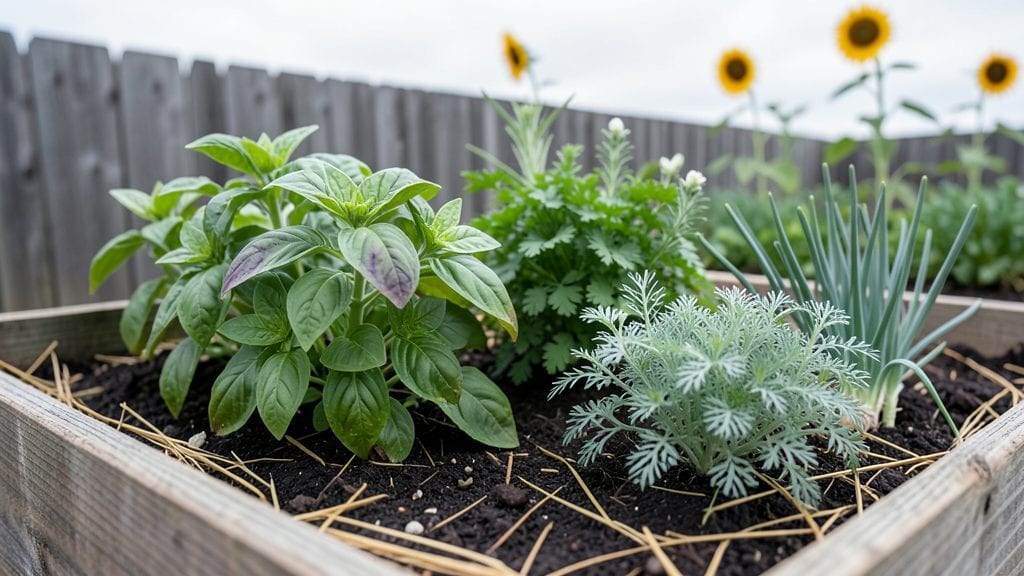
Herbs gardening thrives with low-maintenance varieties like basil, thyme, and parsley, which require minimal watering, partial sunlight, and well-draining soil. Start with seeds or seedlings in containers for easy control over growth conditions and pest prevention.
Starting an herbs gardening project is one of the most rewarding ways to bring fresh flavors to your kitchen while keeping maintenance simple. 🌱 The best part? These plants are forgiving—thyme and rosemary, for example, can survive drought-like conditions once established, while basil thrives in pots on a sunny windowsill.
I’ve found that container gardening eliminates soil-borne diseases and gives you total control over drainage, which is critical for herbs that hate soggy roots. Plus, harvesting is easier when your plants are within arm’s reach!
For maximum yield, focus on proper spacing and regular trimming. Herbs like cilantro and dill grow quickly but need room to avoid crowding, while perennials like oregano benefit from light pruning to encourage bushier growth.
A little seasonal care—like moving containers indoors before frost—can extend your harvest well into fall. The key is consistency: check soil moisture with your finger before watering, and always snip just above a leaf node to promote new growth.
💡 In This Article
- Why Choose Easy-Grow Herbs for Beginners
- Proven Techniques to Maximize Herb Yield
Why choose easy-grow herbs for beginners
Botanically speaking, easy-grow herbs like thyme and oregano have evolved to thrive in harsh conditions—drought tolerance is their superpower. These Mediterranean natives store water in their thick, fleshy leaves and stems, allowing them to go weeks without rain once established.
Their shallow root systems also mean they don't compete aggressively with other plants, making them perfect for containers or garden beds where space is limited. 🌿 The science behind this is their C3 photosynthesis pathway, which conserves water by closing stomata (pores) during heat stress, unlike many vegetables that wilt quickly when thirsty.
Fast germination is another game-changer for beginners. Herbs like basil and cilantro sprout in just 5-14 days under ideal conditions (warm soil at 70-75°F), while perennials such as rosemary take 21-30 days but reward you with years of growth.
This speed means you'll see progress quickly, which keeps motivation high. The key is starting seeds indoors 6-8 weeks before your last frost date—this head start gives them a competitive edge against weeds and pests that emerge later in spring.
Pest resistance comes from their strong aromas and chemical defenses. For example, rosemary contains rosmarinic acid, a natural compound that deters insects like aphids, while thyme's high thymol content (up to 30% in essential oils) repels spider mites.
This means you'll spend less time spraying pesticides and more time harvesting. Even deer and rabbits typically avoid these herbs, making them ideal for unprotected backyard plots. 🦋 The trade-off? Some herbs like dill attract beneficial insects, so balance is key when planning your garden layout.
Container adaptability stems from their compact growth habits. Most herbs top out at 12-24 inches tall, perfect for 6-12 inch pots where you control drainage completely. Unlike root vegetables that need deep soil, herbs thrive in just 6-8 inches of well-draining mix.
This flexibility lets you grow them on patios, balconies, or even kitchen windowsills. The only exception is perennial herbs like asparagus, which need deeper soil—but even then, you can grow them in raised beds or large containers with 12+ inches of depth.
When comparing annuals (like basil) to perennials (like thyme), the growth cycles reveal different strengths. Annuals give you one season of rapid growth (3-4 months) but require replanting yearly, while perennials establish roots their first year and produce 2-3 times more in subsequent years.
The trick? Plant both types together—annuals fill gaps while perennials build resilience. For example, mix basil (annual) with thyme (perennial) in the same pot: the basil provides summer shade for thyme's roots while the thyme deters pests that target basil.
What most beginners don't realize is how these herbs handle common challenges. Leggy growth? Often caused by insufficient light—herbs like parsley need 4-6 hours of direct sun daily, while basil tolerates 3-4 hours but grows taller and less flavorful in shade.
Bolting (premature flowering) happens when days get longer or temps rise above 75°F, but varieties like 'Genovese' basil are bred to resist this. The solution? Use shade cloth in peak summer or choose heat-tolerant varieties like 'Thai basil'. 🌞
Start with these three botanical advantages: water efficiency, pest deterrence, and container flexibility. Together, they create a nearly foolproof system for growing herbs—even if you forget to water occasionally or your balcony gets partial shade.
That's why thyme, rosemary, and parsley are the top three picks for first-time gardeners: they'll still produce edible leaves even when you're learning the ropes.