
Advice
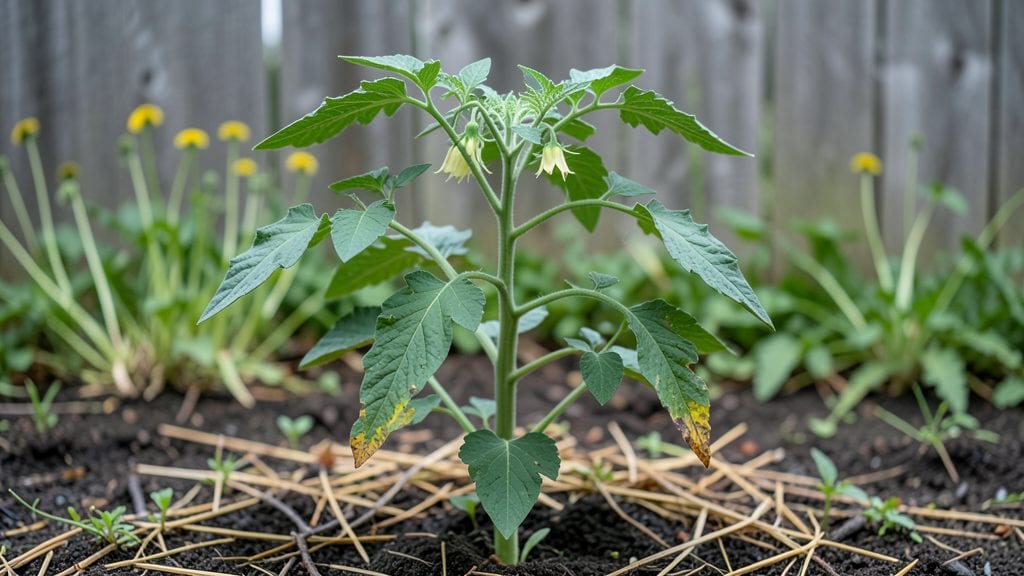
The best states for gardening offer diverse climates: California, Oregon, and Washington provide mild conditions perfect for year-round planting, while Texas, Florida, and Georgia thrive with warm-weather crops. Northern states like Michigan and Minnesota excel with cold-hardy perennials and frost-resistant vegetables.
The right state for gardening depends on your climate preferences and what you want to grow. 🌱 Coastal states like California and Oregon give gardeners long growing seasons with Mediterranean weather, ideal for vegetables, fruits, and drought-tolerant plants.
Meanwhile, Florida and Texas offer subtropical climates perfect for citrus, tropical fruits, and heat-loving flowers. Northern states shine with their ability to grow hardy crops like potatoes, kale, and berries even in cooler months.
What sets these top states apart isn't just the weather—it's the local expertise and resources available.
Many have thriving gardening communities, university extension programs, and farmers' markets that provide tailored advice for everything from soil prep to pest control. 💫 Whether you're in a warm desert or a chilly northern zone, these states prove that great gardening happens in every climate.
💡 In This Article
- Climate Zones That Define Top Gardening States
- Regional Plant Success Stories by State
Climate zones that define top gardening states
The United States stretches across 13 USDA hardiness zones, each dictating what plants thrive—and how gardeners must adapt. California's coastal regions (zones 8-10) enjoy 300+ frost-free days annually, while inland deserts (zones 9-11) face extreme heat with minimal rainfall.
This creates a paradox: coastal gardens flourish with Mediterranean herbs like rosemary, while desert gardens prioritize agave and cacti that store water in their leaves.
Florida's humid subtropical climate (zones 9-11) brings 90% humidity year-round, making fungal diseases like powdery mildew a constant battle—yet it rewards gardeners with year-round citrus and tropical fruits.
Temperature extremes shape plant selection dramatically. In Michigan (zones 4-6), gardeners rely on cold-hardy perennials like peonies that survive -20°F winters, while Texas (zones 7-10) demands heat-tolerant varieties like Okra, which thrives in 95°F+ temperatures. The key difference?
Michigan's 120-150 frost days force early spring planning, while Texas's 0-20 frost days allow extended growing seasons. Even rainfall patterns vary wildly: Oregon's 90+ inches annually supports lush vegetable gardens, while Arizona's 8-12 inches demands drip irrigation systems for survival.
Seasonal variations create micro-climates within states. California's Central Valley (zone 9) experiences 100°F summers but 40°F nights, requiring plants that tolerate temperature swings—like artichokes that bolt in heat but survive light frosts.
Florida's hurricane season (June-November) forces gardeners to protect tender plants with hurricane cloth, while Minnesota's short 120-day growing season demands fast-maturing crops like bush beans (50 days to harvest). These seasonal challenges explain why each state develops unique gardening traditions—from California's succulent gardens to Florida's palm-lined landscapes.
Drought-resistant adaptations dominate in arid states. Nevada's zone 7b-9a gardens rely on xeriscaping with plants like yucca and lavender that require less than 1 inch of water weekly.
In contrast, Louisiana's zone 8a-9b gardens prioritize water-loving plants like water lilies and cypress trees that thrive in 50+ inches of annual rainfall.
The science behind this? Xerophytes (drought plants) have thick cuticles and sunken stomata to reduce water loss, while hydrophytes develop air pockets in stems to float in waterlogged soils.
This biological adaptation explains why a rosemary bush in Arizona might survive on 1/10th the water needed by a tomato plant in Georgia.
Humidity creates its own set of challenges. Florida's 90%+ humidity accelerates plant diseases, requiring fungicide sprays every 2-3 weeks for vegetables. Meanwhile, California's low humidity (30-50%) reduces fungal pressure but increases evaporative water loss from plants. The solution?
Florida gardeners use mulch to retain moisture, while California gardeners opt for drip irrigation that delivers water directly to roots. These regional adaptations show how climate isn't just about temperature—it's a complex interplay of humidity, rainfall, and seasonal patterns that shape every gardening decision.
What most gardeners don't realize is how microclimates within states create even more variation. A 10-mile elevation change in Colorado can shift zones by 2-3 levels—explaining why Denver (zone 5b) can grow apples, while nearby Boulder (zone 6a) succeeds with peaches.
Similarly, San Francisco's coastal fog keeps temperatures 10°F cooler than inland Sacramento, allowing coastal gardens to grow olives and figs that would struggle just 20 miles inland. These microclimates prove that even within top gardening states, location matters more than the state line itself. 🌿