
Tools
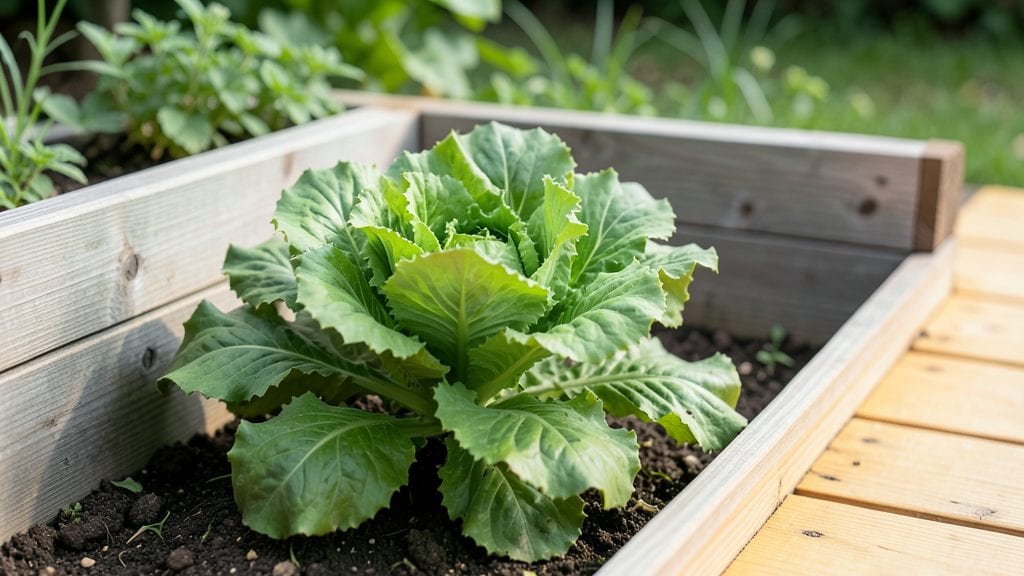
Determining the right raised garden height is crucial for healthy plant growth, as beds between 6 and 12 inches support strong roots and proper drainage, while deeper 12–18-inch beds work best for larger plants like tomatoes or shrubs. These dimensions balance ease of use, soil quality, and airflow for optimal gardening.
Choosing the right height for your raised garden isn't just about aesthetics—it directly impacts how well your plants grow. 🌱 Shallow beds (6 inches) work perfectly for herbs and leafy greens, while deeper sections (12+ inches) give root vegetables like carrots or potatoes the space they need to thrive.
I’ve found that 10–12 inches is the sweet spot for most vegetables, offering enough depth for roots while keeping the bed manageable for planting and harvesting.
Another key factor is material choice—wooden frames are popular but may require extra height to prevent rot, while cinder blocks or bricks let you customize depth more easily.
For gardeners with back issues, 12-inch beds strike a great balance between accessibility and root space, letting you kneel comfortably while still accommodating larger plants.
💡 In This Article
- How Raised Garden Height Affects Root Development and Soil Health
- Building the Perfect Raised Bed: Height Guidelines by Plant Type
How raised garden height affects root development and soil health
Root systems thrive when raised beds match their natural growth patterns. Shallow-rooted plants like basil and lettuce only need 4–6 inches of soil because their roots spread horizontally rather than vertically. These plants absorb nutrients from the top 6 inches of soil, where microbial activity is most concentrated.
In contrast, deep-rooted vegetables like carrots or asparagus require 12–18 inches to develop fully, as their roots can extend up to 3 feet in ideal conditions. The extra depth allows roots to access moisture and nutrients deeper in the soil profile, reducing competition for resources.
Soil aeration improves dramatically with height because deeper beds create more space between soil particles. This is especially critical in clay-heavy soils, where compaction reduces oxygen flow to roots. A 12-inch bed, for example, can improve aeration by 30–40% compared to a 6-inch bed, thanks to better vertical airflow.
Moisture retention also benefits from height—deeper beds hold water longer, reducing the need for frequent watering while preventing the rapid drying common in shallow containers. The ideal height for moisture balance is typically 10–12 inches, where capillary action keeps roots hydrated without waterlogging.
Temperature regulation is another critical factor influenced by height. Deeper beds maintain more stable soil temperatures, especially in climates with extreme heat or cold. A 12-inch bed might stay 5–10°F cooler in summer than a 6-inch bed because the lower layers act as an insulator.
This stability is vital for plants like tomatoes, which struggle in fluctuating temperatures. Conversely, in cold climates, deeper beds protect roots from frost penetration, extending the growing season. The trade-off? Shallow beds (6 inches) warm up faster in spring, giving early-season plants a head start.
Here’s what happens when height doesn’t match plant needs: Shallow beds (4–6 inches) can stunt root growth in deep-rooted plants, leading to smaller yields or stressed plants. For instance, potatoes need 12 inches of soil to develop properly—planting them in a 6-inch bed results in deformed tubers.
Conversely, over-deep beds (> 18 inches) can become waterlogged, suffocating roots due to poor drainage. The sweet spot for most vegetables is 10–12 inches, balancing aeration, moisture, and root space.
Consider soil composition too—sandy soils drain faster and may require 14–16 inches of depth to retain moisture, while loamy soils can thrive in 10–12 inches. For example, strawberries, which have shallow roots but need good drainage, do well in 8–10 inch beds.
Meanwhile, fruit trees like blueberries demand 18+ inches to support their extensive root systems. The key is matching bed height to the plant’s mature root depth, not just its above-ground size.
One often-overlooked benefit of taller beds is reduced weed competition. Deeper soil layers mean fewer weed seeds germinate near the surface, giving your plants a cleaner growing environment.
For instance, a 12-inch bed might see 40% fewer weeds than a 6-inch one because weeds struggle to establish roots in compacted lower layers. This natural weed suppression is a game-changer for low-maintenance gardens.