
Landscaping
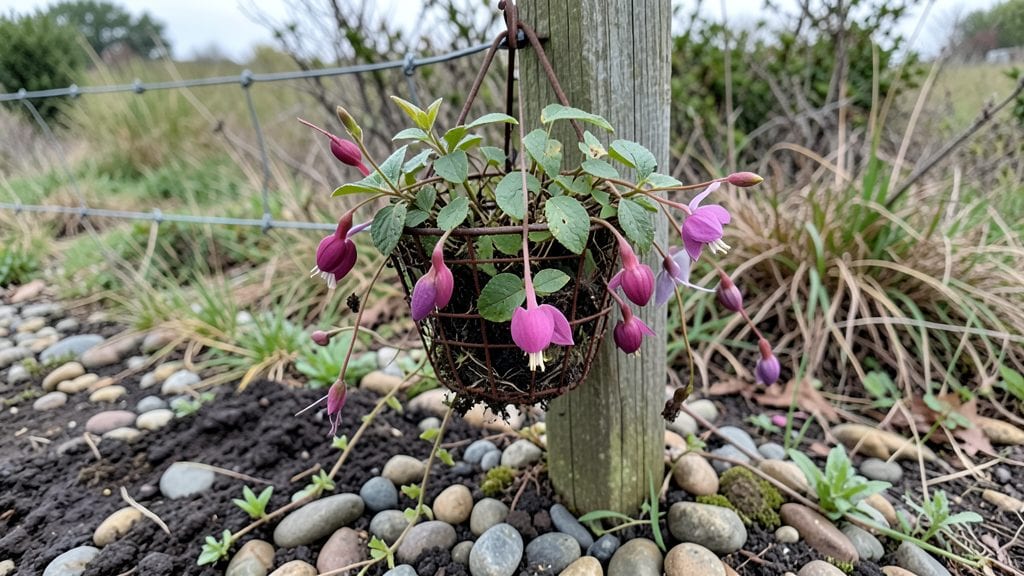
A hanging fence garden turns an eyesore into a fragrant, blooming privacy screen that smells like summer all year. I installed mine after years of struggling with chain-link fences—now it’s the first thing neighbors notice when they walk by.
The key is choosing plants that cascade beautifully while handling heat, rain, and your local pests without fuss.
Start with a sturdy fence and lightweight planters—think woven baskets, plastic pockets, or even repurposed gutters. Trailing plants like nasturtiums, sweet alyssum, or creeping thyme create instant color, while herbs like oregano or mint add fragrance and practicality.
For vegetables, try cherry tomatoes or bush beans in pockets along the bottom. The best part? You can mix everything in one system, so every season brings new textures and scents.
By midsummer, your fence will be a lush, living curtain—vibrant blooms in spring, herbs ready for cooking in summer, and maybe even a few late-season berries. Maintenance is minimal: water twice a week, trim back leggy growth, and fertilize every few months.
The return? A backyard that feels secluded, a garden that produces, and a view that changes with the seasons.
Works for urban backyards, suburban driveways, or even apartment balconies with the right hardware. Whether you’re hiding a noisy street or just adding charm, this project delivers privacy with personality. Ready to transform that fence into a garden?
📚 In This Guide
- What you need
- Instructions
- Tips and common mistakes
- Wrapping up and next steps
What you need
- ● Fence: A sturdy, vertical fence (wood, metal, or composite) with enough space between slats or panels to hang containers (minimum 4" gap recommended).
- ● Hanging planters: 6–12 self-watering or breathable fabric pots (8–12" diameter, depending on plant size).
- ● Metal or plastic hooks (galvanized for durability) to secure planters to the fence.
- ● Growing medium: High-quality potting mix (avoid garden soil—it’s too heavy!). Aim for 2–3 cubic feet total.
- ● Plants: Choose compact, trailing, or climbing varieties like: Fragrant: Jasmine, Lavender, or Honeysuckle (1–2 plants per pot).
- ● Seasonal blooms: Petunias, Fuchsias, or Begonias (3–5 plants per pot).
- ● Greenery: Pothos, Ivy, or Creeping Jenny (1–2 per pot for fill).
- ● Tools: Drill or screwdriver (for attaching hooks).
- ● Measuring tape.
- ● Gloves and knee pads (for comfort!).
- ● Drip irrigation system or self-watering planters to reduce maintenance.
- ● Solar-powered LED lights for evening ambiance.
- ● Decorative accents like mosaic tiles or painted pots for a personalized touch.
- ● Fertilizer spikes or slow-release granules for nutrient-boosted blooms.
- ● 🌡️ Test your fence’s weight capacity—hang a few gallons of water to ensure stability.
- ● ✨ Space plants evenly (8–12" apart) for balanced growth and airflow.
- ● 🎯 Group plants by water needs (e.g., drought-tolerant lavender near succulents).
Step-by-Step instructions for building a hanging fence garden
Transform your fence into a fragrant, seasonal display with this simple vertical gardening method.
Gather Materials and Prepare the Fence Surface
Start by inspecting your fence for any rough edges or protruding nails that could damage your plants or containers. I like to use a wire brush to smooth any splinters and ensure the surface is clean. For a 4-foot section of fence, you'll need 10-12 hanging baskets (or pockets) to create a lush, continuous look. Choose baskets with sturdy handles or pre-drilled holes for easy attachment.
If your fence is made of wood or metal, you may need to pre-drill small holes near the top edge for hanging hardware. For vinyl or smooth surfaces, use adhesive hooks designed for outdoor use. Avoid overcrowding—space baskets 6-8 inches apart to allow airflow and prevent disease. This spacing also makes maintenance easier, as you won’t have to stretch or balance precariously.
Attach Hanging Baskets or Pockets
Begin by positioning the baskets at varying heights to create visual interest. Start with the lowest baskets first, then work your way up, adjusting as needed. For plastic or fabric baskets, use S-hooks or wire hangers threaded through the handles and secured over the fence’s top edge. If using felt pockets, staple or screw them directly into the fence, ensuring the top edge is flush against the surface for stability.
Double-check each attachment before adding soil or plants. A loose basket can swing wildly in wind or rain, leading to root damage or even lost plants. I always give each basket a gentle tug to confirm it’s secure. For extra security on windy days, consider adding a zip tie around the basket handle and fence edge as a backup.
Fill Baskets with Lightweight Potting Mix
Use a high-quality potting mix designed for hanging baskets—it should be lightweight yet retain moisture without becoming waterlogged. Avoid garden soil, as it compacts and drains poorly in suspended containers. For each 10-inch basket, fill it ¾ full with the potting mix, leaving room for roots to expand. Press the soil lightly to eliminate air pockets but avoid compacting it too firmly.
Add a slow-release fertilizer (like osmocote) to the soil mix at this stage to provide nutrients over the growing season. I like to sprinkle a handful into the bottom of each basket before adding the potting mix. This ensures your plants have a steady supply of nutrients without the risk of over-fertilizing. Water the soil lightly after filling to settle it and remove any dust.
Select and Plant Fragrant, Seasonal Flowers
Choose plants that thrive in hanging positions and offer fragrance or seasonal color. For spring, sweet alyssum or petunias work beautifully, while lavender or jasmine add scent and texture in summer. In fall, pansies or snapdragons provide vibrant blooms. For year-round interest, evergreen ferns or creeping thyme can fill gaps between seasonal plants.
When planting, place 1-3 plants per 10-inch basket, depending on their size. Larger plants like geraniums or impatiens should have their own dedicated baskets, while smaller annuals like lobelia or bacopa can share space. Water the plants thoroughly after transplanting to help them establish roots quickly. Avoid placing heavy baskets near the top of the fence—distribute weight evenly for balance.
Water and Maintain for Continuous Blooms
Hanging gardens dry out faster than ground-level planters, so water deeply twice daily during the first week to help roots establish. After that, check soil moisture daily—top inch should feel dry before watering again. Use a gentle spray nozzle to avoid displacing soil or damaging delicate flowers. Mulch the soil surface with orchid bark or shredded coconut coir to retain moisture and suppress weeds.
Fertilize every 2-3 weeks with a balanced liquid fertilizer (10-10-10) during the growing season. Deadhead spent blooms regularly to encourage continuous flowering. If you notice yellowing leaves or leggy growth, your plants may need more light—consider relocating the baskets to a sunnier spot. With proper care, your hanging fence garden will provide privacy, fragrance, and color for seasons to come.
Tips & tricks for perfect hanging fence gardens
A few strategic adjustments will transform your fence into a thriving vertical oasis that outlasts the season. These are the lessons I learned after watching my first garden swing precariously in a storm.
Attachment Security: In Step 2, when securing your baskets, I can't stress enough how critical this is—especially for wind-prone areas. For wooden or metal fences, pre-drill holes slightly larger than your hardware to prevent splitting. The key is creating a snug fit where the basket handle or pocket edge sits flush against the fence. I've seen plastic baskets pop off when the wind catches them, so I recommend adding a zip tie as a secondary anchor. This simple precaution saved my first garden from becoming a wind-blown disaster.
Soil Weight Distribution: The ¾-full fill recommendation in Step 3 is non-negotiable for stability. I learned this after watching my first heavy baskets sag dangerously. For a 4-foot section, distribute weight evenly by placing slightly heavier baskets toward the middle of the fence rather than clustering them at the top. You can also opt for lightweight coconut coir chips mixed into your potting soil—they reduce weight by up to 20% while improving drainage.
Plant Pairing Strategy: When selecting plants in Step 4, consider their growth habits and fragrance compatibility. Pair heavy bloomers like petunias with lightweight fillers like lobelia to maintain balance. I've found that mixing fragrant plants like jasmine with non-fragrant varieties creates a more pleasant overall scent experience. Also, place taller plants toward the back of the basket and trailing varieties toward the front to create a natural waterfall effect that hides the basket edges.
Watering Technique: The twice-daily watering recommendation in Step 5 is crucial during the first week, but I've discovered a better method. Instead of using a standard watering can, I recommend a gentle shower attachment on your hose. This allows you to water deeply without displacing soil or damaging delicate flowers. Water in the early morning to allow foliage to dry before evening, which prevents fungal issues. For extra insurance, I add a layer of mulch after watering to lock in moisture.
Pro Tips for Hanging Fence Garden
- A few strategic adjustments will transform your fence into a thriving vertical oasis that outlasts the season.
- Attachment Security: In Step 2, when securing your baskets, I can't stress enough how critical this is—especially for wind-prone areas.
- Soil Weight Distribution: The ¾-full fill recommendation in Step 3 is non-negotiable for stability.
Frequently asked questions
Got questions about transforming your fence into a lush, fragrant garden?
Here are answers to the most common ones—so you can dive in with confidence!
What’s the best time of year to install a hanging fence garden?
The ideal time is early spring (before the growing season kicks off) or late fall (after the first frost). This gives plants time to establish roots before extreme heat or cold. If you’re in a mild climate, you can plant year-round—but avoid freezing temperatures!
How often should I water a hanging fence garden?
Watering depends on your climate, but generally, daily light misting in the morning is best for the first 2 weeks. Once established, water every 2–3 days (or when the soil feels dry to the touch). Hanging gardens dry out faster than ground-level ones—so don’t overlook them!
Can I use this for edible plants, or is it just for flowers?
You can grow herbs (basil, thyme), strawberries, cherry tomatoes, or peppers in a hanging fence garden—just choose lightweight, trailing varieties. Avoid heavy fruits like watermelons. For edibles, opt for organic soil and pest-resistant plants to keep bugs at bay.
What if my fence isn’t sturdy enough to hold the weight?
If your fence is wood or vinyl, reinforce it with additional brackets or a metal lattice before attaching the garden. For chain-link fences, use a heavier-duty wire mesh or a pre-made hanging planter system. Always distribute weight evenly—never overload one section!
How do I keep pests (like aphids or snails) from ruining my garden?
Prevent pests with neem oil spray or companion planting (e.g., marigolds repel bugs). For snails, add copper tape around the edges. If you spot issues early, handpick pests or use organic insecticidal soap. A healthy, well-watered garden is your best defense!
Can I mix different plant types (e.g., flowers + veggies) in one hanging garden?
Yes! Just group plants with similar water and sunlight needs (e.g., sun-loving herbs with drought-tolerant flowers). Avoid mixing fast-spreading vines (like ivy) with delicate blooms. For a fragrant, functional look, try jasmine + basil or lavender + thyme—they thrive together!
Wrapping up and next steps
A hanging fence garden isn’t just a creative way to add privacy—it’s a fragrant, ever-changing masterpiece that brings life to your outdoor space. 🌿 With seasonal blooms and vertical charm, you’re not only enhancing your yard but also creating a serene, functional retreat.
Whether you’re a seasoned gardener or just starting out, this project is a rewarding way to transform your fence into a lush, living work of art.
Ready to take the next step? Start small—pick a section of your fence, gather your materials, and let your green thumb shine! Your fragrant, blooming privacy screen is just a few plants away.