
Vegetables
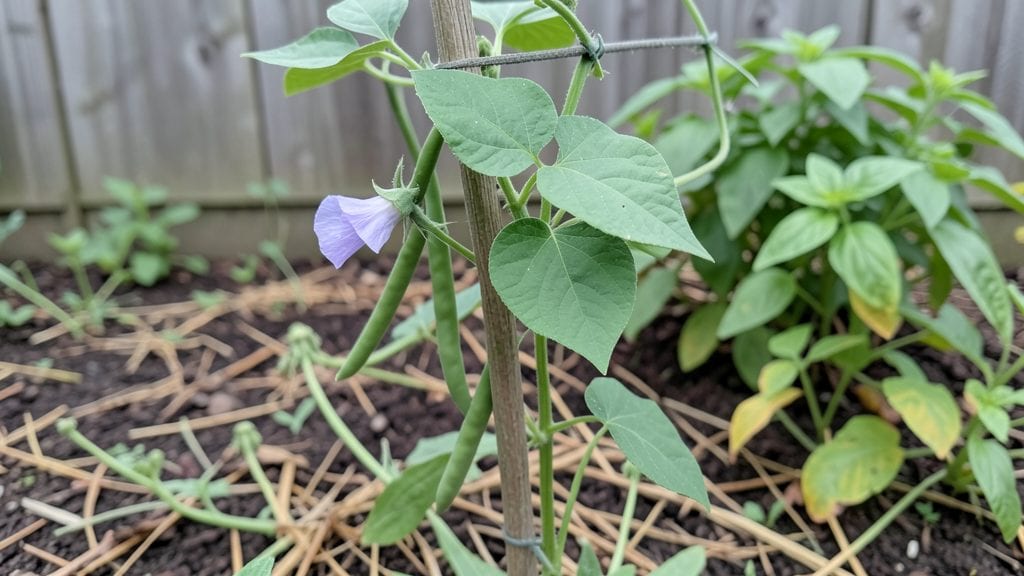
Green bean gardening tips start with one simple truth: the right soil mix repels pests before they arrive. I learned this the hard way after losing my first crop to cutworms—until I swapped my garden soil for a foolproof blend of compost, worm castings, and a handful of diatomaceous earth.
The difference was immediate: no chewed stems, no missing pods, just vibrant green plants climbing toward the sky.
Here’s the game-changer: green beans thrive in well-draining, nutrient-rich soil that’s loose enough for roots to spread but holds moisture without turning to mud. Most varieties—whether bush beans like ‘Blue Lake’ or pole beans like ‘Kentucky Wonder’—prefer 60-70°F soil and full sun (6+ hours daily).
Plant seeds 1 inch deep, 3-4 inches apart for bush types or 4-6 inches apart in rows for pole beans, with 18-24 inches between rows. A 5-foot trellis saves space and keeps pods off damp soil where pests lurk.
Watering is where beginners stumble: too much and roots rot; too little and pods shrivel. Aim for 1 inch per week, delivered at the base—not overhead—to keep leaves dry and fungal diseases at bay. Mulch with straw or grass clippings to lock in moisture and deter slugs.
By mid-summer, you’ll be harvesting tender, snappy beans straight from the vine, with enough leftovers to freeze for winter. The secret? Consistency in soil, water, and a little shade cloth on scorching afternoons.
This method works for containers, raised beds, or in-ground plots—even in small spaces. Whether you’re growing for fresh eating or canning, the same principles apply. Let’s get those beans in the ground before the heat sets in!
📚 In This Guide
- What you need
- Instructions
- Tips and common mistakes
- Wrapping up and next steps
What you need
- ● Seeds: 1–2 lbs of green bean seeds (choose bush or pole varieties based on your space). Pro tip: 💡 Opt for heirloom or organic seeds for better flavor and pest resistance!
- ● Soil: Well-draining, fertile soil with a pH of 6.0–7.0. Mix in 2–3 inches of compost or aged manure for nutrients.
- ● Watering can or hose: With a gentle spray nozzle to avoid disturbing seedlings.
- ● Garden twine or stakes: (For pole beans) – 6–8 ft tall, spaced 6 inches apart.
- ● Fertilizer: Balanced 10-10-10 or organic options like fish emulsion (apply lightly at planting and mid-season).
- ● Mulch: Straw or shredded leaves (2–3 inches) to retain moisture and deter weeds.
- ● Row covers: Lightweight fabric to protect young plants from pests like flea beetles.
- ● Pest control: Neem oil, diatomaceous earth, or insecticidal soap for organic pest management.
- ● Trellis or cage: For vertical growing (saves space and improves airflow).
- ● Soil test kit: To check nutrient levels before planting.
- ● Knee pads or gardening stool: Because comfort matters when you’re knee-deep in beans! 😉
Step-by-Step instructions for pest-proof green bean cultivation
Here’s how to grow vigorous green beans that naturally resist pests—no chemicals required.
Prepare Soil for Disease Resistance
Green beans thrive in well-drained soil with a pH between 6.0 and 7.0. Before planting, amend the soil with 2 inches of compost to introduce beneficial microbes that suppress fungal diseases like rust and anthracnose. I always work in a 5-gallon bucket of aged compost mixed into the top 6 inches of soil—this ensures roots encounter healthy, nutrient-rich conditions from day one.
Test your soil’s drainage by digging a 12-inch hole, filling it with water, and timing how long it takes to drain. If it takes longer than 30 minutes, add 1 part perlite to 3 parts soil to improve aeration. Poor drainage invites root rot, which weakens plants and makes them vulnerable to pests.
Plant Seeds at the Right Depth and Spacing
Sow seeds 1 inch deep and 3 inches apart in rows spaced 18 inches apart. Planting too shallow delays germination, while burying seeds too deep exhausts their energy reserves before reaching light. I use a seed spacing template (a simple wooden frame with marked holes) to maintain consistency—this prevents overcrowding, which fosters fungal issues.
For bush beans, space plants 4-6 inches apart in a grid pattern. For pole beans, plant seeds 6 inches apart along a 6-foot-tall trellis or sturdy stakes. The trellis elevates foliage, reducing soil-borne disease risk and making harvesting easier. Water seeds immediately after planting to settle soil around them.
Mulch to Suppress Weeds and Pests
Apply a 3-inch layer of straw mulch around plants once they reach 6 inches tall. Mulching blocks weed growth, which competes for nutrients, and deters slugs and cutworms by creating an inhospitable barrier. I use straw instead of wood chips because it decomposes slowly and doesn’t compact like grass clippings.
Keep mulch 2 inches away from plant stems to prevent moisture buildup, which can rot stems. Refresh the mulch layer every 4-6 weeks as it breaks down. This practice also conserves soil moisture, reducing the need for frequent watering—a common stressor that invites pests.
Monitor for Early Pest Signs and Act Quickly
Inspect plants twice weekly for signs of aphids, Mexican bean beetles, or spider mites. Look for sticky residue (honeydew), skeletonized leaves, or fine webbing—these are early warnings. I spray plants with a soapy water solution (1 tablespoon mild dish soap per gallon of water) at the first sign of trouble. This disrupts pests’ life cycles without harming beneficial insects.
Encourage natural predators by planting marigolds or nasturtiums nearby—their strong scent repels pests while attracting ladybugs and lacewings. If you spot yellowing leaves or stunted growth, check for root-knot nematodes by gently pulling a plant and examining the roots. If present, rotate crops next season to break the nematode cycle.
Harvest at Peak Flavor to Encourage Continuous Production
Pick beans when pods are 4-6 inches long and tender. Harvesting regularly stimulates more production and prevents pods from toughening. I use sharp pruning shears to snip stems cleanly, avoiding damage that invites disease. For pole beans, twist pods gently to avoid tugging on the vine.
Harvest every 2-3 days during peak production to maintain plant vigor. Store beans in a ventilated container in the refrigerator for up to 5 days. Overripe beans left in the garden attract pests like bean beetles, so stay vigilant. With consistent harvesting, a single plant yields 1-2 pounds of beans over its lifespan.
Tips & tricks for pest-proof green bean cultivation
A few strategic adjustments can transform your green bean garden from pest-prone to thriving. The key lies in understanding how to optimize the steps you've already taken—especially when it comes to soil preparation and ongoing maintenance.
Soil Preparation Insight: When testing soil drainage in Step 1, pay close attention to how quickly water disappears. If it drains in under 10 minutes, your soil may be too sandy—amend with 25% organic matter like compost to improve moisture retention. The 30-minute threshold is ideal because it balances drainage with water retention, which is crucial for preventing both drought stress and root rot. I've found that adding a handful of worm castings to the 5-gallon bucket of compost further boosts microbial activity that naturally deters pests.
Planting Precision: The 1-inch depth recommendation in Step 2 is non-negotiable for germination success, but here's what nobody tells you: plant seeds slightly deeper (up to 1.25 inches) in cooler climates where soil temperatures stay below 60°F. The extra depth provides insulation. For spacing, use a simple string line with evenly spaced knots to mark the 3-inch intervals—this creates uniform rows that make harvesting easier and reduce disease spread between plants. The 18-inch row spacing allows for excellent air circulation, which is your first line of defense against fungal issues.
Mulching Strategy: The 3-inch mulch layer in Step 3 works wonders, but timing matters. Apply mulch only after plants reach 6 inches tall AND after the soil has warmed to at least 65°F—this prevents potential rot from cold, damp conditions. I've had success using a combination of straw and wood ash (1 cup per 10 feet of row) around the base, as the ash slightly raises soil pH while repelling slugs. Just be sure to keep that mulch 2 inches away from stems to prevent collar rot, which can be devastating.
Harvesting Technique: Those 4-6 inch pods in Step 5 are perfect when they snap easily with a slight resistance—like fresh green beans from the store. The 2-3 day harvesting frequency might seem intensive, but it's worth it: plants reward consistent attention with continuous production. I harvest in the early morning when pods are crispest, and use the same pruning shears for all cuts to prevent accidental stem damage that invites pests. Store harvested beans in a single layer on a wire rack in the fridge to maximize air circulation and prevent condensation buildup.
Pro Tips for Green Bean Gardening Tips
- A few strategic adjustments can transform your green bean garden from pest-prone to thriving.
- Soil Preparation Insight: When testing soil drainage in Step 1, pay close attention to how quickly water disappears.
- The extra depth provides insulation.
Frequently asked questions
Got questions about growing green beans? You’re not alone—here are the answers to the most common ones!
Whether you're a first-time gardener or looking to troubleshoot, these tips will help you grow a thriving green bean patch with minimal fuss.
When is the best time to plant green beans?
Green beans thrive in warm soil, so plant them after the last frost date in spring (or 2–3 months before your first fall frost for a second harvest). For cooler climates, opt for bush beans—they tolerate light frosts better than pole beans. Aim for soil temps of 60–65°F (15–18°C) for the best germination.
How often should I water green beans?
Keep soil consistently moist but not soggy—green beans need about 1–1.5 inches (2.5–4 cm) of water per week. Water deeply at the base (not overhead) to prevent fungal diseases like rust or powdery mildew. Mulch with straw or grass clippings to retain moisture and suppress weeds.
What’s the easiest way to keep pests away from my beans?
Start with healthy soil—add compost or aged manure before planting to deter pests. For natural protection:
- Row covers (lightweight fabric) block aphids, Mexican bean beetles, and cabbage worms.
- Interplant with marigolds, nasturtiums, or onions to repel bugs.
- Handpick pests early in the morning when they’re sluggish.
Can I grow green beans in containers, and what’s the best setup?
Use a 5-gallon container or deeper for pole beans (they need vertical space) or a wide, shallow planter (12+ inches deep) for bush beans. Ensure containers have drainage holes and fill with a light, well-draining potting mix. Place in full sun (6+ hours daily) and rotate containers weekly for even growth.
Why are my green beans turning yellow or spotted?
Yellowing leaves or spots usually signal nutrient deficiencies, disease, or pests. Check for:
- Nitrogen deficiency (pale leaves): Add compost or a balanced fertilizer.
- Powdery mildew (white spots): Improve airflow and spray with neem oil.
- Bean beetles (chewed leaves): Handpick or use row covers.
- Overwatering (mushy stems): Let soil dry slightly between waterings.
Wrapping up and next steps
Growing your own green beans is a rewarding journey that combines simplicity with delicious results! With the right soil prep, pest control strategies, and a little patience, you can enjoy a bountiful harvest—even as a busy gardener.
Remember, healthy soil is the foundation, and staying proactive against pests ensures your beans thrive.
Ready to dig in? Start small—plant a few rows this season, experiment with companion plants, and soon you’ll be savoring fresh, crisp green beans straight from your garden. Happy growing! 🌱✨