
Lawn
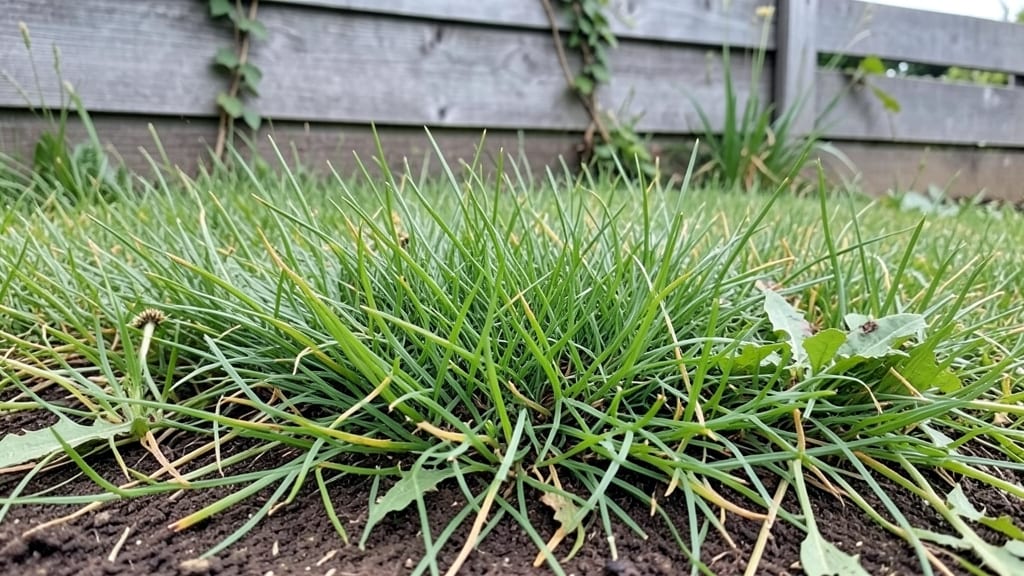
Putting grass clippings in your garden acts as a natural fertilizer by returning nitrogen and organic matter to the soil, reducing fertilizer costs while promoting healthier plant growth when applied in thin layers. Avoid thick piles to prevent smothering plants or attracting pests.
Grass clippings are packed with nutrients that give your soil a nutrient boost without breaking the bank. When you spread them thinly, they break down quickly, adding nitrogen and organic material that improves soil structure and water retention.
This process mimics natural decomposition, creating a healthier ecosystem for your plants. 🌱 The key is to keep the layer under ¼-inch thick—any thicker, and you risk suffocating roots or creating thatch buildup, which can actually harm your lawn over time.
Unlike synthetic fertilizers, grass clippings release nutrients slowly, feeding your plants over time rather than causing a quick but short-lived spike. This makes them ideal for organic gardening enthusiasts or anyone looking to cut down on chemical inputs.
Just remember to mow when the grass is dry—wet clippings can clump and create mats that block sunlight from reaching the soil.
💡 In This Article
- How Grass Clippings Improve Soil Health
- Best Practices for Using Grass Clippings in Gardens
How grass clippings improve soil health
Grass clippings act like a slow-release fertilizer because they're rich in nitrogen—about 2-4% by dry weight, comparable to a light application of synthetic nitrogen fertilizer. When clippings decompose, soil microbes break them down into simpler compounds, releasing nitrogen in forms plants can absorb, like nitrate (NO₃⁻) and ammonium (NH₄⁺).
This process mirrors how natural ecosystems recycle nutrients, creating a closed-loop system where grass waste becomes plant food.
The real magic happens when clippings mix with soil to form humus—a dark, spongy material that improves soil structure. Humus increases soil's ability to hold moisture (up to 20% more water retention compared to bare soil) while also enhancing aeration through its fibrous texture.
Think of it like adding tiny water reservoirs and air pockets to dense clay or sandy soil. 🌱 The decomposition also stimulates beneficial microbes, which compete with harmful pathogens, creating a more resilient soil ecosystem.
Compared to synthetic fertilizers, grass clippings provide a more balanced nutrient profile. While they contain less phosphorus and potassium than commercial 10-10-10 blends, their organic matter content improves soil health long-term by enhancing microbial activity and root growth.
For example, a ½-inch layer of clippings delivers roughly 0.5 pounds of nitrogen per 100 square feet—enough to support moderate plant growth without the risk of nutrient runoff that often occurs with chemical fertilizers.
One often-overlooked benefit is how clippings regulate soil temperature. The organic layer acts as insulation, keeping roots cooler in summer and warmer in winter. This is particularly valuable for shallow-rooted plants like lettuce or strawberries, which can suffer from temperature extremes.
The mulching effect also reduces evaporation, meaning your plants need 20-30% less watering during dry spells.
However, the benefits only materialize when clippings decompose properly. Fresh clippings contain 80-90% moisture, so they need to dry slightly before application to prevent matting. When properly incorporated, they break down in 2-4 weeks, depending on temperature and soil conditions.
In hot climates, this process accelerates, while cooler weather slows decomposition—making timing crucial for optimal results.
For gardeners using synthetic fertilizers, switching to clippings can reduce chemical inputs by 30-50% while improving soil tilth. The key difference is that clippings feed soil biology rather than just delivering quick nutrients.
This biological boost explains why plants grown in clipping-amended soil often show better resistance to pests and diseases—healthy soil equals healthy plants.