
Vegetables
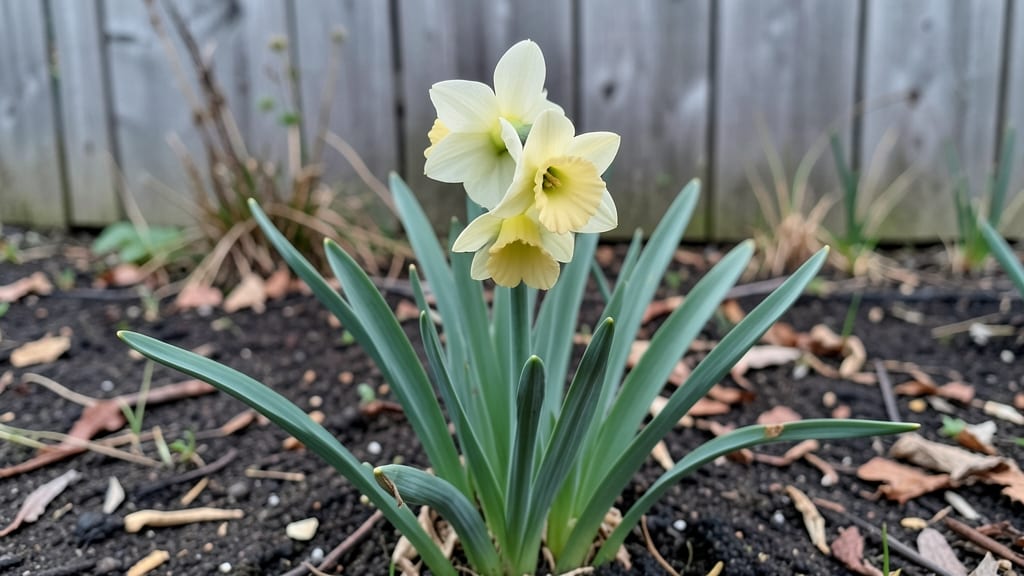
Designing gardens with daffodils transforms even the dullest corner into a sunlit celebration every spring. 🌱 I learned this the hard way—my first attempt at a "spring border" looked like a random mess until I grouped them by height and color.
The right placement turns those cheerful trumpets into the stars of your outdoor space.
Start with bold drifts of early bloomers like 'Tête-à-Tête' or 'Ice Follies' to create instant impact. Pair them with evergreen shrubs or ornamental grasses for structure, and add late-blooming bulbs like alliums for summer interest.
The key is layering: tall daffodils at the back, medium varieties in the middle, and low-growing types along pathways.
You'll end up with a garden that feels alive from winter's last frost until summer's fade. The golden blooms contrast beautifully with deep purples, rich greens, and even dark reds, creating a palette that works year-round. Plus, daffodils' hardy nature means less maintenance and more enjoyment.
This approach works for small city patios or sprawling backyard landscapes. Whether you're working with a sunny border or a shady woodland edge, daffodils adapt while keeping their signature cheer. Let's make your garden shine with these reliable stars!
📚 In This Guide
- What you need
- Instructions
- Tips and common mistakes
- Wrapping up and next steps
What you need
- ● Daffodil bulbs: Choose Narcissus varieties (e.g., ‘Tête-à-Tête,’ ‘Ice Follies,’ or ‘Thalia’). Buy 10–20 bulbs per square foot for a lush look.
- ● Well-draining soil: Amend heavy clay with compost (2–3 inches) or sand to improve drainage.
- ● Organic fertilizer: A balanced 10-10-10 or bulb-specific fertilizer (follow package rates).
- ● Mulch: 2–3 inches of shredded bark or straw to retain moisture and suppress weeds.
- ● Hand trowel or bulb planter
- ● Garden fork (for loosening soil)
- ● Measuring tape or ruler (for spacing)
- ○ Gloves (optional but recommended!)
- ● Watering can or hose with a gentle spray nozzle
- ● Pest deterrents: Diatomaceous earth or copper tape (to keep squirrels away!).
- ● Edging tools: For clean borders around bulb beds.
- ● Decorative stones or gravel: To add texture and contrast.
- ● Slow-release fertilizer spikes: For low-maintenance nutrition.
Step-by-Step guide to designing a stunning daffodil garden
Here's how to create a vibrant, low-maintenance daffodil display that blooms early and keeps your garden lively year-round.
🌱 Step 1: Choose Your Planting Location
Daffodils thrive in full sun to partial shade, with at least 6 hours of sunlight daily. I always pick a spot that gets morning sun and afternoon shade—this prevents the bulbs from overheating while ensuring strong blooms. Avoid low-lying areas where cold air settles, as daffodils are hardy but can suffer in prolonged frost pockets.
Test your site by observing how sunlight moves across it throughout the day. Mark the edges of the sunniest area with stakes or spray paint. Daffodils perform best in well-draining soil, so if your garden has heavy clay, amend it with 2-3 inches of compost mixed into the top 6 inches of soil before planting.
🪴 Step 2: Plan Your Layout for Season-Long Interest
Design your garden in layers to create visual depth and extend the blooming season. Start with tall daffodils (18-24 inches) at the back, then add medium varieties (12-18 inches) in the middle, and finish with smaller types (6-12 inches) in the front. I like to group 5-7 bulbs of the same variety together for a bold, natural look—this mimics how they grow in meadows.
For year-round appeal, interplant daffodils with spring-blooming perennials like hellebores or lungwort, which thrive in the same shade once the daffodils fade. Add ornamental grasses or early-blooming bulbs like crocuses for texture and contrast. Sketch your design on paper first—it’s easier to visualize spacing and color combinations that way.
☀️ Step 3: Plant Bulbs at the Right Depth and Spacing
Plant daffodil bulbs in fall, 6-8 weeks before the ground freezes, when soil temperatures drop to 50-60°F. Dig holes 3 times deeper than the bulb’s height—a standard daffodil bulb needs a hole 6-8 inches deep. Space bulbs 4-6 inches apart in rows, or 6-8 inches apart in drifts for a natural look. I always plant them with the pointy end up (yes, it matters!), as this ensures proper root and stem growth.
Cover the bulbs with soil and water deeply to settle it around the roots. Add a 1-inch layer of mulch (like shredded bark or straw) to protect them from winter temperature swings. Avoid heavy mulch, which can rot the bulbs—just enough to insulate without suffocating.
💧 Step 4: Care for Daffodils Through the Seasons
After blooming, let the foliage die back naturally—do not cut it until it turns yellow and wilts on its own. This ensures the bulb stores energy for next year’s flowers. Water daffodils deeply once a week during their active growing season (spring through early summer), but reduce watering once the leaves yellow. Overwatering in late summer can cause bulb rot.
Fertilize lightly in early spring with a balanced, slow-release bulb fertilizer (like 10-10-10) applied at half strength. I scatter granules around the base of the plants and water them in. Avoid high-nitrogen fertilizers, which encourage leafy growth at the expense of blooms. Deadhead spent flowers to keep the garden tidy, but leave the foliage until it fully yellows.
✂️ Step 5: Divide and Multiply for Long-Term Growth
Daffodils multiply over time, so divide crowded clumps every 3-5 years in early fall to maintain vigor. Dig up bulbs when the foliage has died back completely, then separate the clusters, discarding any soft or mushy bulbs. Replant the healthiest ones immediately in the same spot or share them with fellow gardeners—daffodils make wonderful gifts!
To encourage more blooms, I always plant new bulbs in groups of 3 or more—this triggers their natural clumping habit. If you notice fewer flowers over time, it might be time to divide and refresh the planting. Daffodils are tough, so don’t stress if a few bulbs don’t bloom every year—they’ll bounce back with proper care.
Tips & tricks for perfect daffodil garden design
A few simple strategies will help you create a daffodil display that not only blooms beautifully but thrives for years to come.
Sunlight Strategy: The 6 hours of daily sunlight mentioned in Step 1 is non-negotiable for healthy blooms, but here's what I've learned: morning sun with afternoon shade creates the perfect balance. If your garden only gets full sun, consider planting taller varieties toward the north side of the bed to protect them from afternoon heat. I've found that daffodils in full sun all day may need extra watering during dry spells to compensate.
Soil Prep Secret: When amending heavy clay soil with 2-3 inches of compost, don't just mix it in superficially. Dig down to the full 6 inches mentioned and thoroughly incorporate the compost. This creates a proper root zone where daffodils can establish themselves. I like to add a handful of perlite to improve drainage if my soil feels particularly dense—it makes all the difference for bulb longevity.
Planting Depth Visual: That 6-8 inch depth for standard bulbs might seem deep, but here's how I remember it: imagine a ruler next to your bulb. The top of the bulb should be about 2 inches below the soil surface. For larger bulbs, you can go slightly deeper (up to 8 inches), but never plant them too shallow—they'll flop over when they bloom. I always test depth with my finger to ensure consistency across the garden.
Seasonal Care Timing: The early spring fertilization timing is crucial, but don't wait until the daffodils are already blooming. Apply fertilizer as soon as you see the first green shoots pushing through the soil. This gives the bulbs the energy boost they need for strong stems and abundant flowers. I set a reminder for February 15th in my gardening journal to ensure I never miss this window.
Pro Tips for Gardens With Daffodils
- A few simple strategies will help you create a daffodil display that not only blooms beautifully but thrives for years to come.
- Sunlight Strategy: The 6 hours of daily sunlight mentioned in Step 1 is non-negotiable for healthy blooms, but here's what I've learned: morning sun with afternoon shade creates the perfect balance.
- Soil Prep Secret: When amending heavy clay soil with 2-3 inches of compost, don't just mix it in superficially.
Frequently asked questions
Got questions about designing your garden with daffodils? You’re not alone! Here are some of the most common queries—and their answers—to help you create a stunning, low-maintenance space that blooms year after year.
When is the best time to plant daffodils for spring blooms?
Plant daffodil bulbs in fall—typically between October and December, depending on your climate. This gives them time to establish roots before winter. For most regions, aim for 6 weeks before the first hard frost for vibrant spring color. Pro tip: Plant in well-draining soil and avoid overwatering after planting to prevent rot.
Can daffodils grow in shaded areas, or do they need full sun?
Daffodils thrive in full sun (6+ hours/day), but they can tolerate partial shade (4–6 hours). In shady spots, expect fewer blooms but still cheerful foliage. For best results, pair them with tolerant perennials like hellebores or ferns. Test your spot: If grass grows well there, daffodils likely will too!
Are daffodils deer-resistant? What about squirrels?
Yes! Daffodils contain lycorine, a toxin that deters deer, rabbits, and even squirrels. While no plant is 100% foolproof, daffodils are one of the safest choices for problem areas. For extra protection, plant bulbs in containers or group them tightly—animals are less likely to dig through dense clusters.
How do I keep daffodils blooming year after year?
Healthy daffodils = consistent care! After blooms fade, leave foliage until it yellows (6–8 weeks) to feed the bulb. Fertilize lightly in early fall with bulb-specific food, and divide overcrowded clumps every 3–5 years. Mulch in winter to protect bulbs from freezing/thaw cycles.
What are some great companion plants for daffodils?
Daffodils pair beautifully with spring ephemerals (like crocuses or bleeding hearts) and late-blooming perennials (e.g., peonies or daylilies). For height contrast, try ferns or ornamental grasses. Avoid planting with tulips—they compete for nutrients and attract the same pests. Aim for a layered look: tall, medium, and ground-cover plants for depth!
Why aren’t my daffodils blooming this year?
No blooms? Check these common culprits:
- Too much shade (they need light for flowering).
- Overwatering (bulbs rot if soggy).
- Improper planting depth (6” deep for most varieties).
- No fall fertilizer (bulbs need nutrients to bloom).
Give them one more season—some varieties take 2–3 years to mature. If bulbs are mushy when dug up, they’re diseased; replace them!
Wrapping up and next steps
Transforming your garden with daffodils is a joyful way to invite early spring cheer and year-round beauty! Whether you’re planting bold drifts, mixing them with perennials, or creating a low-maintenance border, these cheerful blooms deliver effortless elegance. 🌸
Ready to take the next step? Start small—pick a sunny spot, grab a few bulbs, and let nature do the rest. Your garden will thank you with vibrant color for seasons to come!
Pro tip: Snap a photo of your first daffodil bloom and track your garden’s progress—it’s the perfect way to stay inspired! 📸