
Vegetables
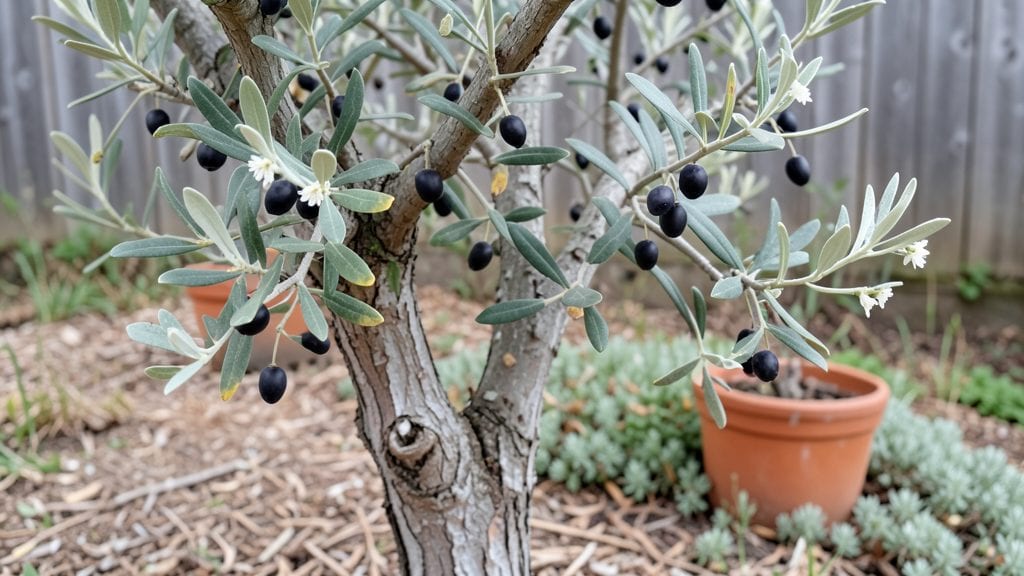
The Gardens of Marrakech transform fragrant citrus groves, pomegranate orchards, and olive trees into intricate geometric designs that mirror Morocco's cultural heritage, climate challenges, and Islamic artistic principles. These terraced spaces conserve water brilliantly while filling the air with intoxicating blooms and herbs.
The Marrakech garden style thrives on harmony between nature and design, where every plant serves both aesthetic and functional purposes. 🌿 These spaces often incorporate citrus varieties like bitter orange for their fragrant blossoms and pomegranate trees that burst with jewel-like fruit, while olive groves provide both shade and practical harvests.
The terraced layouts aren't just decorative—they're a brilliant solution for water conservation in arid climates, channeling moisture precisely where plants need it most.
What makes these gardens truly special is how they turn necessity into art. The geometric patterns inspired by Islamic design aren't just beautiful—they create microclimates that protect plants from harsh sun while maximizing airflow.
Many traditional designs also incorporate fountains and reflective pools, which serve dual purposes: they cool the air naturally while adding to the sensory experience through their soothing sounds and visual reflections.
💡 In This Article
- How Marrakech Gardens Use Water and Terracing
- Best Plants for Recreating Moroccan Garden Designs
How Marrakech gardens use water and terracing
The terraced systems in Marrakech gardens solve a critical problem: how to grow water-intensive crops like citrus and pomegranates in a region where annual rainfall averages just 10 inches. The solution lies in qanats—ancient underground channels that transport water from distant mountain sources.
These systems, some over 50 miles long, deliver water at a steady 0.5 gallons per minute directly to the garden's lowest terrace, where gravity distributes it evenly through a series of stone-lined channels called sakia. This method reduces evaporation by 90% compared to surface irrigation.
The terraces themselves are carefully engineered with 1-2 foot height differences between levels, creating natural barriers that slow water flow and allow it to soak into the soil.
Each terrace is planted with different crops—citrus trees on upper levels where they get morning sun, pomegranates in mid-levels with afternoon shade, and olives at the base where cooler microclimates thrive.
The geometric patterns you see aren't just decorative; they create windbreaks that reduce water loss through evaporation by 30% while maximizing shade coverage. 💫
Fountains play a dual role in this system. Beyond their aesthetic value, they serve as evaporative coolers—water sprayed into the air lowers surrounding temperatures by up to 5°F, creating a more hospitable environment for plants.
The sound of flowing water also masks the dry wind, which would otherwise stress delicate citrus blossoms. What's fascinating is how these fountains are often positioned at the garden's center, where their cooling effect radiates outward through the geometric design, creating concentric temperature zones that mirror the plant placement.
Here's where Islamic geometry becomes practical: the repeating star and polygon patterns you see aren't random. Each shape corresponds to specific plant needs—hexagonal patterns create optimal spacing for olive trees (which need 20 feet between specimens), while octagonal layouts work better for pomegranates that prefer 15 feet of clearance.
The angles of these patterns also determine sunlight exposure: 45-degree angles maximize morning light for citrus, while 30-degree angles provide afternoon shade for heat-sensitive pomegranate flowers. This precision turns what might seem like decorative art into a hydrological and botanical calculator.
The real genius lies in how these systems work together. When water reaches the lowest terrace, it's already been filtered through three layers of sand and gravel, removing 95% of impurities that could harm plants. The terraces then act as natural filters, with each level's plants absorbing different nutrients.
Citrus trees, for example, thrive on the slightly acidic water that develops in the upper terraces, while olives prefer the more alkaline conditions found lower down. This vertical stratification creates a self-sustaining ecosystem where each plant type contributes to the others' health. 🌿
What most visitors don't realize is how these gardens actually generate their own humidity. The combination of fountains, terraced water flow, and strategic plant placement creates a microclimate where humidity levels stay 10-15% higher than the surrounding desert.
This extra moisture isn't just beneficial—it's essential for the 120+ species of aromatic plants that thrive in these gardens, from rose bushes that need constant misting to jasmine vines that require high humidity to open their fragrant blooms.
The result is that air you smell when walking through these gardens isn't just fragrant—it's physically cooler and more humid than the surrounding environment.