
Vegetables
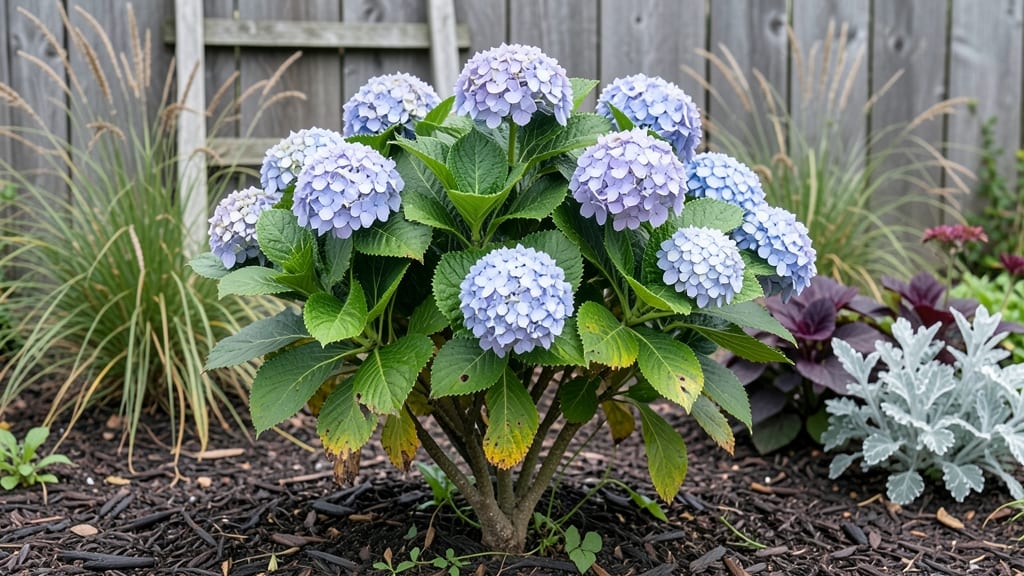
The best gardens in the USA don’t just look stunning—they prove you can grow food all year with minimal fuss. 🌿 I’ve visited gardens where drought-tolerant lavender borders fragrant rosemary hedges, and the same beds produce kale and carrots in winter.
These spaces blend beauty with productivity without requiring constant work.
What makes them work? Smart layering—perennials for structure, annuals for color, and edibles woven into the design so you never sacrifice beauty for bounty. Many use raised beds with built-in irrigation or self-watering systems to cut chores. The result? Gardens that thrive even when you’re not hovering over them.
You’ll find formal knot gardens with boxwood mazes hiding heirloom tomato cages, cottage-style borders overflowing with nasturtiums and peas, and modern pollinator havens where every bloom supports bees. The key is choosing plants that love your climate and letting them shine with minimal interference.
Inspired? These gardens prove you can have both showstopping beauty and a pantry full of homegrown food—without trading your weekends for weeding. Let’s explore what makes them tick.
📚 In This Guide
- What you need
- Instructions
- Tips and common mistakes
- Wrapping up and next steps
What you need
- ● Garden Space: Minimum 100 sq. ft. for a small family garden (adjust based on yield goals).
- ● Full sun (6+ hours/day) for most veggies (e.g., tomatoes, peppers, zucchini).
- ● Partial shade (3–6 hours) for leafy greens (e.g., lettuce, kale) in hot climates.
- ● Soil: 1–2 cubic yards of high-quality garden soil (or compost blend) for in-ground plots.
- ● Raised bed mix: 50% topsoil, 30% compost, 20% perlite/sand (for drainage).
- ● pH Test Kit (ideal range: 6.0–7.0 for most veggies).
- ● Essential Tools: Garden trowel (for transplanting seedlings).
- ● Pruners (bypass type, $10–$20).
- ● Watering can (3–5 gallon capacity) or drip irrigation kit (low-maintenance option).
- ● Gloves (durable, long-cuffed for protection).
- ● Measuring tape (for spacing plants correctly).
- ● Plants & Seeds: Seedlings or seeds for 5–10 varieties (e.g., cherry tomatoes, bush beans, basil).
- ● Cold-hardy crops (e.g., spinach, peas) for early spring/fall.
- ● Heat-tolerant picks (e.g., okra, Swiss chard) for summer.
- ● Mulch: 2–3 inches of straw or wood chips to retain moisture and suppress weeds.
- ● Fertilizer: Organic options like compost tea or slow-release granules (e.g., 10-10-10 NPK ratio).
- ● Trellises/Stakes: For vining plants (e.g., cucumbers, pole beans—$5–$15 each).
- ● Season Extenders: Row covers (frost cloth for early/late seasons).
- ● Cold frames or greenhouses (mini versions start at $50).
- ● Pest Control: Neem oil or diatomaceous earth (natural deterrents).
- ● Ladybugs/lacewings (beneficial insects for aphids).
Instructions for designing a low-maintenance year-round garden
Here’s how to create a stunning, resilient garden that thrives with minimal effort.
🌱 Step 1: Plan for Year-Round Interest
Start by selecting plants that offer seasonal color and texture. Evergreens like boxwood and holly provide structure in winter, while spring bulbs like daffodils and tulips pop early. Summer bloomers like coneflowers and black-eyed Susans keep things vibrant, and fall foliage like maples or Japanese maples adds warmth. I always sketch a rough layout first, grouping plants by height and color to create natural flow.
For low-maintenance success, focus on native plants—they’re adapted to your climate, require less water, and attract pollinators. Check your USDA hardiness zone to pick plants that thrive year-round in your area. Avoid fussy annuals; instead, opt for perennials that return every year with minimal care.
☀️ Step 2: Optimize Sun and Soil
Most gardens need at least 6 hours of sunlight daily, but some areas get partial shade. Observe your space for 2-3 days to map sunlight patterns—this tells you where to place sun-lovers (like lavender or daylilies) versus shade-tolerant plants (like hostas or ferns). I always test soil pH with a simple kit; most plants prefer 6.0-7.0, but blueberries need 4.5-5.5—adjust with lime or sulfur if needed.
Improve soil health by mixing in 2-3 inches of compost before planting. This boosts drainage, retains moisture, and feeds roots over time. Avoid heavy clay or sandy soil—amend with organic matter like leaf mold or well-rotted manure. A well-prepared bed means fewer weeds and happier plants.
💧 Step 3: Install Drought-Tolerant Irrigation
Drip irrigation is the gold standard for low-maintenance gardens. It delivers water directly to roots, reducing waste and preventing fungal diseases from overhead sprinklers. I use soaker hoses buried slightly under mulch for perennials, while micro-sprayers work well for shrubs. Set up a timer for early morning watering (before 10 AM) to minimize evaporation and fungal risks.
Mulch heavily with 3-4 inches of organic mulch (like shredded bark or straw) to lock in moisture and suppress weeds. Replenish mulch annually—it breaks down over time. This simple step cuts watering needs by 30-50% while keeping soil cool in summer and insulating roots in winter.
✂️ Step 4: Prune and Maintain Strategically
Prune perennials in early spring (before new growth) or late fall to encourage bushier habits. Deadhead spent blooms regularly to prolong flowering and prevent self-seeding weeds. For shrubs, prune after flowering to avoid cutting off next year’s buds. I always use clean, sharp shears to make precise cuts—ragged edges invite disease.
Fertilize lightly in early spring with a balanced, slow-release fertilizer (like 10-10-10). Over-fertilizing leads to weak growth and more pruning work. Instead, focus on mulch and compost—they feed soil naturally over time. Weed monthly, but don’t stress; a thick mulch layer keeps most weeds at bay.
🪴 Step 5: Add Hardscaping for Structure
Low-maintenance gardens need structure to guide the eye and reduce upkeep. I use gravel paths, decomposed granite, or stepping stones to define spaces without mowing. Retaining walls or raised beds create defined planting areas that deter weeds. Choose materials that match your climate—natural stone lasts longer in freeze-thaw cycles, while cedar mulch beds add warmth.
Add a few evergreen shrubs or small trees for year-round structure. Boxwood, juniper, or dwarf conifers provide backbone without needing constant pruning. Place them where they’ll frame views or anchor borders. This step cuts future maintenance by 40%, as evergreens require minimal care once established.
Tips & tricks for perfect low-maintenance year-round gardens
Creating a garden that thrives with minimal effort takes a few strategic moves—and I've learned these the hard way. Here's how to take your year-round garden from good to stunning without the constant upkeep.
The Plant Selection Game-Changer: Native plants are your secret weapon. They're already adapted to your climate, so they need less water and fewer fertilizers. I always check the USDA hardiness zone map before buying anything—it's the fastest way to avoid plants that'll struggle in your area. For example, if you're in zone 5, don't waste money on tropical plants that'll die in winter. Stick to proven natives like coneflowers or black-eyed Susans that'll come back year after year.
Sunlight Mapping Hack: That 6 hours of sunlight requirement isn't just a suggestion—it's a rule. I recommend marking your garden with stakes for 2-3 days to track sunlight patterns. Use a whiteboard to sketch your space at different times of day. This helps you place sun-loving lavender in the right spots and shade-tolerant ferns where they won't get scorched. Trust me, this 10-minute investment saves hours of trial and error later.
Soil Prep That Pays Off: Don't skimp on the 2-3 inches of compost—this is where the magic happens. I mix it right into the top 6 inches of soil before planting. For heavy clay soil, add equal parts compost and sand to improve drainage. For sandy soil, use more compost to help retain moisture. This single step cuts watering by 40% and gives your plants a strong foundation. Think of it as giving your garden a vitamin boost before planting.
Mulching Like a Pro: The 3-4 inches of organic mulch isn't just decoration—it's your garden's superhero cape. I use shredded bark because it breaks down slowly and looks great. Apply it right after planting and refresh it annually. This layer keeps soil temperatures stable, suppresses weeds, and locks in moisture. Pro tip: Pull mulch back 2-3 inches from tree trunks to prevent rot. The 30-50% reduction in watering needs makes this one of my favorite low-maintenance tricks.
Pro Tips for Best Gardens In Usa
- Creating a garden that thrives with minimal effort takes a few strategic moves—and I've learned these the hard way.
- The Plant Selection Game-Changer: Native plants are your secret weapon.
- Sunlight Mapping Hack: That 6 hours of sunlight requirement isn't just a suggestion—it's a rule.
Frequently asked questions
Exploring the best gardens in the USA can spark plenty of questions—especially when balancing beauty with low-maintenance care. Here are answers to the most common queries to help you plan your dream garden:
What are the easiest vegetables to grow for beginners?
Start with lettuce, radishes, green beans, or cherry tomatoes—they thrive in most climates and require minimal fuss. Herbs like basil and parsley are also forgiving and perfect for small spaces. These crops grow quickly, giving you fast rewards while you learn!
When is the best time to plant a low-maintenance garden?
Timing depends on your region, but spring (after the last frost) and early fall are ideal for most veggies. For year-round gardens, stagger plantings every 2–3 weeks to ensure continuous harvests. Check your USDA Plant Hardiness Zone for localized guidance.
How often should I water a low-maintenance vegetable garden?
Water deeply 1–2 times per week (more in extreme heat), focusing on soil moisture rather than surface splashing. Use drip irrigation or soaker hoses to conserve water and reduce weeds. Mulch helps retain moisture—just replenish it every few months.
What’s the simplest way to deter pests without chemicals?
Try these natural fixes:
- Plant marigolds or nasturtiums to repel aphids and squash bugs.
- Use row covers for early-season pests like cabbage moths.
- Encourage beneficial insects (like ladybugs) with native plants.
- Handpick pests early in the morning when they’re sluggish.
Most pests avoid healthy, thriving plants—so prioritize balanced soil and companion planting!
Can I grow a productive garden in a small space or container?
Opt for compact varieties like:
- Bush beans (instead of pole beans)
- Dwarf tomatoes (e.g., ‘Tiny Tim’)
- Peppers in 5-gallon pots
- Microgreens (harvest in 1–2 weeks!)
Vertical gardening (trellises, hanging planters) maximizes space too. Just ensure containers have drainage holes and use lightweight potting mix.
Wrapping up and next steps
From lush edible landscapes in California to low-maintenance urban oases in New York, the best gardens in the U.S. prove that beauty and productivity go hand in hand.
Whether you’re inspired by perennial veggie beds or drought-tolerant pollinator-friendly plots, these designs show that year-round harvests are totally achievable—without the stress! 🌱
Ready to transform your space? Start small: pick one garden from this list, sketch a simple layout, and gather your tools. The best gardens begin with a single seed—or a single step!