Container Gardens
Butchart Gardens history traces back to 1904 when Robert P. and Jennie Butchart transformed a limestone quarry into a stunning botanical display, evolving into Canada’s most iconic floral destination through visionary landscaping and conservation efforts. Originally a private retreat, it opened to the public in 1905 and expanded with global plant collections, becoming a symbol of horticultural innovation and environmental stewardship.
This visionary project began as a way for the Butcharts to create a personal sanctuary, blending their love for horticulture with the rugged beauty of the quarry's terraced walls. 🌿 What makes their story remarkable is how they turned industrial waste into a breathtaking landscape, using European-inspired techniques like sunken gardens and cascading waterfalls.
Today, the gardens showcase over 1,000 plant species, including rare varieties that draw visitors from around the world.
Their early focus on conservation—like protecting native plants and restoring habitats—set a precedent that still influences modern botanical tourism. Many visitors today are drawn not just to the stunning displays but to the gardens' role in preserving Canada's natural heritage.
The Butcharts' legacy proves that creativity and environmental responsibility can create something truly extraordinary.
💡 In This Article
- How Butchart Gardens Transformed a Quarry into a Global Horticultural Landmark
- Butchart Gardens’ Legacy in Conservation and Modern Botanical Tourism
How butchart gardens transformed a quarry into a global horticultural landmark
The Butcharts' vision began with a 100-foot-deep limestone quarry that they purchased in 1904. Instead of abandoning the industrial site, they saw potential in its dramatic vertical walls and natural drainage. The key engineering challenge was stabilizing the steep terraces—originally formed by quarrying—to prevent erosion and create stable planting surfaces.
They used a technique called retaining wall construction with locally sourced stone, building up the terraces in a cascading effect that mimicked natural landscapes.
European-inspired designs played a crucial role in shaping the gardens' layout. The Butcharts studied English cottage gardens and formal French parterres, adapting these styles to the rugged Canadian climate. One standout feature is the Sunken Garden, created in 1909 using the quarry's natural depressions.
This 1.5-acre sunken area required precise excavation and water management—engineers installed a complex system of underground drains to prevent waterlogging while creating the illusion of a naturally occurring bowl. The garden's centerpiece, a 100-foot-long fountain, was designed to channel water through terraces, adding both aesthetic appeal and practical irrigation.
The introduction of rare plant species was another defining feature. In the early 1900s, the Butcharts traveled extensively to Europe and Asia, importing over 50,000 plants in their first decade alone.
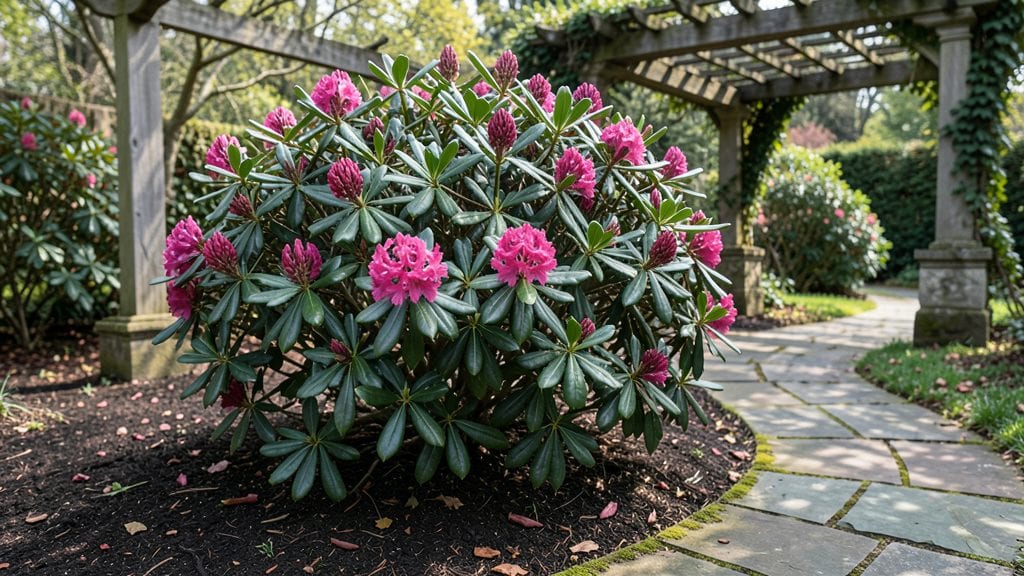
They focused on species that thrived in Victoria's mild maritime climate, like Japanese maples and Rhododendrons, which became signature plants in the gardens.
The Rose Garden, planted in 1916, featured 1,500 rose bushes of 300 varieties—an ambitious collection for the time that required specialized soil amendments and irrigation techniques to maintain.
What makes this transformation remarkable is how the Butcharts integrated industrial heritage with natural beauty. The original quarry's limestone walls, once used for construction, became the gardens' structural backbone. They repurposed the quarry's water pumps to create fountains and added stone bridges to connect the terraces.
This fusion of engineering and artistry created a landscape that was both functional and breathtaking—a concept that would later influence modern sustainable design practices.
The gardens' expansion in the 1920s and 1930s introduced new elements like the Italian Garden and Japanese Garden, each requiring specialized construction techniques.
The Italian Garden's terracotta pots and statues were carefully positioned to complement the natural stone, while the Japanese Garden incorporated bamboo fencing and stone lanterns to create a serene atmosphere. These additions demonstrated how the Butcharts could adapt global horticultural trends to their unique Canadian setting.
Today, visitors can still see the original quarry's limestone walls in the Sunken Garden, now covered in vibrant flowers and lush greenery. The engineering solutions developed over a century ago—like the drainage systems and retaining walls—remain functional, proving the durability of their design.
This blend of innovation and preservation is what makes Butchart Gardens a living testament to how human creativity can transform industrial spaces into enduring works of art.